Trump administration faces pushback after looking to privatize land on Yosemite National Park

Daftar Isi
Yosemite Land-Swap Proposal Sparks Outcry Over Private Development on Federal Ground
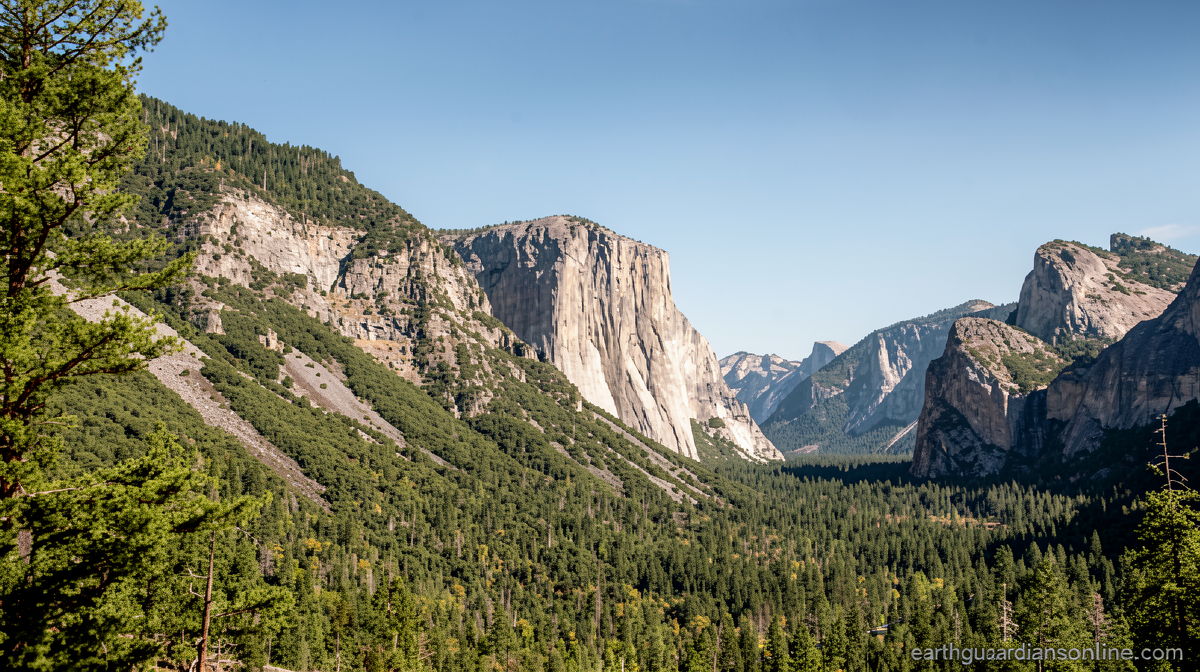
Earthguardiansonline.com – A proposal under review by the National Park Service would open a narrow corridor of federally protected terrain to a Nevada-based real estate firm seeking to build a private access road into an 83-acre parcel adjacent to Yosemite National Park. The plan, which would let the developer construct a compact village of residences and retail space on the plot, has drawn sharp criticism from elected officials, labor unions, conservation groups, and outdoor enthusiasts who view the national park system as inviolable public trust land.
The Mechanics of the Proposed Exchange
The arrangement being weighed is structured as a land swap between the Park Service and Kingsbarn Realty Capital, a firm whose attorney, Lanny Davis, confirmed the basic outline to reporters. Under the scheme, the developer would receive a strip of parkland sufficient to route a shorter driveway to its parcel, while the federal government would retain ownership of the broader landscape. Davis explained that the existing route to the property requires a 25-mile drive along public roads, and the company’s goal is to cut that distance dramatically by threading a new road through what is currently designated park territory.
Kingsbarn later clarified in a written statement that even with the proposed shortcut, residents of the planned development would still face roughly a 45-minute drive to reach the Yosemite Valley floor. The company stressed that the project would remain a modest, low-density community rather than a sprawling resort.
Why a Swap Rather Than a Simple Transfer
The exchange structure is not incidental. In a budget submission to Congress for the current fiscal year, the Park Service acknowledged that it lacks the statutory authority to simply hand over a parcel of federal land to a private party. The swap mechanism sidesteps that limitation by framing the transaction as a reciprocal transfer, a legal pathway that still triggers full environmental review and public-comment obligations under federal law.
The Department of Interior, which oversees the Park Service, issued a statement insisting that no political pressure has been applied to steer the outcome and that no final decisions have been made. A spokesperson added:
“Any land exchange or access proposal involving National Park Service lands would be subject to all applicable federal laws, regulations and Departmental policies, including required environmental review and public notification processes.”
Union and Local Backlash
The Yosemite Leadership of National Federation of Federal Employees Local 465, the union representing park employees at the site, posted on Instagram that it was “appalled” by the proposal. The local chapter argued that surrendering public land to private interests runs counter to the mission of every NPS employee.
“As stewards of Yosemite, the ceding of public lands for private interests is antithetical to what we stand for as employees of the National Park Service,” the union wrote, adding that it was “incredibly concerned about the implications of this private development for the working conditions of an already overwhelmed staff.”
County officials in Mariposa and Tuolumne, the two California counties that partially encompass the park, told reporters they had received no advance notice from either the Park Service or Kingsbarn. Both said they first learned of the proposal on Friday, underscoring a perception among local leaders that the process bypassed customary channels of intergovernmental communication.
A Pattern of Federal Land Reshaping
The Yosemite proposal fits a wider administrative agenda. Earlier in the term, the White House moved to shrink the footprint of federally protected acreage in Utah and to permit portions of Big Bend National Park in Texas to be repurposed for border-security infrastructure. Separately, presidential directives have ordered the removal of certain interpretive signage, the rollback of species protections, and the reassignment of park staff — measures that have placed additional strain on ranger workforces already stretched thin.
Critics argue that each individual action, viewed in isolation, may appear manageable, but collectively they signal a fundamental reorientation of how the federal government treats its most iconic public lands.
Financial Ties and Prior Litigation
Campaign-finance records show that Jeff Pori, chief executive of Kingsbarn, made several donations to the joint fundraising committee supporting President Donald Trump’s 2024 presidential campaign. Kingsbarn, through Davis, said it had not discussed the proposal with the White House.
“While it’s true that the National Park Service is part of the executive branch of the federal government and is an agency within the U.S. Department of the Interior, Kingsbarn has had not had any communication or contact with the White House on this proposed plan,” the company stated.
The parcel, known locally as “Hazel Green Ranch,” was acquired by Kingsbarn in February 2024 from a previous private owner. That earlier owner had attempted to construct a comparable shortcut through parkland in the late 2000s; a federal court blocked the project in 2012, setting a precedent that the current proposal would effectively circumvent by routing the road through a federally controlled corridor rather than through private easements.
Political and Public Reaction
Democratic lawmakers, national-park advocacy organizations, and the climbing community responded quickly. California Governor Gavin Newsom, a Democrat, posted on X that the administration’s approach to public lands represented a systematic assault on the country’s natural heritage.
“Trump is hellbent on destroying everything that is sacred and beautiful about this country. California won’t stand by while he grifts our public lands.”
Rock climber Alex Honnold, who in 2017 became the first person to free-solo Half Dome without ropes or protective gear, joined the chorus of voices urging that Yosemite’s landscape remain untouched by private development. For many visitors and residents of the Sierra Nevada region, the park’s value lies precisely in its separation from commercial infrastructure — a separation this proposal would, at minimum, narrow.
As the environmental-review clock starts and public-comment windows open, the question before Congress, the courts, and the public is whether a land swap can be engineered to achieve what a direct transfer could not: a private road, a private village, and a private driveway cutting through one of America’s most visited and most symbolically charged national parks.
Related Reading
Frequently Asked Questions
What is Trump administration faces pushback after looking?
Trump administration faces pushback after looking is the main topic of this guide. The article explains the context, practical details, and next steps readers should understand.
Why does Trump administration faces pushback after looking matter?
Trump administration faces pushback after looking matters because readers are looking for a useful answer, not just a short summary. Good content should match search intent and help them decide what to do next.