
Why US water systems are vulnerable to foreign cyberattacks
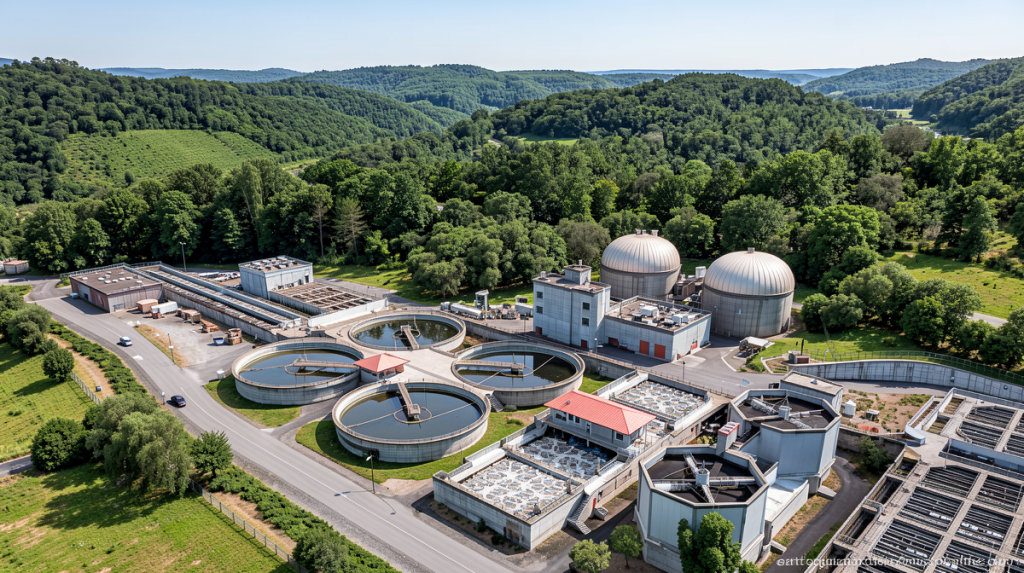
Water Infrastructure Under Siege: How Foreign Hackers Exposed America’s Hidden Vulnerabilities
Earthguardiansonline.com – A coordinated wave of cyber intrusions has struck water facilities across twelve American states, revealing decades of neglected investment in essential public services. The attacks, which unfolded during an intense summer heat wave, have left officials questioning whether foreign adversaries deliberately held back from causing maximum damage. While no drinking water contamination has been confirmed, the potential for catastrophic disruption remains palpable.
A Coordinated Assault on Critical Infrastructure
The FBI has documented that several water treatment facilities experienced pressure drops and flooding as a result of the cyber intrusions. State and local authorities confirmed that the integrity of drinking water supplies remained intact throughout the incidents. Yet the timing of the attacks—during record-breaking temperatures—has raised eyebrows among security experts.
One senior American official posed a critical question to colleagues: if the attackers had deployed their most sophisticated capabilities, could they have manipulated chemical dosing systems to endanger public health? The official’s concern centered on whether the hackers were testing the waters with limited capabilities or holding back their full arsenal. “Do we have the C team and they couldn’t do worse?” the official asked. “How bad could it be if the A team turned to the US?”
Iran has emerged as a primary suspect in these operations, though Washington has not formally attributed the attacks to Tehran. For years, American intelligence agencies have tracked the development of sabotage-capable hacking units from Russia, China, and Iran. These teams have been systematically building access to sensitive industrial networks across the United States, positioning themselves for a moment of crisis when they could inflict maximum disruption.
The Soft Underbelly of American Infrastructure
Local water and power plants that serve military installations and civilian populations alike have become prime targets for foreign adversaries. These facilities represent what security analysts call the soft underbelly of American infrastructure—critical but often overlooked assets that connect directly to the internet and operate with limited cybersecurity resources.
Caitlin Durkovich, who served as deputy homeland security adviser during the Biden administration, emphasized that the vulnerability of water utilities is no longer a secret. “It’s no secret that water utilities are under-resourced and vulnerable to cyberattacks, and it’s no secret that our adversaries know it,” Durkovich explained. “By targeting critical infrastructure, they can undermine public confidence in our leaders and impose significant costs with relatively little effort. They’ve spent years positioning themselves for exactly this kind of disruption.”
The geographic scope of the current attacks spans from South Dakota to Georgia, demonstrating that the threat is not confined to major metropolitan areas. Even modest-sized towns and counties are finding themselves at the forefront of one of the most serious cyber incidents to hit the water sector in recent memory.
Local Facilities Face Unprecedented Challenges
In Clayton County, Georgia, water authority spokesperson Erin Thomas described the organization’s first experience with a large-scale malicious cyber incident. The authority is investigating unauthorized cyber activity that may have caused a critical water pump station to fail, ultimately triggering a boil-water notice in the early morning hours of July 27. Thomas noted that the primary concern was restoring system functionality, which her team accomplished within hours.
Meanwhile, in Rapid City, South Dakota, officials announced on July 31 that a cyber incident had affected one of the city’s wastewater lift stations. Mike Theis, Rapid City’s public works director, expressed that the attack was not entirely unexpected. “We’re not surprised by it,” Theis said when asked about the possibility of being targeted by a foreign adversary during wartime. He credited the rapid response of local employees, who noticed abnormal behavior on computer systems and quickly isolated them from the internet.
Policy Responses and Legislative Action
The cyberattacks have catalyzed both federal and state-level policy responses. New York Governor Kathy Hochul announced approximately nine million dollars in grants designed to strengthen the cyber defenses of water systems throughout the state. On the federal level, Democratic Senator Adam Schiff of California plans to introduce legislation next week that would expand the Environmental Protection Agency’s authority to help boost water cyber defenses.
Beyond immediate funding and legislative measures, experts are calling attention to a persistent structural problem: too much critical infrastructure remains directly accessible from the internet. Marty Edwards, former head of the Department of Homeland Security’s Industrial Control Systems Cyber Emergency Response Team, pointed out that this vulnerability has been well-documented for decades. “For the past 20 years, experts have been telling utilities to make sure their systems were not directly accessible from the internet,” Edwards stated. “This recent set of intrusions is the result of complacency and a lack of budget prioritization.”
As investigations continue, the water sector faces mounting pressure to modernize its cybersecurity posture. The attacks have demonstrated that foreign adversaries are not only capable of disrupting daily services but are actively testing American infrastructure to understand its limits. With drinking water safety currently intact, officials are racing to ensure that the next incident does not result in a more severe outcome.
Related Reading
Frequently Asked Questions
What is Why US water systems are vulnerable?
Why US water systems are vulnerable is the main topic of this guide. The article explains the context, practical details, and next steps readers should understand.
Why does Why US water systems are vulnerable matter?
Why US water systems are vulnerable matters because readers are looking for a useful answer, not just a short summary. Good content should match search intent and help them decide what to do next.
