
Breaking down 36 disastrous hours for American soccer as World Cup bubble bursts
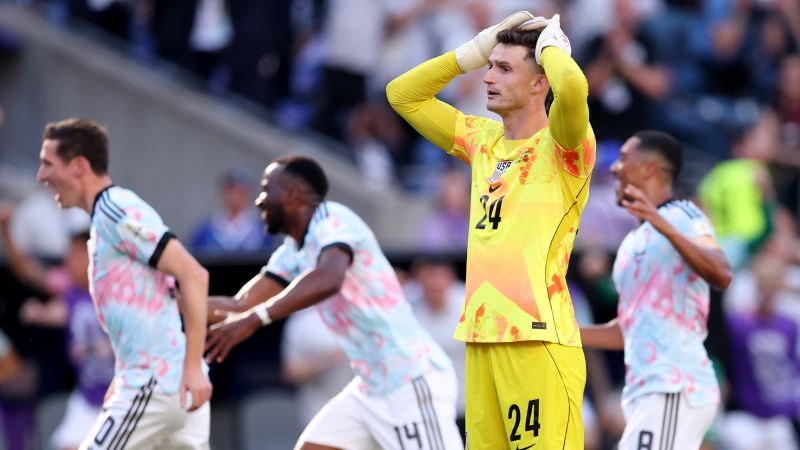
American Soccer’s 36-Hour World Cup Crisis
down 36 disastrous hours for American – During the past 36 disastrous hours for American soccer, the narrative shifted dramatically. Initially hailed as a promising chapter in the nation’s football journey, the World Cup campaign quickly spiraled into a series of missteps that tested the resilience of the team and their supporters. From the early suspension of Folarin Balogun to the US team’s 4-1 loss to Belgium, the events unfolded with a blend of confusion and criticism. The controversies surrounding the rule changes and political interventions have raised questions about the integrity of the game, leaving fans to wonder if American soccer is ready for the global stage.
The Rule Change and Political Influence
The FIFA decision to suspend Balogun’s one-game ban, based on Article 27, sparked widespread debate. This adjustment, framed as a pragmatic move to ensure the striker’s availability for the World Cup, became a focal point for scrutiny. Critics questioned whether the rule change was a genuine sports decision or a calculated political maneuver. Trump’s involvement, though he claimed ignorance of the red card’s significance, added fuel to the fire. His public statements and the Spanish editor’s clarification of the foul only intensified the perception of external interference in the game.
“I didn’t tell him what to do,” Trump stated to reporters, attempting to deflect blame for the controversy. His assertion that Balogun’s offense wasn’t a foul, despite the clear evidence, painted a picture of a system influenced by power rather than fairness. This moment underscored how the 36 disastrous hours for American soccer were not just about on-field performance but also about the broader implications of politics in sports.
A Struggled Performance
The match against Belgium highlighted the US team’s vulnerabilities. Despite the last-minute rule change, the players seemed unprepared, with defensive lapses and lackluster attacks exposing their weaknesses. Belgium’s early goal in the ninth minute was a result of a misjudged backline decision, setting the tone for a game that would later become a symbol of the nation’s challenges. The 36 disastrous hours for American soccer were epitomized by this underwhelming display, as every mistake echoed the earlier controversies.
Fleeting moments of hope emerged, like Malik Tillman’s free kick that deflected into the net. However, these brief glimmers were quickly overshadowed by Belgium’s relentless dominance. The team’s inability to contain the Belgian attackers became a recurring theme, with De Ketelaere scoring twice to seal the US’s fate. Analysts pointed out that the 36 disastrous hours for American soccer were not just a single match but a culmination of strategic missteps and internal discord.
Global Reactions and Future Implications
Belgium’s appeal of FIFA’s decision was met with mixed reactions. While they argued for fairness, the governing body’s ruling stood firm, highlighting the political weight behind the call. The 36 disastrous hours for American soccer left fans questioning the team’s preparation and the influence of off-field factors on their performance. Social media platforms became battlegrounds for criticism, with global observers using the incident to question the US’s readiness for international competition.
As the dust settles, the 36 disastrous hours for American soccer will be remembered as a pivotal moment in the sport’s history. The combination of rule changes, political interference, and a lackluster performance has created a narrative of decline, yet it also presents an opportunity for reflection. The US team must now address these challenges to rebuild their reputation and ensure they are not defined by this single setback. The future of American soccer hinges on whether they can turn the page from this crisis and emerge stronger in the next chapter.
