
Explained: Egypt’s fiery accusations after controversial World Cup defeat
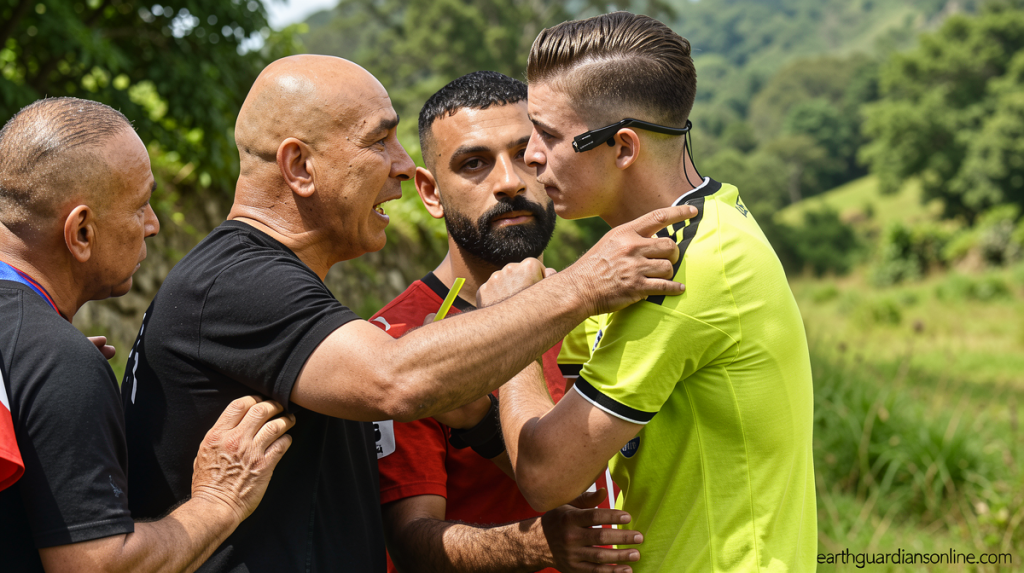
Egypt’s World Cup Heartbreak: A Match Defined by Controversy and Outrage
Explained – After nearly four weeks of relentless tournament football, the World Cup takes a brief pause today. With no fixtures scheduled, squads across the globe will enjoy a day of recovery before the quarterfinal stage begins on Thursday. This break feels particularly timely given the dramatic events that unfolded yesterday, where emotions ran so high that even the most seasoned observers felt the need for a moment’s respite.
At Mercedes-Benz Stadium, history was made as Argentina staged one of the greatest comebacks in the sport’s storied past. Kyle Feldscher, CNN Sports’ supervising editor, witnessed the spectacle firsthand and described it as something akin to divine intervention. While the global football community celebrated yet another magical performance from Lionel Messi, Egyptian supporters found themselves crushed by disappointment and simmering with anger.
A Lead That Slipped Away
The Egyptian campaign had looked promising from the opening whistle. They took the lead in the fifteenth minute, building momentum and confidence as the match progressed. Just before the hour mark, they believed they had extended their advantage, only to watch their celebration dissolve into disbelief as the VAR review began.
“We have been treated unfairly today,” Hassan told reporters after a match that ended in a flurry of cards for the Egyptian players and coaching staff who confronted the referee.
The controversy centered on a seemingly minor incident. The video assistant referee identified what appeared to be a foul on Lisandro Martínez during the buildup to Egypt’s second goal. While most neutral observers would concede that contact occurred, the severity of the infringement seemed insufficient to warrant such a significant intervention. Despite this setback, Mostafa Ziko managed to find the net, sending Argentina to the brink of elimination.
The Final Act of Drama
Argentina’s response was nothing short of spectacular. Within a thirteen-minute window at the conclusion of the match, the defending champions scored three times. The decisive goal arrived in the third minute of stoppage time through Enzo Fernández, igniting celebrations among the Albiceleste faithful while simultaneously fueling Egyptian fury.
The Egyptian technical bench erupted with indignation, convinced that a penalty should have been awarded during the buildup to Fernández’s winner. Less than twenty seconds before the ball found the net, Mohamed Salah had fallen inside the Argentina penalty area. Replays revealed that Julián Álvarez had made contact with the ball before Salah went down under pressure from the Argentine defender.
“There has not been respect or fair play because a penalty was ruled out,” Hassan added. “A second ball that should have been called as a penalty for us was not even checked by the VAR.”
Compounding the Egyptian grievances, the bench had already been vocal about another potential penalty incident involving Alexis Mac Allister and Hamdy Fathy moments earlier. The accumulation of these decisions created a perfect storm of frustration.
Escalating Tensions
Coach Hossam Hassan was visibly incensed throughout the closing stages, at one point making the distinctive cross gesture with his arms—a symbol that FIFA introduced to alert officials to potential racist incidents. Though Hassan did not explicitly mention racism during his post-match press conference, his body language spoke volumes about his emotional state.
The Egyptian head coach was not one to remain silent about what he perceived as injustice. He vowed to withdraw from following the tournament entirely, declaring it an internal protest against the officiating standards he witnessed.
“I promise you, from the moment I go back, I’m not going to continue following the matches of this FIFA World Cup,” he said. “This is my internal fight, my internal objection, my own way of speaking up and standing up.”
Egypt’s football federation has since requested that FIFA initiate a formal investigation into the match referee and has urged the governing body to remove the entire officiating team from the remainder of the tournament. While disappointment is natural when key decisions go against a team, the Egyptian camp feels that the scale of injustice extends beyond mere bad luck.
