
How the World Cup became the summer party America needed
How the World Cup Became the Summer Party America Needed
From Dread to Delight: A Tournament Transformed
Earthguardiansonline.com – As the 2026 World Cup approached, my thoughts repeatedly circled back to one unsettling possibility: “This could be a disaster.” Across the nation, news outlets highlighted how an extended federal government shutdown had deprived local municipalities of essential funding needed to welcome millions of international visitors. Additional anxieties emerged regarding America’s polarized political climate potentially deterring overseas fans. Stories of inflated accommodation costs suggested thousands of vacant seats as supporters found themselves unable to afford the journey. Compounding these worries, the outbreak of conflict in Iran damaged the United States’ standing both domestically and internationally.
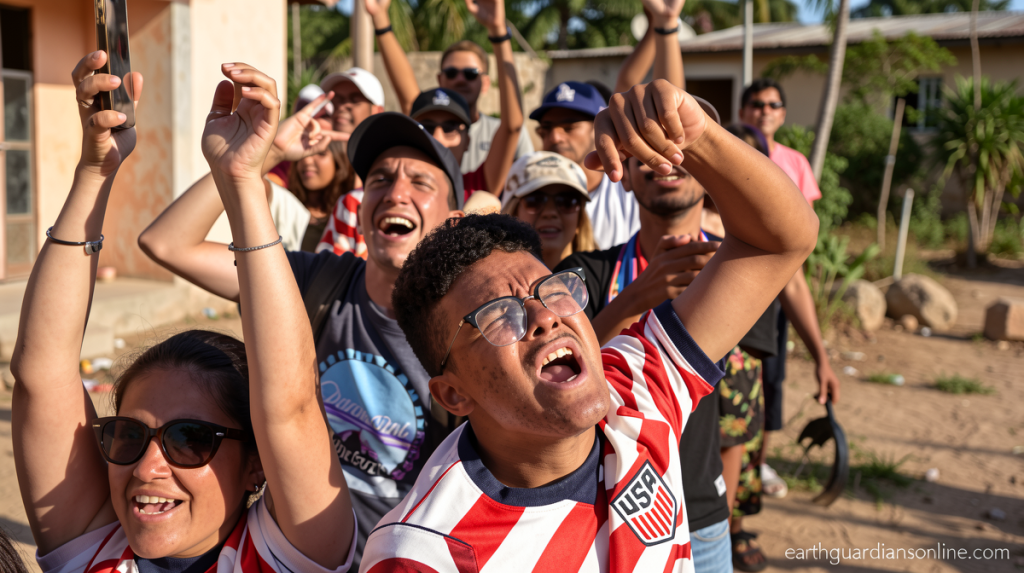
Yet I could not have been more mistaken. From the opening kickoff in Mexico City through the championship match in New Jersey’s Meadowlands, North America hosted what might rank among the greatest celebrations in sporting history. The atmosphere underwent a complete transformation—one that felt desperately necessary. On that inaugural evening in Mexico, South Korean and Mexican supporters embraced with the warmth of reunited family. As attention shifted northward, Scottish fans enjoyed Boston’s finest offerings while Norwegian supporters rowed across every conceivable surface. Brazilian, Argentine, and Colombian visitors flooded into American cities in remarkable numbers, while everyday travelers discovered culinary treasures like Buc-ee’s and Waffle House.
A Nation Reimagined
For several weeks, Americans entertained the possibility—however improbable—that their national team had genuinely evolved into a World Cup contender following two stirring victories to begin the competition. The United States had long watched political turbulence from Washington DC spill outward and influence the national mood. But for over five weeks, headlines from cities across the continent reminded millions of something fundamental: this nation possesses extraordinary character. Lawrence, Kansas became the unlikely home of Algeria’s devoted supporters. Boston experienced a romantic summer with Scottish visitors before those same fans claimed Miami as their own. Seattle cultivated an electrifying atmosphere while Atlanta’s downtown transformed as its fanfest became the most sought-after destination in the country.
Politics certainly did not vanish entirely. The thirty-nine-day tournament experienced moments where governance intruded upon what many hoped would remain a sporting paradise. Iran’s national team faced justified criticism after FIFA and American authorities forced a last-minute relocation of their training facility, restricting their flights to only days before crucial matches and leaving minimal time for preparation or recovery. President Donald Trump’s involvement in the Folarin Balogun situation momentarily raised questions about the tournament’s credibility—until Belgium defeated the Americans and eliminated them from contention. A Somalian referee encountered entry restrictions while several other nations experienced visa complications attributed to the Trump administration.
Soccer Prevails
Despite concerns that Trump might dominate daily headlines throughout the event—much like the celebrations surrounding America’s 250th anniversary or the controversies involving Washington’s reflecting pool—the competition remained fundamentally about football. Even when the Balogun controversy captured media attention, the sport quickly reclaimed the spotlight. The day following that uncomfortable episode for American soccer, Lionel Messi and Argentina delivered one of the tournament’s most remarkable recoveries, overcoming a late 2-0 deficit against Egypt to secure a 3-2 victory in what many considered the match of the competition.
This moment served as a turning point, demonstrating that the magic occurring on the pitch consistently outweighed any attempts by Washington to overshadow the event. It allowed supporters to once again celebrate the beauty of the World Cup rather than worrying about football’s future trajectory.
The tournament’s impact will endure for years to come, long after Rodri raised the championship trophy and Spain celebrated their victory on Sunday. Researchers will examine numerous aspects of this celebration, from economic benefits to cultural connections forged between strangers from different continents. The World Cup proved that despite political divisions and logistical challenges, America could still host the world’s greatest party—and perhaps, just perhaps, remind itself of what makes this country special.
