
Meta and YouTube found liable in landmark social media trial
Meta and YouTube Found Liable in Landmark Social Media Trial
Following a pivotal court ruling, Meta and YouTube have been held accountable for contributing to a woman’s social media dependency, marking a significant development in the legal battle against tech giants. The decision, reached by a jury in Los Angeles, awarded the plaintiff $6 million in damages after determining that the platforms’ addictive design played a key role in her condition.
Awarded $6M for Addictive Design
California jurors concluded that Instagram, owned by Meta, and YouTube, operated by Google, were negligent in their platform’s creation and management. The ruling stated that each company’s design choices significantly influenced the plaintiff’s mental health struggles. The trial, which spanned approximately a month, concluded on Wednesday after more than 40 hours of deliberation across nine days.
The plaintiff, who remains anonymous, claims she developed multiple mental health issues from early engagement with social media. Her legal team argued that the platforms were engineered to encourage prolonged use, akin to a “Trojan horse” that appears beneficial but ultimately takes control of users’ habits.
“How do you make a child never put down the phone? That’s called the engineering of addiction,” stated her attorney, Mark Lanier, during the trial.
“They engineered it, they put these features on the phones. These are Trojan horses: They look wonderful and great…but you invite them in and they take over,” he added.
The trial also featured appearances from Meta’s CEO, Mark Zuckerberg, who testified that his platforms were intended to “have a positive impact in people’s lives.” Similarly, Instagram’s Adam Mosseri asserted that there is no conclusive scientific evidence linking social media to addiction, differentiating between “clinical addiction” and “problematic use.”
Despite the verdict, both Meta and Google expressed their intention to appeal. However, the ruling has been viewed as a precedent-setting moment, potentially paving the way for numerous subsequent lawsuits targeting tech companies for their influence on user behavior.
Harry and Meghan’s Reaction
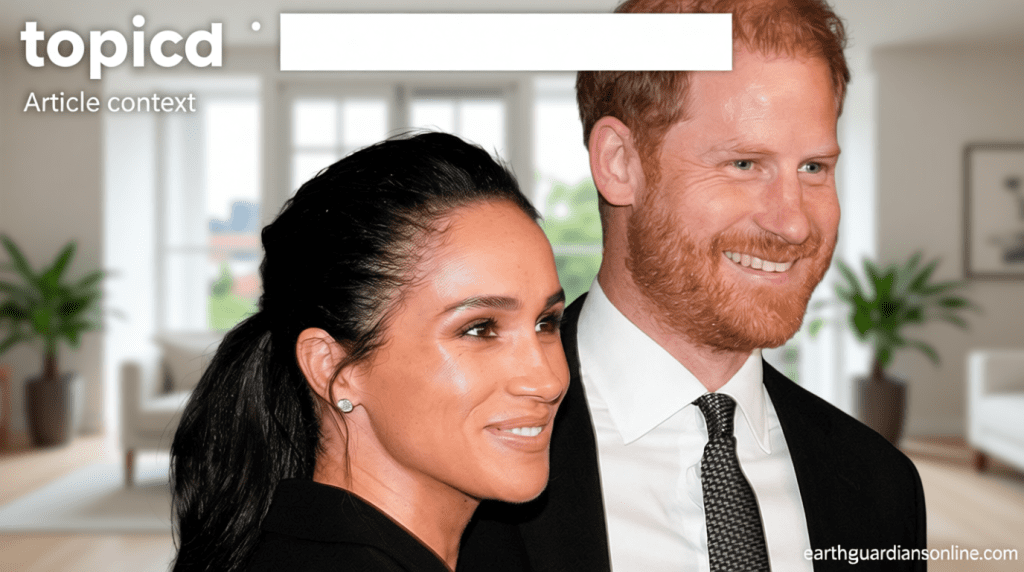
Harry and Meghan, the Duke and Duchess of Sussex, praised the decision, calling it a “landmark” achievement. They emphasized that the case has “pulled back the curtain” on the role of product design in harming users, stating, “The harm isn’t in parenting, it’s in product design.”
“Accountability has finally arrived,” they said. “The question is no longer whether social media must change—it’s when, and how fast.”
“This verdict is a victory for families, advocates, and young people everywhere—and a powerful message that justice has caught up to Big Tech,” they added.
The legal battle underscores growing concerns about the impact of digital platforms on mental well-being, with over 1,600 plaintiffs, including 350 families and 250 school districts, alleging that companies like Instagram, YouTube, TikTok, and Snap designed products to foster addictive behavior.
Matthew Bergman, representing more than 1,000 plaintiffs through the Social Media Victims Law Center, highlighted the trial’s importance in shifting the narrative around tech accountability. The case against YouTube also sparked debate, as the company contested claims that it should be held responsible, arguing its platform isn’t inherently social media and the plaintiff no longer found it engaging.
