
Social media giants found liable for social media addiction in landmark court case
Social Media Giants Found Liable for Social Media Addiction in Landmark Court Case
In a pivotal legal ruling, a jury in Los Angeles determined that Google and Meta were accountable for a woman’s social media dependency, marking a significant development in the ongoing debate over digital platform influence.
The anonymous plaintiff received a $6 million award after the jury concluded that Instagram and YouTube—operated by Meta and Google respectively—had caused harm through their addictive design. This decision sets a precedent for future cases targeting social media companies for algorithmic strategies that prioritize engagement over well-being.
Meta and Google both expressed disagreement with the verdict, with plans to challenge the ruling through appeals. The trial, which spanned over 40 hours across nine days, concluded with jurors identifying negligence in the platforms’ development and operation as a key factor in the plaintiff’s condition.
Plaintiff’s Journey and Legal Arguments
Kaley, referred to as KGM in court, is a 20-year-old Californian who claims her mental health deteriorated due to prolonged social media use starting in childhood. Her legal team argued that platforms were engineered to foster compulsive behavior, describing them as “Trojan horses” that appear beneficial but ultimately dominate users’ attention.
“How do you make a child never put down the phone? That’s called the engineering of addiction,” her attorney, Mark Lanier, told the jury.
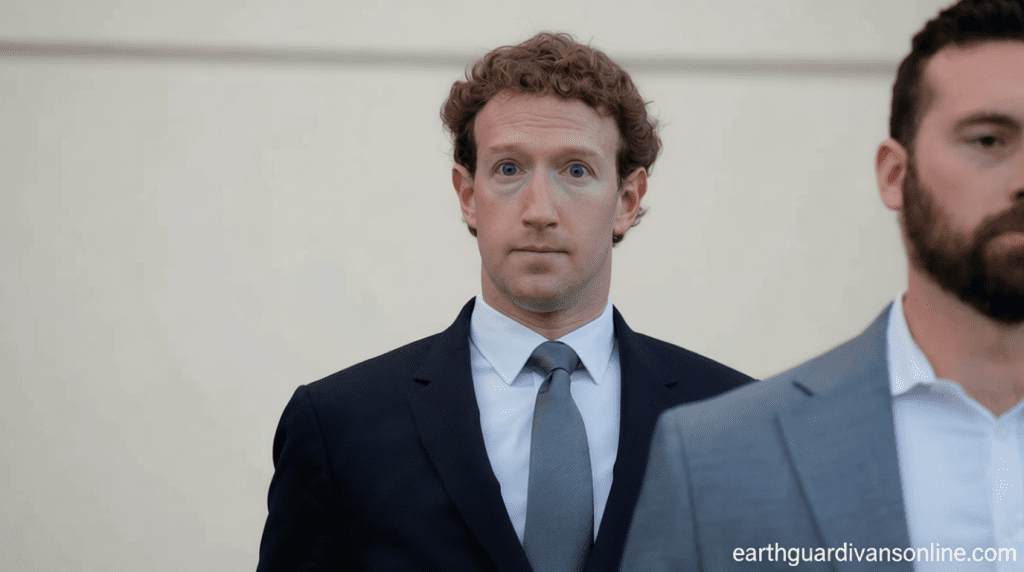
During the trial, Meta’s CEO Mark Zuckerberg testified, insisting his platforms were designed to positively impact users’ lives. “It’s very important to me that what we do […] is a positive force in their lives,” he stated.
Adam Mosseri, Instagram’s head, emphasized the lack of scientific proof for social media addiction, distinguishing between clinical dependence and “problematic use.” When questioned about the plaintiff’s 16-hour daily Instagram engagement, he remarked, “That sounds like problematic use.”
YouTube contested its inclusion, asserting it isn’t social media and noting the plaintiff claimed to lose interest in the platform as she aged. “Ask whether anybody suffering from addiction could just say, ‘Yeah, I kinda lost interest,’” said YouTube’s lawyer, Luis Li.
Broader Implications and Future Cases
Meta argued the plaintiff’s mental health issues stemmed from a troubled childhood, with no therapist attributing her problems to social media. Despite this, the trial is viewed as the first in a series of major lawsuits against Instagram, YouTube, TikTok, and Snapchat in the U.S.
Over 1,600 plaintiffs, including 350 families and 250 school districts, accuse the companies of creating products that harm young users. Matthew Bergman, representing over 1,000 plaintiffs, highlighted the significance of the trial’s outcome, stating, “Victims in the United States have won because now we know social media companies can and will be held accountable before a fair and impartial jury.” He added that future trials would continue to shape the legal landscape.
