
GLP-1s are shrinking bodies. Cadaver fat is plugging the gap
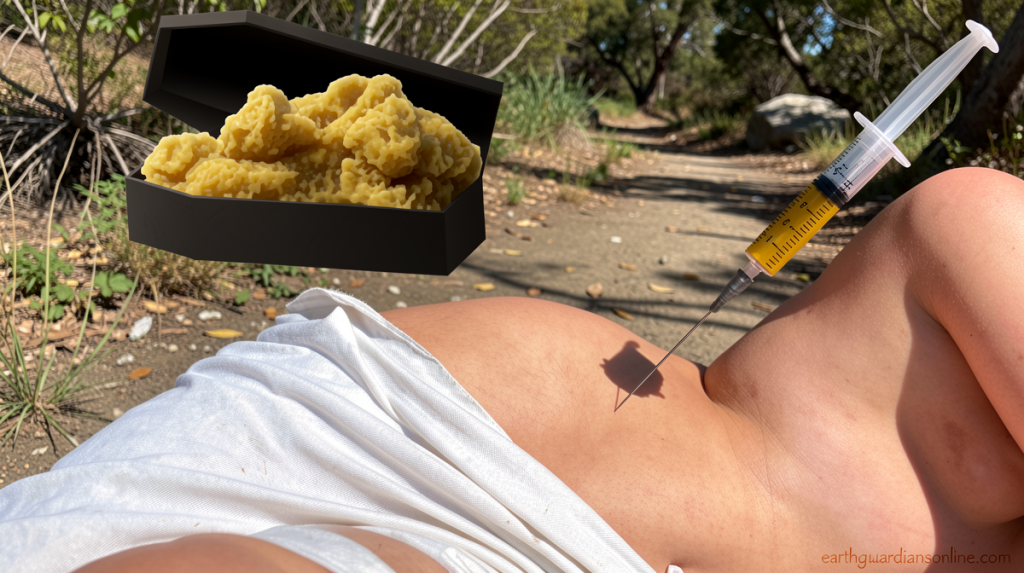
When Shrinking Bodies Meet Donor Fat: The Rise of alloClae
A New Era of Body Maintenance
GLP 1s are shrinking bodies Cadaver – For decades, Sandra—a Los Angeles media attorney—considered breast augmentation but hesitated due to surgical pain, extended recovery periods, and discomfort with permanent implants. “Having this kind of foreign sac in your body” bothered her, she explained. However, last summer changed everything when she discovered alloClae, an innovative injectable treatment that requires no synthetic materials, no implanted devices, and virtually no downtime. At forty-three, she felt ready to prioritize herself. “You hit a certain age and you decide, I’m going to do something for myself at this point,” she reflected.
The product, pronounced “allo-clay” after the sculpting medium, delivers results quickly. Often called the “lunchtime boob-job,” treatments typically conclude within sixty minutes without requiring general anesthesia or hospital facilities. Sandra found the post-treatment care requirements remarkably straightforward. Perhaps most notably, the treatment utilizes fat harvested from deceased donors—referred to scientifically as cadavers—which never concerned her. “I was fine with that,” she stated simply.
Market Growth and Cultural Shift
Consumer enthusiasm appears to mirror Sandra’s experience. Tiger Aesthetics, the manufacturer behind alloClae, reports exceeding two thousand patient treatments since May 2025. The product generates considerable discussion on Reddit’s prominent plastic surgery community, where prospective patients exchange reviews and physician recommendations. By 2026, procedures once categorized as body modification have transitioned into routine body maintenance. Modern Americans can now easily reshape their physical appearance through rib remodeling, upper and lower blepharoplasty, mid-facelifts, lower facelifts, and deep-plane facelifts. As surgical innovations continue advancing, consumer demand for refined aesthetics grows alongside them.
Despite positive reception, alloClae faces mixed media portrayal. While some clinics celebrate it as “next-generation” technology, other headlines label it “zombie filler” or “corpse injections.” This dichotomy raises questions about societal boundaries regarding beauty enhancement. Will alloClae achieve Botox-level ubiquity? Ultimately, acceptance may depend on individual perspectives toward mortality.
Product Details and Medical Access
Initial US distribution in 2024 targeted board-certified plastic surgeons experienced with fat procedures. Since January 2026, availability expanded to include mid-level providers such as physician assistants, nurse practitioners, and aesthetic nurses. Tiger Aesthetics provides specialized training for nurse practitioners, who normally cannot perform breast injections. Dr. Luis Macias, a Los Angeles-based double-board-certified plastic surgeon among the earliest recipients, describes the product’s surging demand. “I have to buy a lot of syringes at a time, and talk to the rep constantly about it,” he noted during a telephone conversation. “I feel like I’m talking to my Porsche dealer… It’s ridiculous.”
Each 12.5cc syringe costs approximately $2,250. Marketed as “off-the-shelf” fat or “bottled fat grafting,” alloClae offers an alternative to autologous fat grafting, where patients donate their own liposuctioned fat for transfer to target areas. While not the first cadaver fat injectable—Renuva by MTF Biologics debuted roughly a decade prior—alloClae distinguishes itself through volume capacity. Renuva’s maximum 3cc syringe suits smaller regions like hands, face, and neck. alloClae’s largest syringe accommodates approximately 22cc. “It’s a little chunkier,” Macias observed. “A little firmer.”
The GLP-1 Connection
Current statistics reveal that approximately eleven percent of Americans utilize weight-loss medications including Ozempic and Wegovy. This demographic presents a unique opportunity for alloClae. Dr. Macias reports numerous patients on GLP-1 medications seeking to restore volume to areas losing fat rapidly. These individuals can now strategically spot-treat specific regions and customize their body silhouettes rather than accepting uniform thinness. The injectable essentially addresses an emerging market gap created by shrinking bodies, offering targeted solutions for those wanting to maintain curves while their overall size decreases. As treatment accessibility expands and consumer awareness grows, alloClae may well become a standard option for anyone navigating the intersection of weight loss and aesthetic enhancement.
