
2026 Winter Olympics Women Single Skating Free Skate
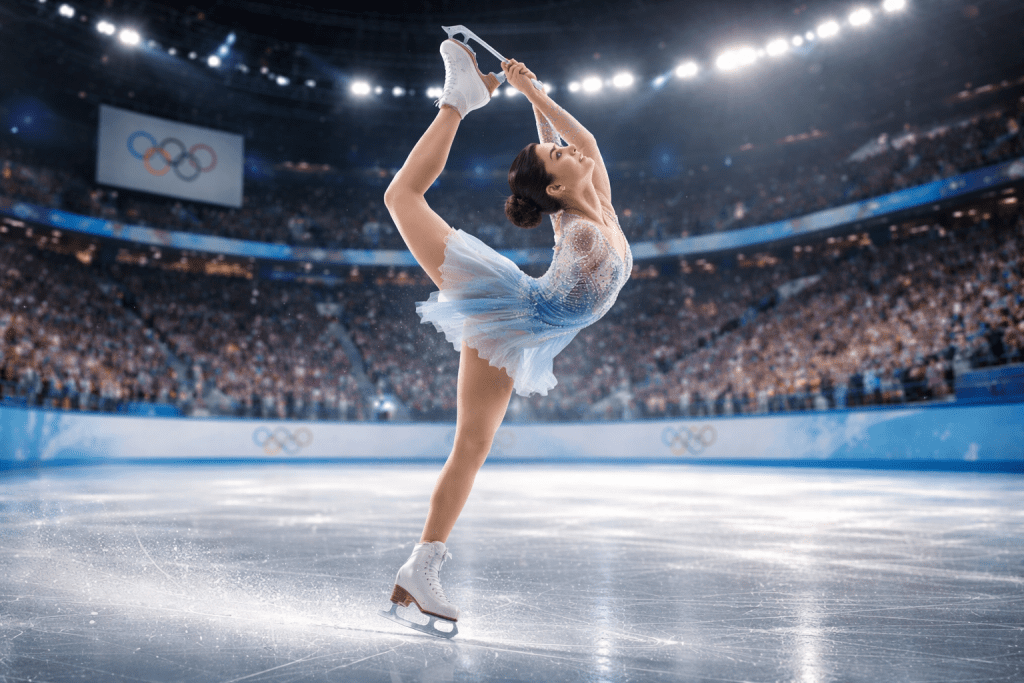
The 2026 winter olympics women single skating free skating event will be one of the most anticipated highlights of the Milano–Cortina Winter Games. This segment determines the final standings in the women’s singles discipline, combining technical precision with artistic interpretation over a demanding four-minute program. Skaters must execute high-value jumps, complex spins, and intricate step sequences under Olympic pressure. For viewers and analysts alike, this event represents the ultimate test of consistency, stamina, and competitive composure.
Unlike the short program, the free skate carries greater weight in the total score. Athletes who perform cleanly in this segment often climb the rankings dramatically. As a result, the free skate frequently decides Olympic medals and defines legacies.
Format and Scoring System
The 2026 winter olympics women single skating free skating follows the International Skating Union (ISU) judging system. Each skater performs a free program lasting four minutes, with a 10-second grace period. The routine must include specific technical elements such as jump combinations, solo jumps, spins, and a choreographic sequence.
Scores are divided into Technical Element Score (TES) and Program Component Score (PCS). TES measures the difficulty and execution of jumps, spins, and steps, while PCS evaluates skating skills, transitions, performance, composition, and interpretation. Judges assign Grades of Execution (GOE) to each element, which can increase or decrease the base value.
Underrotation, edge calls, and falls result in deductions. Clean execution of high-difficulty elements, such as triple-triple combinations or quadruple jumps, significantly boosts total points. Consistency across all elements is critical, as even minor mistakes can alter podium outcomes.
Technical Demands and Jump Content
Technical difficulty has increased dramatically in recent Olympic cycles. In the 2026 winter olympics women single skating free skating, athletes are expected to attempt advanced jump layouts. Many contenders incorporate triple Axel attempts, while some may include quadruple jumps, depending on the competitive landscape leading into the Games.
The free skate allows seven jump passes. Skaters must carefully plan combinations to maximize scoring potential, particularly in the second half of the program where a bonus is applied to jumps. Strategic placement of high-value elements can significantly influence final totals.
Spins and step sequences also contribute to scoring depth. To receive Level 4, the highest difficulty level, skaters must demonstrate clear features such as difficult entries, variations, and precise edge control. Judges reward clarity, speed, and centering in spins, along with complexity and musical timing in footwork.
Artistic Interpretation and Program Components
Beyond technical execution, the free skate emphasizes artistic maturity. Judges evaluate how effectively a skater connects movement to music and expresses emotion through choreography. Skating skills, including edge quality and flow across the ice, remain foundational to high component scores.
Programs are often designed to highlight a skater’s strengths. Some athletes select dramatic orchestral pieces to showcase power and intensity, while others opt for lyrical compositions to emphasize fluidity and interpretation. Choreography must balance technical content with performance continuity.
The 2026 winter olympics women single skating free skating will likely feature diverse musical selections reflecting global influences. Judges assess not only execution but also authenticity and projection. Strong component scores often separate closely matched technical performances.
Medal Contenders and Competitive Landscape
Olympic women’s singles skating has historically been shaped by emerging teenage talents and seasoned veterans. In 2026, the competitive field is expected to include World Champions, Grand Prix Final medalists, and rising juniors transitioning to senior ranks.
National depth plays a significant role. Countries with established training systems and consistent international results typically produce multiple medal contenders. Selection processes within federations are rigorous, as Olympic spots are limited.
Momentum entering the Games will matter. Skaters who demonstrate consistency in the seasons leading up to Milano–Cortina often carry confidence into the Olympic arena. However, the unpredictability of the free skate means that rankings can shift rapidly based on performance quality.
Psychological Pressure and Olympic Atmosphere
The Olympic stage introduces a level of pressure unmatched by other competitions. The free skate, positioned after the short program, often determines whether a skater secures gold or falls off the podium. Athletes must maintain composure under global scrutiny.
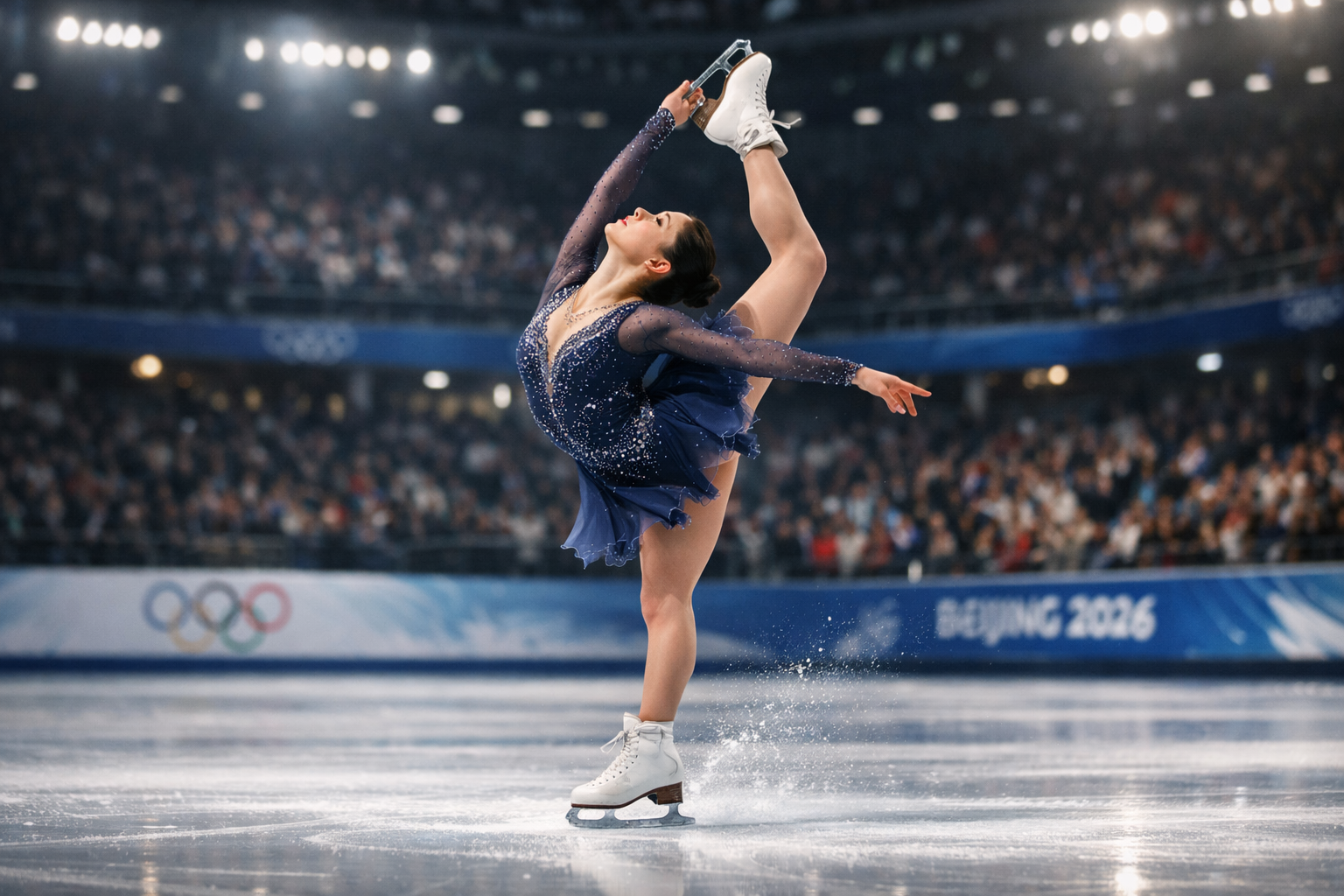
Mental preparation includes visualization, repetition, and strategic pacing. Coaches carefully manage training loads to ensure peak condition during the Olympic week. A single mistake can define the outcome, making psychological resilience as important as technical skill.
The crowd atmosphere in Milano–Cortina will amplify the experience. Olympic audiences are larger and more diverse than typical skating events. The combination of live spectators and worldwide broadcast attention adds intensity to every element performed.
Historical Context and Evolution
Women’s Olympic free skating has evolved significantly over decades. Earlier eras prioritized artistry and clean triple jumps, while modern programs emphasize extreme technical difficulty. The introduction of the ISU judging system reshaped scoring transparency and element valuation.
Recent Olympic cycles have showcased record-breaking scores and unprecedented jump content. The 2026 winter olympics women single skating free skating will continue this progression, reflecting advancements in athletic training and choreography innovation.
Each Olympic free skate produces defining moments remembered long after the Games conclude. From flawless programs that secure gold to dramatic comebacks after short program setbacks, the event consistently delivers historical significance.
Broadcast, Schedule, and Global Viewership
The free skate typically takes place near the conclusion of the women’s singles event. It is broadcast globally through official Olympic media partners, attracting millions of viewers. Prime-time scheduling in various regions ensures broad international engagement.
Digital platforms also provide live streaming and on-demand replays. This accessibility expands audience reach beyond traditional television. As figure skating remains one of the most watched Winter Olympic sports, the women’s free skate consistently ranks among the most viewed segments.
For fans tracking results, official Olympic and ISU platforms publish detailed score breakdowns. These include element-by-element analysis, enabling deeper understanding of judging decisions.
Conclusion
The 2026 winter olympics women single skating free skating represents the decisive and most dramatic segment of the women’s singles competition. Combining advanced technical elements with refined artistry, it determines Olympic medals and shapes athletic legacies. Precision, endurance, and composure under pressure define success in this four-minute program. As Milano–Cortina approaches, anticipation continues to build for performances that will define the next chapter of Olympic figure skating history.
FAQ
Q: What is the difference between the short program and free skating in women’s singles? A: The short program has stricter element requirements and shorter duration, while the free skate is longer and carries more weight in the final score.
Q: How long is the women’s free skate at the 2026 Winter Olympics? A: Each skater performs a four-minute program with a 10-second grace period.
Q: How is the winner determined in the free skate? A: Judges combine Technical Element Score and Program Component Score, along with deductions, to calculate the final total.
Q: Are quadruple jumps allowed in the women’s free skate? A: Yes, quadruple jumps are permitted and can significantly increase technical scores if executed successfully.
Q: Why is the free skate considered decisive? A: It contributes the largest portion of the total score, often determining final rankings and medal placements.
