
2026 Winter Olympics: Women’s Snowboarding Halfpipe Preview
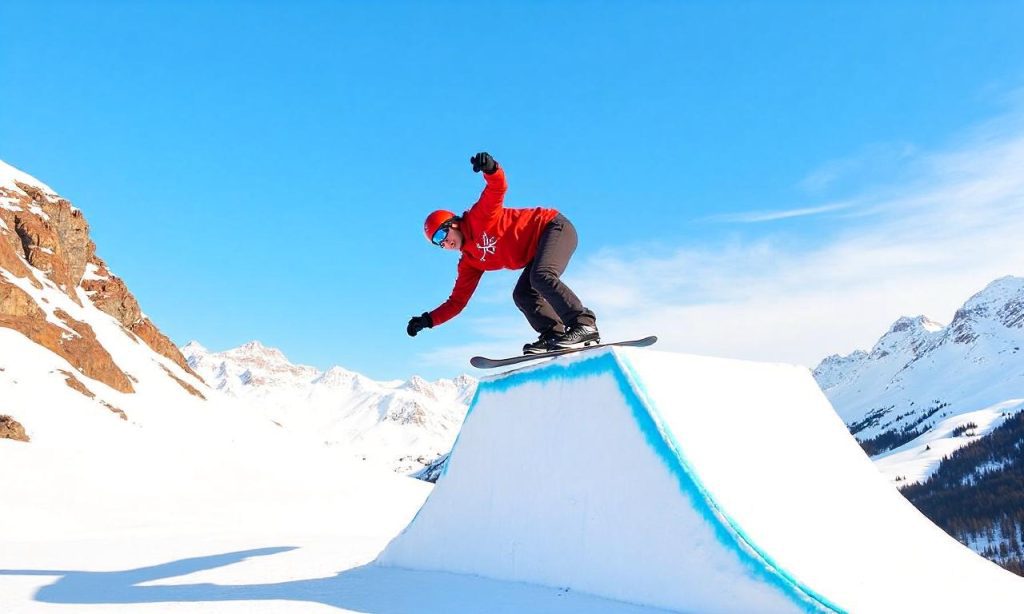
The 2026 winter olympics women's snowboarding halfpipe will be one of the most anticipated freestyle events in Milan–Cortina, bringing together the world’s most technically advanced riders in a discipline defined by amplitude, precision, and progressive trick combinations. Fans searching for a preview want to know who the contenders are, how the format works, and what level of progression to expect. The women’s field has evolved rapidly in recent Olympic cycles, with increasingly complex rotations and consistent execution under pressure. Milan–Cortina is expected to elevate that standard again.
Event Format and Judging Criteria
The structure of the 2026 winter olympics women's snowboarding halfpipe will follow the established Olympic competition format. Riders typically compete in qualification rounds, where they are given multiple runs, and the best score counts toward advancement. The top athletes move into the final, where scores reset and medals are decided based on their strongest run.
Judging in halfpipe is based on a combination of amplitude, difficulty, execution, variety, and progression. Amplitude—the height achieved above the lip of the pipe—remains a core scoring component because it demonstrates power and control. Difficulty includes the number of rotations, axis variations, and grab complexity.
Execution is equally critical. Judges evaluate how cleanly tricks are landed, whether rotations are completed fully, and how smoothly riders link maneuvers. Small errors, such as sketchy landings or incomplete grabs, can reduce scores significantly at Olympic level.
Variety and progression separate medal contenders from finalists. Repeating similar spins or relying on safe tricks typically limits scoring potential. To win in 2026, riders will need a run that blends high amplitude with double corks, 1080s, and potentially 1260-degree rotations performed with precision.
Key Athletes to Watch
The competitive landscape heading into the 2026 winter olympics women's snowboarding halfpipe reflects a generational shift. Established Olympic medalists remain in contention, but a new wave of riders is pushing technical boundaries. Experience matters in the halfpipe, where mental composure under Olympic pressure can determine outcomes.
Athletes from the United States and Japan have dominated recent world championships and X Games competitions. Japanese riders, in particular, have introduced highly technical spin combinations and creative grabs. American athletes bring consistency, amplitude, and championship experience.
Emerging competitors from Europe and China are also narrowing the gap. Training infrastructure has improved globally, allowing more athletes to access world-class halfpipes and coaching. Depth in the field means qualification rounds will likely be intensely competitive.
In 2026, medal contenders will likely be those who combine progressive trick selection with consistent landings. Riders who can execute back-to-back double cork variations at significant height without sacrificing style will have the edge.
Technical Progression Since Beijing 2022
The technical evolution between Beijing 2022 and the 2026 winter olympics women's snowboarding halfpipe is substantial. Double corks have become standard rather than exceptional. Rotations exceeding 1080 degrees are now common among top finalists.
Another trend is the refinement of grab discipline during rotations. Judges increasingly reward clearly defined, extended grabs that demonstrate control. Riders are no longer relying solely on spin count; style and execution matter more than ever.
Switch riding has also become more integrated into high-scoring runs. Athletes now open or close runs with switch double corks, adding difficulty and complexity. The inclusion of both frontside and backside rotations in the same run boosts variety scores.
The arms race in progression is balanced by the need for clean landings. A technically ambitious run that ends in a fall will not medal. Therefore, strategic run construction—balancing risk and reliability—will shape podium outcomes in Milan–Cortina.
The Milan–Cortina Venue and Conditions
The venue for the 2026 winter olympics women's snowboarding halfpipe is expected to feature a world-class superpipe built to Olympic standards. Pipes are typically around 22 feet high, allowing riders to achieve significant amplitude. Construction quality plays a major role in scoring potential.
Weather conditions in northern Italy can influence snow texture and pipe speed. Colder temperatures create faster, firmer walls that support high air. Warmer conditions can slow momentum and require more precise pumping between hits.
Olympic pipe crews work continuously to maintain consistent wall height and lip sharpness. Even minor inconsistencies can affect takeoff trajectories. For elite riders performing spins over 1000 degrees, predictability in the pipe is essential.
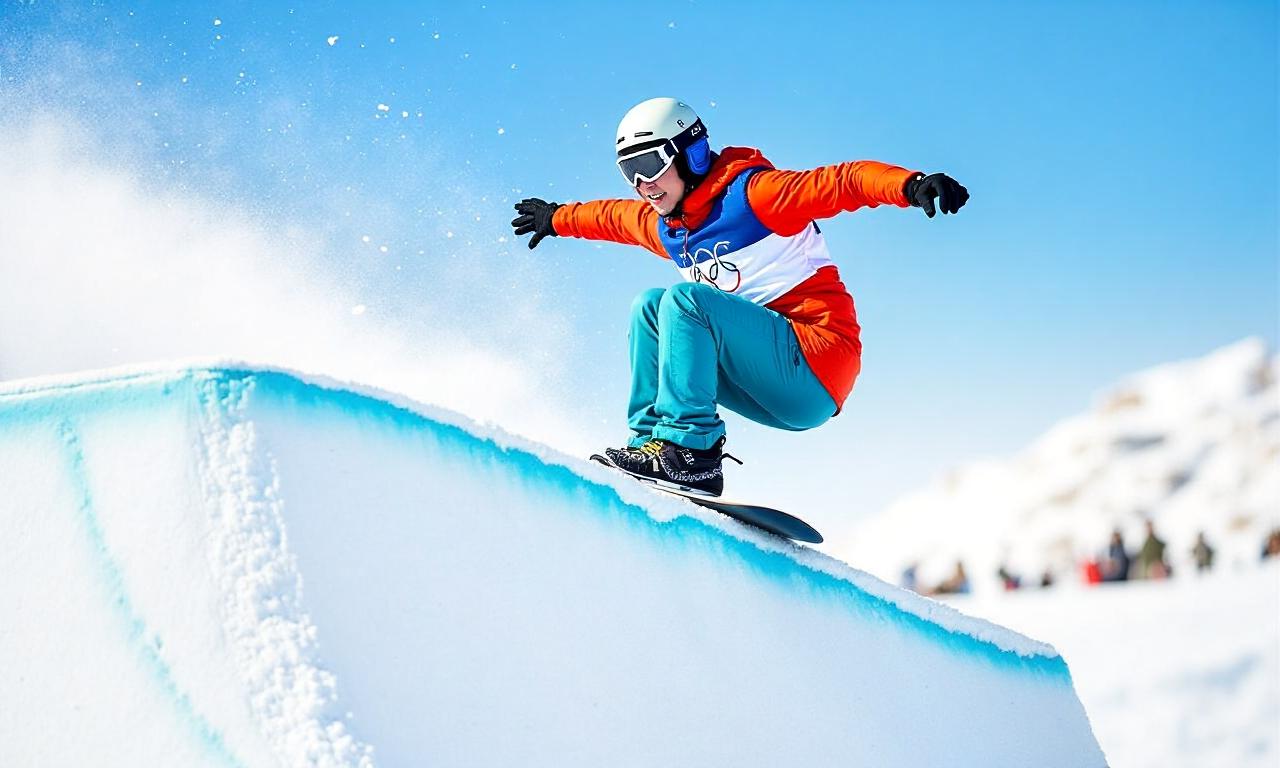
Altitude and environmental factors may also affect stamina. Finals often require repeated high-intensity efforts. Athletes who manage energy effectively during qualifications are better positioned for peak performance in medal rounds.
Medal Outlook and Competitive Dynamics
The medal race in the 2026 winter olympics women's snowboarding halfpipe will likely hinge on two factors: run completeness and competitive response. Olympic finals are dynamic, with riders adjusting strategy based on leaderboard positioning. A conservative first run may secure a score, while later runs push progression.
Historically, gold medal runs combine at least two double cork variations, a 1080 or higher rotation, and clean execution throughout all six hits. Consistency across the full length of the pipe matters; one weak hit can reduce overall impression.
Psychological resilience will be decisive. Olympic finals feature high stakes and global attention. Riders who recover quickly from falls and recalibrate strategy within limited attempts often outperform technically stronger but less composed competitors.
Given the current trajectory of the sport, it would not be surprising to see a winning run exceed scoring benchmarks from previous Games. The 2026 edition may mark another leap in women’s halfpipe progression.
Broader Impact on Women’s Snowboarding
The 2026 winter olympics women's snowboarding halfpipe carries significance beyond medals. The discipline has become a benchmark for gender progression in freestyle sports. Technical ceilings continue to rise, challenging outdated assumptions about limits.
Youth participation is expanding as visibility increases. Olympic performances influence grassroots development programs and sponsorship opportunities. A standout performance in 2026 could inspire the next generation of competitive riders.
Media coverage and digital distribution amplify global reach. High-definition broadcast angles and social media replay culture highlight technical details once visible only to specialists. This visibility reinforces standards and accelerates progression.
The Milan–Cortina Games will likely reinforce women’s halfpipe as one of the most technically advanced events in Olympic snowboarding.
Conclusion
The 2026 winter olympics women's snowboarding halfpipe is positioned to deliver a technically advanced and strategically intense competition. With elevated trick difficulty, deeper international fields, and refined judging emphasis on execution and variety, Milan–Cortina may redefine the benchmark for women’s halfpipe. Medal outcomes will depend on amplitude, consistency, and composure under pressure. The event stands as both a championship contest and a milestone in the sport’s ongoing evolution.
FAQ
Q: When will the women’s snowboarding halfpipe take place at the 2026 Winter Olympics? A: The event is scheduled during the Milan–Cortina 2026 Winter Olympics program, typically following qualification rounds before medal finals later in the competition week.
Q: How is the women’s halfpipe event judged at the Olympics? A: Judges score runs based on amplitude, difficulty, execution, variety, and progression, with the highest-scoring run counting in each round.
Q: What tricks are expected to dominate the 2026 competition? A: Double cork variations, 1080s and higher rotations, strong grab execution, and switch entries are expected to define medal-level runs.
Q: How many runs do athletes get in the Olympic final? A: Finalists generally receive multiple attempts, and only their best single run determines final rankings.
Q: Why is the 2026 women’s halfpipe considered historically significant? A: The field continues to push technical boundaries, making the 2026 edition a potential milestone in progression and global competitiveness.
