
59,000-year-old tooth offers a rare glimpse into how Neanderthals handled a medical problem
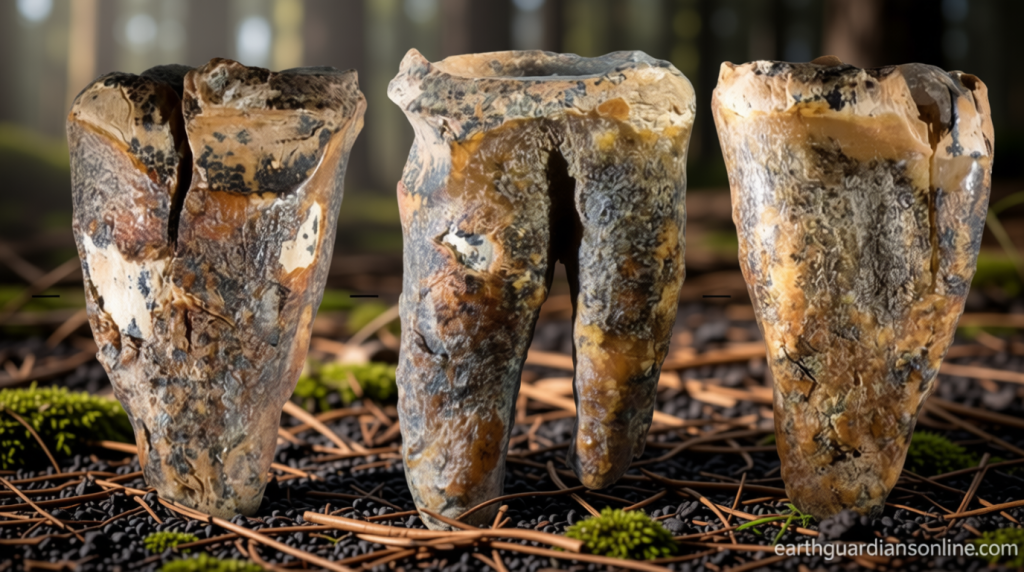
59,000-Year-Old Tooth Offers Rare Glimpse into Neanderthal Dental Procedures
59 000 year old tooth offers – A remarkable tooth unearthed in a Siberian cave has revealed insights into an ancient medical practice that challenges previous assumptions about Neanderthal capabilities. Researchers discovered the lower molar of an adult Neanderthal in Chagryskaya Cave, nestled in the Altai Mountains of southwestern Siberia, a region where these early humans thrived between roughly 49,000 and 70,000 years ago. The tooth, labeled Chagyrskaya 64, differs from other finds in the cave due to a unique feature: a deep, irregular hole in its crown that extends into the pulp chamber. This inner cavity, which houses nerves and blood vessels, suggests a complex interaction between the tooth and a tool, indicating a deliberate attempt to address a dental issue.
The anomaly in the tooth’s structure has sparked significant interest among scientists. The hole, which appears to have been created by drilling, covers most of the chewing surface, implying a severe cavity. What further intrigued researchers was the presence of scratches surrounding the hole, hinting at the use of a tool to manipulate the tooth. These markings align with the discovery of fine-pointed stone tools in the same cave, which may have been used for such tasks. The combination of these findings has led experts to conclude that Neanderthals likely employed a drilling technique to treat the tooth, marking the earliest known instance of targeted dental intervention in human evolutionary history.
Advanced imaging methods and experimental analysis have supported this hypothesis. By subjecting the tooth to multiple scans and simulating the process on modern human teeth, researchers identified the precise method used to create the hole. The scans revealed microtraces of rotational and drilling motions, consistent with a small, pointed tool that successfully removed the cavity’s contents. This process would have exposed the dental pulp and potentially numbed the nerves, reducing the pain associated with the infection. The wear patterns on the tooth also suggest that the individual could continue using it after the treatment, indicating a successful outcome.
A Breakthrough in Neanderthal Medical Knowledge
The study, published Wednesday in *PLOS One*, represents a major milestone in understanding Neanderthal behavior. According to lead author Alisa Zubova, a senior researcher at the Peter the Great Museum of Anthropology and Ethnography in St. Petersburg, the tooth’s condition underscores the Neanderthals’ ability to recognize and address health issues. “What amazed me was how intuitively the person who owned this tooth understood exactly where the pain was coming from and realized that its source could be removed,” Zubova said. This discovery challenges the stereotype of Neanderthals as primitive beings, highlighting their advanced problem-solving skills and care for their own health.
“We have never encountered anything like this before — neither among Neanderthals nor among modern humans from much later periods.”
Researchers have long debated the extent of Neanderthal intelligence, particularly their ability to engage in deliberate medical actions. While prior evidence suggested they practiced self-care, such as using tools to extract food debris or chew medicinal plants, this finding adds a new dimension. The presence of a drilled cavity implies a more sophisticated approach, where Neanderthals not only identified the problem but also executed a solution. This behavior is a testament to their cognitive abilities, as it requires planning, dexterity, and an understanding of anatomy.
Coauthor Ksenia Kolobova, head of the Laboratory of Digital Archaeology at the Institute of Archaeology and Ethnography in Novosibirsk, emphasized the significance of the discovery. “This tells us that the emotional and conscious parts of the Neanderthal mind operated independently, just as they do in modern humans,” she stated. The Neanderthals’ capacity for targeted treatment suggests they possessed a level of empathy and social organization previously underestimated. Their ability to manipulate tools and apply them to medical problems indicates a blend of practical knowledge and conscious decision-making.
Earlier research had indicated that Neanderthals had a richer oral microbiome compared to modern humans, which, combined with their low-carbohydrate diet, likely reduced their susceptibility to cavities. However, this tooth shows that when issues did arise, they were met with innovative solutions. The presence of a drilled cavity in a Neanderthal tooth is a rare event, making this find particularly valuable. It provides direct evidence of their ability to modify their environment and use it for health purposes, a trait often associated with more advanced human species.
Additional context from the study highlights the broader implications of Neanderthal medical practices. While Neanderthals are known for their survival skills, this discovery suggests they also engaged in preventive care. The use of tools to treat a cavity demonstrates not only their technical proficiency but also their capacity for pain management. This level of care implies that Neanderthals were not merely reacting to immediate needs but were developing strategies to improve their quality of life. The findings align with other evidence showing that Neanderthals shared food with injured individuals and protected them, suggesting a complex social structure.
The Chagryskaya Cave site, where the tooth was discovered, has been a focal point for archaeological research. Previous excavations there had uncovered traces of ancient fire, indicating early human mastery of controlled combustion. This new discovery adds to the growing body of evidence that Neanderthals were more than just hunters and gatherers—they were also innovators in their own right. The tools used for drilling, the technique applied, and the survival of the treated tooth all point to a society that valued both physical and mental resilience.
Experts believe this tooth offers a rare opportunity to peer into the daily lives of Neanderthals. The fact that they could identify an infection and perform a drilling procedure suggests a level of medical awareness that rivals early modern humans. This behavior is especially notable given the challenges of prehistoric life, where survival often depended on quick thinking and resourcefulness. The Neanderthals’ ability to tackle dental problems with such precision reinforces their status as intelligent, adaptive creatures capable of complex actions.
As the study continues to gain attention, it may inspire further research into Neanderthal health practices. The discovery of Chagyrskaya 64 not only expands our understanding of their medical knowledge but also reshapes perceptions of their cognitive abilities. By bridging the gap between Neanderthals and modern humans, this find challenges the notion that they were less advanced. Instead, it presents them as early pioneers in the field of medicine, demonstrating a unique blend of instinct and innovation that allowed them to thrive in harsh environments.
Ultimately, this Neanderthal tooth serves as a powerful reminder of the ingenuity that characterized early human species. Its existence in a cave that dates back nearly 80,000 years offers a glimpse into a time when survival was not just about hunting and gathering, but also about addressing health concerns with creativity and care. The implications of this discovery extend beyond dentistry, touching on broader aspects of Neanderthal culture, intelligence, and their place in the evolutionary timeline of human beings.
