
As renovation costs rise, are fixer-upper homes still worth it? Tell us what you think
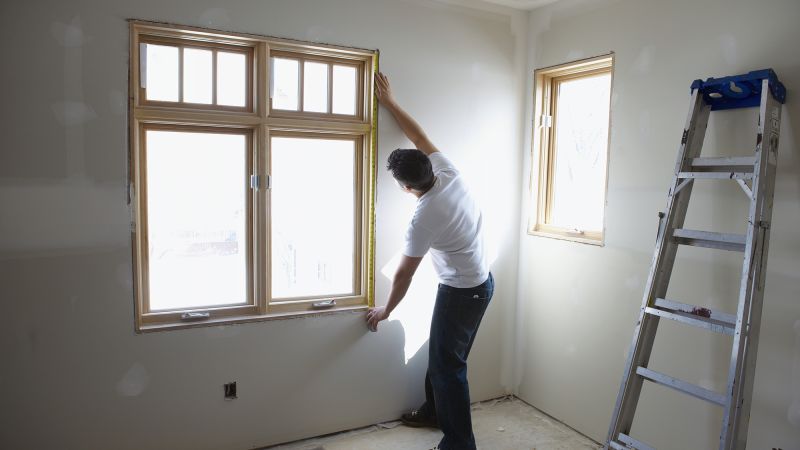
As renovation costs rise, are fixer-upper homes still worth it? Tell us what you think
The Changing Landscape of Homeownership
As renovation costs rise are fixer – In recent years, the dream of buying a fixer-upper has faced new challenges. Once a popular strategy for first-time buyers to enter the housing market affordably, this approach now requires careful reconsideration. While the idea of purchasing a less expensive property and gradually upgrading it has long been a financial lifeline for many, the rising costs of renovations have complicated the equation. With inflation, trade barriers, and a shortage of construction labor driving up material and labor prices, the traditional benefits of fixer-uppers are being tested.
Experts note that the surge in renovation expenses has not only impacted individual budgets but also altered the dynamics of the real estate market. For instance, the price of essential materials like lumber and plumbing fixtures has skyrocketed, making even basic updates costlier than before. Additionally, the demand for skilled labor has outpaced supply, leading to extended project timelines and higher hourly rates. These factors have forced buyers to reassess their strategies, as the initial savings from a lower purchase price may no longer offset the increased costs of repairs.
Why Fixer-Uppers Were Once a Smart Choice
Historically, fixer-upper homes offered a compelling blend of affordability and long-term value. Buyers could secure a property at a lower price, allocate funds for improvements over time, and gradually build equity. This model was particularly appealing during periods of economic uncertainty, as it allowed individuals to invest in their future without upfront commitments. For example, a first-time buyer might prioritize a smaller mortgage payment while planning to add a modern kitchen or update the roof in the coming years.
Moreover, fixer-uppers often served as a bridge for those entering the market with limited capital. By focusing on cost-effective upgrades, such as energy-efficient windows or repurposed fixtures, homeowners could maximize their returns. The flexibility to tailor renovations to personal needs also made these properties attractive. “It’s a way to create a home that reflects your style without breaking the bank,” says Maria Lopez, a real estate analyst. “You can start with small changes and scale up as your budget allows.”
Current Challenges for Fixer-Upper Buyers
Today, the financial calculus for fixer-uppers has shifted. Inflation has pushed up the cost of construction materials by over 30% in some regions, according to a 2026 report by the National Association of Home Builders. Tariffs on imported goods, such as appliances and flooring, have further strained budgets. Meanwhile, construction labor shortages—exacerbated by the post-pandemic workforce realignment—have led to delays and higher wages for contractors. These combined pressures have made even minor renovations more expensive, eroding the affordability that once defined fixer-uppers.
Compounding the issue is the current state of the housing market. High home prices and elevated mortgage rates have left many buyers struggling to afford even the base cost of a property. As a result, fixer-uppers are now being sold at steep discounts, but these deals come with hidden costs. “The discount might be tempting, but it’s not always a good deal if the renovation expenses outweigh the savings,” warns David Kim, a certified home inspector. This dilemma has prompted a wave of hesitation among potential buyers, who are now weighing the risks of investing in a property that may require significant upfront work.
Strategies for Navigating the New Reality
Despite the challenges, some buyers still see value in fixer-uppers. The key, experts suggest, lies in meticulous planning and prioritization. Rather than tackling major renovations immediately, homeowners can focus on high-impact, low-cost updates that increase a home’s value. For example, a modernized kitchen or a renovated bathroom often yields a strong return on investment, even with rising material prices. Additionally, budgeting for unexpected expenses—like plumbing or electrical issues—has become essential.
Another approach is to leverage market trends. With home prices at historic highs, fixer-uppers may offer a more accessible entry point for those who can afford the initial purchase. However, buyers must also consider the long-term implications of their choices. “It’s about balancing short-term savings with long-term costs,” explains Emily Carter, a financial planner. “If you’re not prepared to invest in renovations, a fixer-upper could become a financial burden rather than a stepping stone.”
The Role of Location and Timing
Geographic factors also play a critical role in the viability of fixer-uppers. In some areas, such as rural markets or older neighborhoods, renovation costs may remain lower compared to urban centers. For instance, a property in a less competitive region might allow buyers to negotiate a better price while still achieving their desired improvements. Timing is another important variable. Purchasing during off-peak seasons or when sellers are motivated can reduce both the purchase price and the cost of renovations, as contractors may offer lower rates.
Moreover, the pace of the housing market has influenced buyer decisions. With mortgage rates remaining high and inventory limited, some investors are opting for new construction to avoid the uncertainty of renovations. However, others argue that the potential for customization and long-term appreciation still makes fixer-uppers a viable option. “The market is evolving, but the core benefits of a fixer-upper—like flexibility and cost control—remain relevant,” notes John Reynolds, a real estate developer. “It’s just about adapting to the new financial landscape.”
A Call for Community Insights
As the debate continues, many are turning to personal experiences and community discussions to guide their decisions. Online forums and local real estate groups are buzzing with opinions about whether the current climate still supports the fixer-upper model. Some argue that the rise in renovation costs is temporary, while others believe it signals a longer-term shift in the housing market.
“The cost of renovating a fixer-upper has surged by 20% over the past two years. While it’s still a good option for those with the patience and resources, it’s no longer as straightforward as it once was.” – Sarah Mitchell, a homebuyer in the Midwest
For those still considering fixer-uppers, the decision hinges on personal goals and market conditions. If you’re willing to commit time and resources to renovations, the long-term rewards could still justify the upfront investment. But in a market where even minor upgrades are costly, the risk of overextending your budget may outweigh the benefits. As the housing landscape continues to change, it’s clear that the fixer-upper strategy requires more careful planning than ever before.
What are your thoughts on this trend? Are you still optimistic about the potential of fixer-uppers, or has the rise in renovation costs made them less appealing? Share your perspective in the comments below to help shape the conversation around homeownership in today’s economic environment.
