Bulldozers rip into Big Bend National Park, driving anger and heartbreak

Daftar Isi
Environmental Concerns Mount as Border Infrastructure Expands into Big Bend
Earthguardiansonline.com – For centuries, the rugged landscape of Big Bend has served as a natural sentinel between the United States and Mexico. Towering limestone cliffs, jagged mountain peaks, and an unforgiving desert environment have long made this region one of the most formidable natural barriers along the southern frontier. Yet now, heavy machinery is carving through this ancient wilderness, sparking outrage among conservationists, local officials, and residents who view the changes as a profound loss.
A Remote Region Faces Unprecedented Development
Big Bend National Park occupies a vast expanse of territory larger than the state of Rhode Island, yet it registers only approximately one percent of all unauthorized crossing apprehensions nationwide. This remote corner of Texas has historically been considered an unlikely candidate for major border infrastructure. The terrain itself—steep canyons, dense brush, and challenging topography—has naturally limited migration flows through this sector.
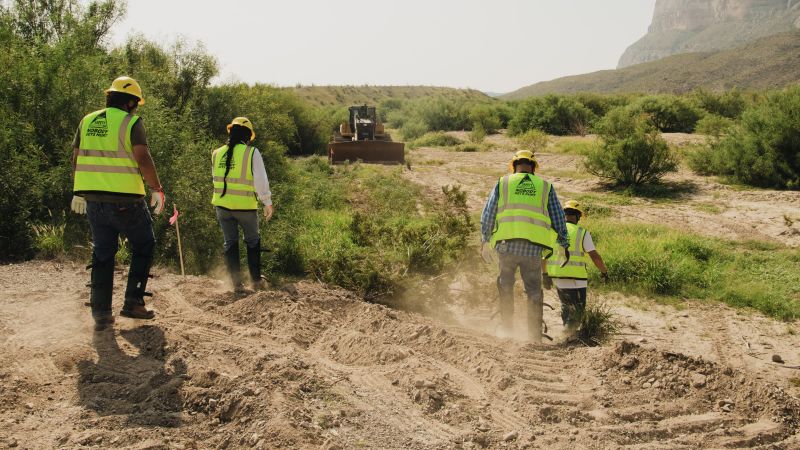
Despite this, bulldozers have begun clearing trails and roads through the park, preparing for what could become one of the most significant transformations in the region’s history. US Customs and Border Protection has clarified that the planned infrastructure will differ from the towering thirty-foot barriers visible in Arizona, California, New Mexico, and other parts of Texas. Nevertheless, critics argue that the scope of work remains substantial and potentially devastating to the ecosystem.
Local Voices Express Heartbreak and Concern
Sheriff Thaddeus Cleveland of Terrell County, a sprawling and sparsely populated region northeast of the park, has watched these changes unfold with growing unease. Having served twenty-six years in the US Border Patrol, Cleveland recalls a time when the need for additional infrastructure in his home region was virtually unheard of.
“We didn’t have to worry about any type of barrier. We had a God-made barrier,” Cleveland said, reflecting on the natural defenses that Big Bend has provided for generations.
He noted that the landscape of border management has shifted dramatically. “But that’s definitely changed,” he added, acknowledging the transformation underway.
Photographer Documents the Transformation
Natalie Newman, a photographer with deep ties to Big Bend, has been documenting the changes as they unfold. Her commitment to the region deepened in February when then-Secretary of Homeland Security Kristi Noem waived several federal laws governing environmental safety, historic preservation, and wildlife protection. Noem cited “an acute and immediate need to construct additional physical barriers and roads” in the Big Bend region as justification for the waivers.
Newman initially came to Big Bend to capture its natural beauty. “It started out as just documenting the beauty of it, trying to get people to see why it’s special and what makes it special and what makes it so beautiful and worth protecting,” she explained. Standing near Santa Elena Canyon, where cliffs rise nearly fifteen hundred feet above the Rio Grande, she described how her mission evolved. “But that has transformed just over the last week.”
“More than anything else, I feel heartbreak over all of this,” Newman said, describing her emotional response to watching bulldozers work in an area she had long considered pristine.
Today, when Newman raises her binoculars to the horizon, she is more likely to track the progress of road clearing than to observe the hundreds of bird species that inhabit the park. She remains hopeful, however. “I’m hopeful every single day that it’ll be the day that someone somewhere does something that puts a stop to it,” she said.
A Historic Precedent for Environmental Loss
Bob Krumenaker, a retired park superintendent, sees parallels between what may happen in Big Bend and a pivotal moment in American conservation history. He referenced the flooding of Hetch Hetchy Valley a century ago, an event that fundamentally altered public discourse about preserving natural landscapes.
“If they continue with this and build most of the things they have talked about, or even a good fraction of those, this will be the biggest desecration of the national park system — not just Big Bend National Park — since they built a dam in a pristine valley in Yosemite National Park more than 100 years ago,” Krumenaker told CNN. “This is a story that our children and grandchildren will be telling.”
The $1.72 billion budgeted for the main construction project inside Big Bend National Park represents more than just infrastructure. It signals a commitment to reshaping a landscape that has remained relatively untouched for thousands of years. The Chihuahuan desert, of which Big Bend is a part, stands as the largest such ecosystem in North America, encompassing both state and federal lands alongside nature preserves across the border.
As bulldozers uproot trees and shovel dirt while wild animals trot past, the question remains whether this remote desert wilderness will emerge from the development intact or forever altered. The answer may well define how Americans view the balance between border security and environmental preservation for generations to come.
Related Reading
Frequently Asked Questions
What is Bulldozers rip into Big Bend National?
Bulldozers rip into Big Bend National is the main topic of this guide. The article explains the context, practical details, and next steps readers should understand.
Why does Bulldozers rip into Big Bend National matter?
Bulldozers rip into Big Bend National matters because readers are looking for a useful answer, not just a short summary. Good content should match search intent and help them decide what to do next.