
Can Pancreatic Cancer Be Cured? Latest Breakthroughs & Hope for Patients
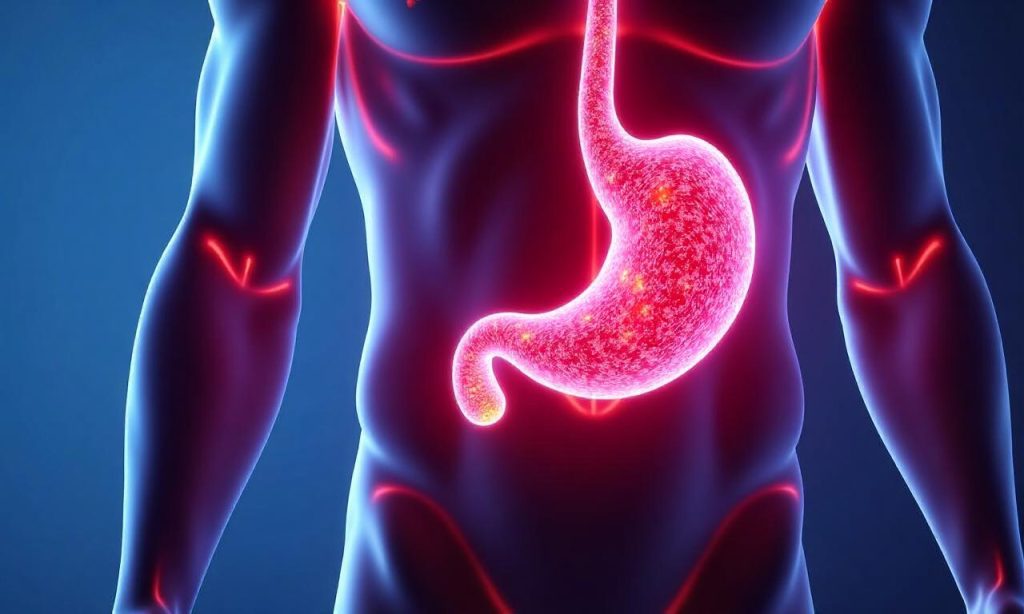
Pancreatic cancer remains one of the most challenging malignancies to treat, with its high mortality rate and often late detection. Despite advancements in medical science, the question of pancreatic cancer cure continues to captivate researchers, patients, and families affected by this aggressive disease. Early diagnosis and effective treatment options are critical in improving survival rates, yet many patients face a grim prognosis. However, recent years have brought promising developments in the fight against pancreatic cancer. From groundbreaking research in immunotherapy to innovative surgical techniques, the medical community is exploring new pathways toward a pancreatic cancer cure. This article delves into the current state of pancreatic cancer, recent breakthroughs, and the growing hope for patients who may soon see a pancreatic cancer cure become a reality.
Current Challenges of Pancreatic Cancer
Pancreatic cancer is often referred to as a “silent killer” due to its tendency to progress rapidly without noticeable symptoms until it reaches advanced stages. This makes early detection difficult, as many cases are diagnosed only after the cancer has spread to other parts of the body. According to the American Cancer Society, the five-year survival rate for pancreatic cancer is among the lowest of all cancers, hovering around 10%. The disease’s complexity lies in its location—situated deep within the abdomen, the pancreas is hard to access, complicating both diagnosis and treatment. The pancreas plays a vital role in digestion and insulin regulation, which is why its dysfunction can lead to severe health complications. Traditional treatment approaches, such as surgery, chemotherapy, and radiation therapy, have shown some success in early-stage cases but often fall short when the cancer is advanced. Even with aggressive treatments, the survival rate remains disheartening. This has led many to question whether a pancreatic cancer cure is possible, or if we are only managing the disease rather than eliminating it.
Latest Breakthroughs in Pancreatic Cancer Research
Recent years have seen a surge in research focused on understanding pancreatic cancer at a molecular level. Scientists are now exploring targeted therapies that attack specific genetic mutations driving the disease. One such breakthrough involves the development of pancreatic cancer cure candidates based on immunotherapy. This approach harnesses the body’s immune system to identify and destroy cancer cells.
Targeted Therapies and Genetic Insights
A key development in this field is the identification of genetic markers linked to pancreatic cancer. Mutations in genes like BRCA1, BRCA2, and KRAS are now being studied for their role in cancer progression. For example, patients with BRCA mutations may benefit from PARP inhibitors, a class of drugs that have shown promise in other cancers. These therapies are tailored to individual patient profiles, offering more precise and effective treatment options.
Another milestone is the use of CAR-T cell therapy, a revolutionary immunotherapy that modifies a patient’s own T cells to target cancer cells. While still in clinical trials, early results suggest that this method could be a pancreatic cancer cure for certain subtypes. Researchers are also investigating the role of microRNAs in cancer development, which could lead to new diagnostic tools and targeted treatments.
Advances in Early Detection
Early detection is crucial for improving outcomes, and recent breakthroughs in liquid biopsies are changing the game. These non-invasive tests analyze circulating tumor DNA (ctDNA) in the blood, allowing doctors to detect pancreatic cancer at an earlier stage. This technology has the potential to save lives by identifying the disease before it spreads.
Studies using AI-powered imaging have also improved the accuracy of diagnosing pancreatic tumors. Machine learning algorithms can analyze medical scans faster and more precisely, reducing the chances of missing subtle signs of the disease. Combined with genetic testing, these tools may enable earlier intervention, which is a critical step toward a <strong>pancreatic cancer cure</strong>.
Innovative Treatment Options for Patients
While traditional therapies remain essential, newer treatment modalities are expanding the possibilities for pancreatic cancer cure. One such approach is precision medicine, which uses genetic and molecular data to create personalized treatment plans. This method has shown promising results in clinical trials, particularly for patients with specific genetic profiles.
Combination Therapies and Clinical Trials
Combination therapies, which use multiple treatment methods together, are gaining traction. For instance, chemotherapy paired with immunotherapy has demonstrated improved responses in some patients. These trials are critical in determining whether a <strong>pancreatic cancer cure</strong> can be achieved through integrated approaches.
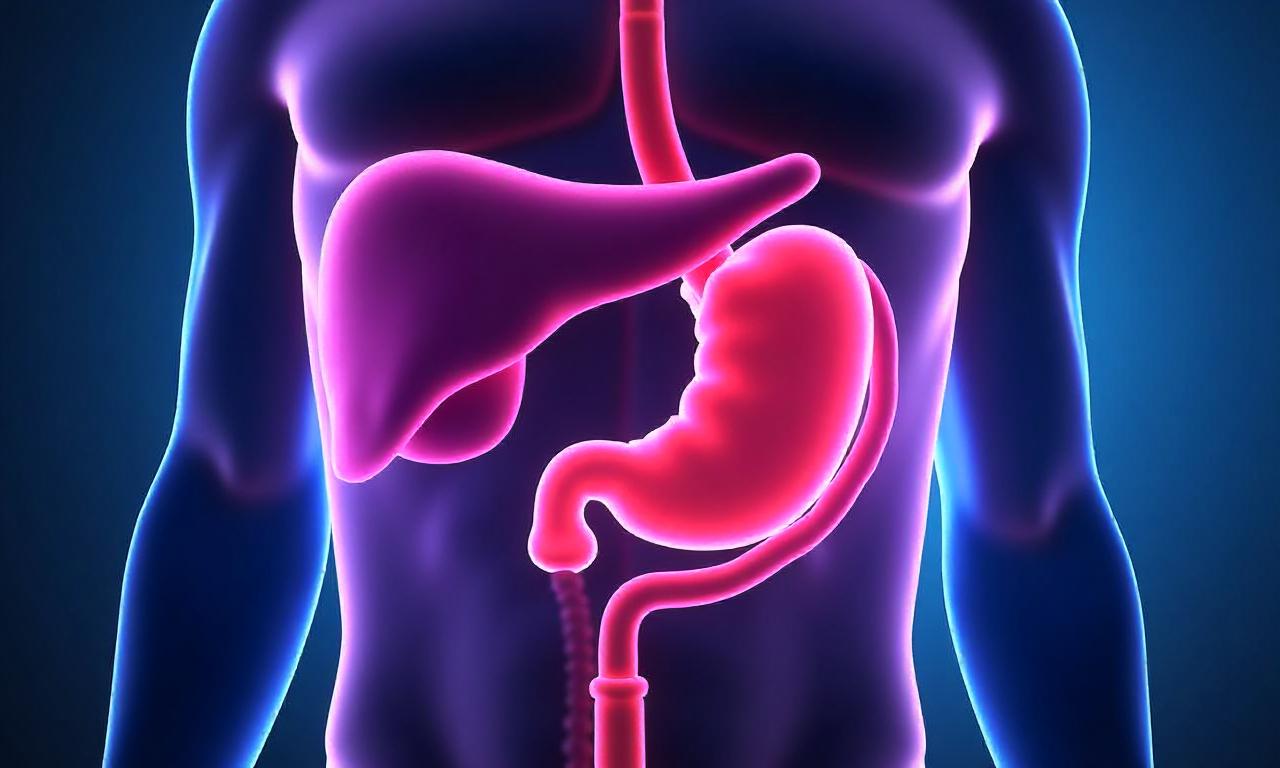
Another emerging strategy is oncolytic virus therapy, which uses modified viruses to target and destroy cancer cells. These viruses can replicate within tumor cells, causing them to burst and release cancer antigens, which stimulate the immune system. While this method is still experimental, it has shown potential in shrinking tumors and extending survival in early-stage cases.
Surgical Innovations and Minimally Invasive Techniques
Surgical removal of the tumor is the only way to potentially achieve a pancreatic cancer cure, but traditional surgery often has limited success due to the cancer’s location and spread. Recent innovations, such as robot-assisted surgery and image-guided procedures, are improving the precision and effectiveness of resections. These techniques allow surgeons to remove tumors with greater accuracy, reducing complications and increasing the chances of long-term survival.
Additionally, pancreaticoduodenectomy (Whipple procedure) has been refined to minimize recovery time and enhance patient outcomes. For patients with localized disease, these surgical advancements offer renewed hope for a <strong>pancreatic cancer cure</strong>.
The Road to a Pancreatic Cancer Cure
The journey toward a pancreatic cancer cure is ongoing, but several promising avenues are being explored. One such area is cancer vaccine development, which aims to stimulate the immune system to recognize and attack pancreatic cancer cells. Early-stage vaccines are currently in clinical trials, and their success could mark a significant step toward a <strong>pancreatic cancer cure</strong>.
Potential Role of Stem Cell Therapy
Stem cell therapy is another frontier in the search for a pancreatic cancer cure. Researchers are investigating how stem cells can be used to regenerate healthy pancreatic tissue or enhance the body’s immune response. This approach may offer a way to not only treat the disease but also restore normal organ function in affected patients.
The Power of Collaboration and Global Efforts
Global collaboration among researchers, hospitals, and pharmaceutical companies is accelerating progress. International clinical trials are pooling data and resources to test new treatments on a larger scale. By sharing insights and breakthroughs, the medical community is working toward a <strong>pancreatic cancer cure</strong> that benefits patients worldwide.
Moreover, AI and big data analytics are playing a pivotal role in identifying patterns and predicting treatment responses. These technologies are helping to streamline research and bring new therapies to patients faster. As these innovations evolve, they could pave the way for a <strong>pancreatic cancer cure</strong> that is both effective and accessible.
Conclusion
The quest for a pancreatic cancer cure is no longer just a dream—it is a tangible goal being pursued with cutting-edge research and innovative therapies. While challenges remain, the progress made in immunotherapy, early detection, and surgical techniques is offering patients new hope. With continued investment and collaboration, the future may hold a <strong>pancreatic cancer cure</strong> that transforms the landscape of this deadly disease. The journey is complex, but every breakthrough brings us closer to a world where pancreatic cancer is no longer a death sentence.
