
FAA orders inspection of hundreds of 737 Max jets for cracks
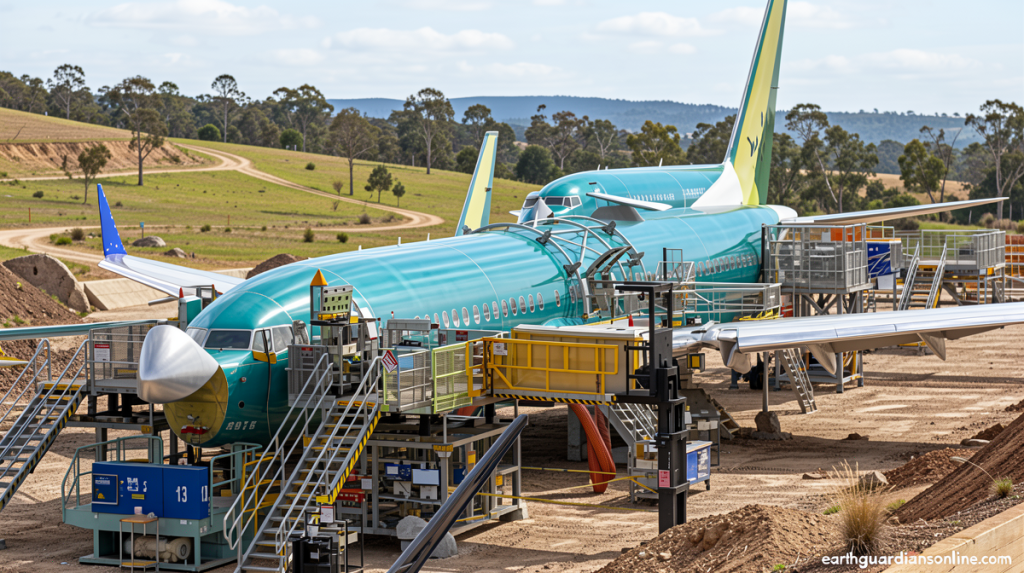
Boeing 737 Max Fleet Faces Crack Inspections Following FAA Directive
Earthguardiansonline.com – The Federal Aviation Administration has issued a comprehensive inspection mandate targeting hundreds of Boeing 737 Max aircraft currently operating across the United States. This new directive addresses concerns about structural cracks that could potentially compromise the safety and integrity of these popular commercial jets. The regulatory body emphasized that failing to identify and repair these defects could weaken the overall framework of the aircraft during flight operations.
Scope of the Inspection Order
The airworthiness directive encompasses approximately 471 aircraft registered in the United States. This fleet includes multiple variants of the 737 Max family, specifically the Max 8, Max 9, and the newer Max 8-200 models. Each of these aircraft types requires careful examination of specific structural components to ensure passenger safety remains uncompromised.
The cracks have been identified in a critical reinforcement area located near the forward service door on the right-hand side of the aircraft. This particular section sits adjacent to the front galley, making it a frequently accessed area during normal flight operations. The location of these fissures suggests that repeated stress from door operations and cabin pressurization cycles may contribute to the development of structural weaknesses over time.
Operational Requirements for Airlines
Commercial carriers operating the affected fleet must implement inspection protocols tailored to each individual aircraft’s operational history. The frequency of examinations depends on how heavily each plane is utilized, with more active aircraft requiring more frequent checks. Any aircraft displaying cracks must undergo repairs before being cleared for passenger service once again.
Boeing has already modified its production procedures to prevent similar issues in newly manufactured aircraft. These manufacturing adjustments aim to address the root causes of the cracking problem before planes leave the factory floor. The company has been contacted for additional details regarding these improvements and their implementation timeline.
Why Grounding Was Not Required
Despite the discovery of structural cracks, the FAA determined that immediate grounding of the affected fleet was unnecessary. The agency explained that the scheduled inspection intervals provide multiple opportunities to identify cracks before they reach critical levels that could threaten the airplane’s structural integrity. This measured approach allows airlines to continue operations while ensuring thorough monitoring of the affected aircraft.
The directive officially takes effect on September 10, giving carriers adequate time to prepare their inspection schedules and allocate necessary resources. This timeline balances urgency with practical considerations for maintaining normal flight operations across the network.
Context Within Boeing’s Recent Challenges
This crack inspection order follows closely on the heels of another FAA proposal issued last month. That separate directive would require inspections of seat assemblies on 453 Boeing 737 Max jets, addressing concerns about potentially incorrect installations during manufacturing. Together, these two initiatives highlight ongoing regulatory scrutiny of Boeing’s production quality and safety standards.
Boeing has faced intensified examination since a dramatic incident in January 2024 involving an Alaska Airlines aircraft. During that event, a door plug unexpectedly detached from the fuselage while the plane was in flight, causing significant concern among passengers and aviation authorities alike. Subsequent investigation by the National Transportation Safety Board revealed that four bolts designed to secure the door plug were missing when the aircraft was delivered to the airline in October 2023.
Implications for the Aviation Industry
The combined effect of these directives demonstrates the FAA’s commitment to proactive safety measures rather than reactive responses. By ordering inspections before cracks become critical, the agency aims to prevent potential incidents while minimizing disruption to air travel. Airlines must now balance operational efficiency with the additional time and costs associated with comprehensive inspections and repairs.
Passengers flying on affected aircraft should expect to see maintenance crews conducting thorough examinations of the relevant structural areas. The inspection process involves detailed visual checks and potentially more advanced testing methods to detect even small cracks that might not be visible to the naked eye. Any aircraft found with significant damage will remain on the ground until proper repairs are completed and verified by qualified inspectors.
The situation also underscores the importance of continuous monitoring throughout an aircraft’s service life. Even well-designed structures can develop weaknesses over time due to various factors including material fatigue, environmental conditions, and operational stress. Regular inspections serve as an essential safeguard against unexpected failures that could endanger passengers and crew members.
Related Reading
Frequently Asked Questions
What is FAA orders inspection of hundreds of 737?
FAA orders inspection of hundreds of 737 is the main topic of this guide. The article explains the context, practical details, and next steps readers should understand.
Why does FAA orders inspection of hundreds of 737 matter?
FAA orders inspection of hundreds of 737 matters because readers are looking for a useful answer, not just a short summary. Good content should match search intent and help them decide what to do next.
