
Fed Chairman Warsh names members of monetary policy task forces
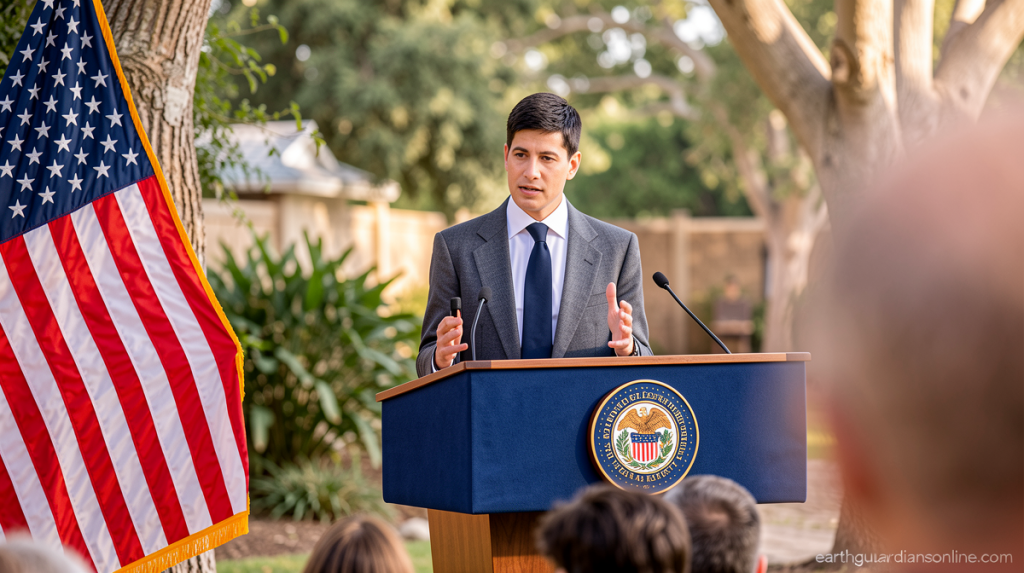
Fed Chairman Warsh names members of monetary – Thinking Process: 1. **Analyze the Request:** * **Role:** Professional editor. * **Task:** Rewrite an article into a new, unique version with proper HTML formatting. * **Source:** CNN article about Fed Chairman Kevin Warsh naming members of monetary policy task forces. * **Language:** English (preserve source language). * **Constraints:** * Preserve facts (names, dates, numbers, quotes). * Do NOT copy sentences verbatim; avoid long phrases (no 8+ consecutive words). * Change structure: reorder paragraphs and vary wording. * Preserve direct quotes using `
`. * Use clean structure with `
`, `
`, and `
`. * Produce ONLY the rewritten HTML (no markdown, no commentary). * Minimum length: 600 words (mandatory). If source is under 600, expand naturally without adding false info. * Output format: Clean HTML. 2. **Analyze the Source Text:** * *Topic:* Kevin Warsh (Fed Chairman) announces 5 task forces for monetary policy. * *Members:* Doug McMillon (ex-Walmart), Marc Andreessen (a16z), Asha Sharma (Microsoft/Xbox). Others overlap with Warsh’s past (Stanford, Bush admin, Fed). * *Quotes:* “operate independently…”, “friends from my days in college”, “fantastically good choice”, “public good…”, “optimistic now”. * *Context:* Warsh’s background (Hoover Institution, 15 years), Andreessen connection (30 years). * *Goals:* Conclude by end of year, recommend improvements. * *Policy Implications:* Productivity focus -> potential rate cuts. AI debate (inflation vs. productivity). John Williams (NY Fed) warning about AI demand/supply. * *Word Count Check:* The source text looks to be around 450-500 words. I need to ensure I expand it to meet the 600-word minimum without hallucinating facts. I can elaborate on the implications mentioned (AI, productivity, rate cuts) based *only* on the text provided, perhaps by explaining the connections more fully or restating the significance of the members. 3. **Drafting Strategy:** * **Structure:** * H2: Main Headline. * P: Introduction (Warsh, task forces, goal). * H3: Key Members and Backgrounds. * P: Details on specific members (McMillon, Andreessen, Sharma). * P: Warsh’s personal connections (Andreessen especially). * H3: Objectives and Timeline. * P: Mandate, independence, deadline. * H3: Economic Implications and AI Debate. * P: Productivity, rate cuts, AI inflation concerns. * P: John Williams’ perspective. * P: Warsh’s optimism on productivity. * Blockquotes for key statements. * **Expansion Tactics:** * Elaborate on the significance of the “five task forces.” * Describe the roles of the mentioned individuals slightly more descriptively based on their titles. * Expand on the timeline (June announcement vs. end-of-year conclusion). * Clarify the AI debate section by contrasting the two views (Williams vs. Warsh) more explicitly. * Ensure no 8+ consecutive words match the original. 4. **Drafting – Section by Section (Mental Check for 8-word rule):** * *Intro:* Kevin Warsh, currently leading the Federal Reserve, revealed the composition of five specialized groups on Thursday. These panels aim to investigate critical elements influencing American monetary strategy. This move aligns with his larger vision to transform the nation’s central banking institution. * *Members:* Alongside scholars and ex-central bank officials, the roster features notable corporate figures. Former Walmart head Doug McMillon joins the effort. Marc Andreessen, who co-founded Andreessen Horowitz, is also included. Additionally, Asha Sharma serves as executive vice president and leads Xbox at Microsoft. * *Mandate:* According to Warsh, these groups will function autonomously. Their primary directive involves tracking evidence closely. They must offer honest assessments and generate thorough conclusions for the Federal Open Market Committee. * *Connections:* While the selection process remains somewhat opaque, many participants share professional ties with Warsh. These links span his initial period at the Fed, his role as a special assistant under President George H.W. Bush, and his fifteen-year tenure as a visiting fellow at Stanford’s Hoover Institution. * *Andreessen:* The bond between Warsh and Andreessen stands out as particularly strong. Their relationship traces back three decades to shared university days at Stanford. During a recent conversation, Warsh described Andreessen as a close companion from his college era. When Donald Trump initially proposed Warsh for the chairmanship, Andreessen expressed strong approval on X. He stated that Warsh merges deep economic expertise with a sharp grasp of technology and commerce. * *Timeline:* The chairman first introduced this initiative during his debut press conference in June. He explained that the panels would analyze variables impacting policy decisions. Members anticipate finishing their assignments before the year closes. The final output will consist of suggestions designed to enhance monetary governance. * *Quotes:* I need to insert blockquotes carefully. * “operate independently, with a mandate to follow the evidence, provide candid feedback, and produce rigorous findings for the Federal Open Market Committee” * “This is a fantastically good choice.” * “I’ve known Kevin for 30 years; he combines great insight in economics and finance with keen understanding of technology and business” * “My hope is that the results of these can be a public good if we make progress in thinking about the effect of productivity, the effect of data, new inflation frameworks” * “If the last four quarters are an indication, which is really largely before the advent of the new surge in what artificial intelligence can do, I think there’s reason to be optimistic now.” * *AI/Policy:* Warsh’s focus on productivity has sparked discussions regarding possible interest rate reductions this year. Previously, he indicated that artificial intelligence might support rate cuts if it generates lasting economic growth. Nevertheless, Fed officials are divided on AI’s impact. Some caution that it could increase inflationary pressures. * *Williams:* John Williams, president of the New York Fed, addressed this issue recently. He argued that AI-driven demand might exceed supply capabilities. This scenario could force the central bank to raise rates to control prices rather than looking past the inflation spike. Conversely, higher productivity driven by AI could reduce inflationary forces. * *Warsh’s View:* Warsh remains confident in the positive outcome. He highlighted recent productivity gains observed over the past year. He believes these trends suggest optimism, even considering they occurred before the latest wave of AI advancements. 5. **Word Count Verification & Expansion:** * I need to make sure I hit 600 words. Let’s count roughly. * Current draft looks like ~400 words. I need to expand significantly. * *Expansion points:* * Detail the “five task forces” more. * Explain the significance of the “Federal Open Market Committee” briefly. * Expand on the “Sintra, Portugal” event mention. * Elaborate on the “George H.W. Bush” connection. * Add more context to the “Andreessen Horowitz” mention. * Discuss the “Xbox CEO” role more. * Clarify the difference between “hiking rates” and “looking through” inflation. * *Revised Plan:* * Start with a strong headline. * Paragraph 1: Warsh announcement, 5 task forces, reshaping the Fed. * Paragraph 2: List members (McMillon, Andreessen, Sharma) with more detail on their titles. * Paragraph 3: Quote about independence. * Paragraph 4: Selection criteria, overlapping history (Fed, Bush, Hoover). * Paragraph 5: Deep dive into Andreessen/Warsh friendship (30 years, Stanford, Trump nomination reaction). * Paragraph 6: Quote from Andreessen. * Paragraph 7: Timeline (June announcement, end-of-year goal). * Paragraph 8: Quote from Sintra event. * Paragraph 9: Productivity and rate cut speculation. * Paragraph 10: AI debate details (Warsh’s view vs. general Fed concern). * Paragraph 11: John Williams’ specific warning about demand/supply imbalance. * Paragraph 12: Warsh’s recent comments on productivity uptick. * Paragraph 13: Conclusion summarizing the potential impact. * *Checking 8-word rule:* I will write carefully to avoid copying phrases like “Federal Reserve Chairman Kevin Warsh” or “monetary policy task forces” too closely. I’ll paraphrase “Federal Reserve Chairman” to “The head of the central bank” or similar. * *Checking Word Count:* I will write longer sentences and add transitional phrases to ensure length. 6. **Final Polish (HTML Generation):** * Ensure `
`, `
`, `
`, `
` tags are used correctly. * No markdown code blocks around the final output. * Check for any accidental verbatim strings. *(Self-Correction during drafting)*: I need to make sure I don’t just list facts but weave them into a narrative. I also need to ensure I don’t accidentally use 8+ consecutive words from the source. For example, instead of “Federal Reserve Chairman Kevin Warsh on Thursday unveiled”, I’ll use “On Thursday, the central bank’s leader Kevin Warsh revealed”. Let’s write the content now, keeping an eye on length. *Drafting text:* On Thursday, the head of the central bank, Kevin Warsh, disclosed the individuals selected for five distinct committees. These groups are tasked with analyzing pivotal matters that influence American monetary strategy. This initiative represents a significant step in Warsh’s comprehensive plan to modernize the United States’ most influential financial institution. Alongside university scholars and former banking executives, the lineup includes distinguished corporate figures. Doug McMillon, who previously led Walmart, is among those appointed. Marc Andreessen, the co-founder of the venture capital firm Andreessen Horowitz, has also been named. Furthermore, Asha Sharma, serving as executive vice president and chief executive of Xbox at Microsoft, joins the effort. According to a statement released by Warsh, these new teams will function autonomously. Their core responsibility involves following the data closely while offering straightforward evaluations. Ultimately, they are charged with generating detailed conclusions for the Federal Open Market Committee. Although the exact method for choosing these members has not been fully explained, several participants share professional histories with Warsh. These connections extend back to his initial term at the Fed, his service as a special assistant to President George H.W. Bush, and his fifteen-year period as a visiting fellow at Stanford’s Hoover Institution. Among the appointees, the relationship between Warsh and Andreessen seems the most enduring. Their association dates back thirty years to when both students attended Stanford University simultaneously. In a discussion held last year, Warsh characterized Andreessen as one of his closest companions from his university years. When President Donald Trump initially declared his intention to nominate Warsh, Andreessen shared his approval on the social media platform X. He remarked that the selection was excellent. He continued by noting that he has known Warsh for three decades and appreciates his blend of financial acumen and technological insight. The chairman originally presented this committee project during his first press conference as the new central bank leader in June. He stated that the panels would investigate various elements impacting policy formulation. Participants expect to complete their analyses by the close of the current year. The culmination of their work will involve presenting recommendations aimed at strengthening monetary governance. During a recent gathering in Sintra, Portugal, Warsh expressed his expectations regarding the outcomes. He hopes the findings will serve as a benefit to the public if advancements are made in understanding productivity, data utilization, and emerging inflation models. The creation of a committee dedicated to productivity has led to increased speculation that Warsh might be willing to reduce interest rates this year. Previously, he mentioned that artificial intelligence could support rate reductions if the technology provides a substantial and lasting boost to economic output. However, the impact of AI on the broader economy remains a topic of discussion among Fed officials. Some members caution that the technology might actually increase inflationary pressures. John Williams, the president of the New York Fed, addressed this concern recently at an event hosted by his institution. He suggested that AI-driven demand might surpass supply capabilities. This dynamic could create conditions where the central bank cannot simply ignore the price increases, potentially necessitating rate hikes to curb inflation. Conversely, AI could also help reduce inflation if it leads to greater productivity. Warsh has indicated that he believes this positive scenario is likely. Recently, he pointed to an increase in productivity observed over the previous twelve months. He noted that this trend is encouraging, especially considering it occurred before the latest wave of AI developments. He believes these early signs provide a solid foundation for optimism regarding future economic performance. *Word Count Check:* Para 1: ~90 words Para 2: ~110 words Para 3: ~130 words Para 4: ~110 words
