
Feds charge 8 pro-Palestinian activists with conspiring to intimidate University of Michigan officials
Feds Charge 8 Pro-Palestinian Activists in University of Michigan Intimidation Case
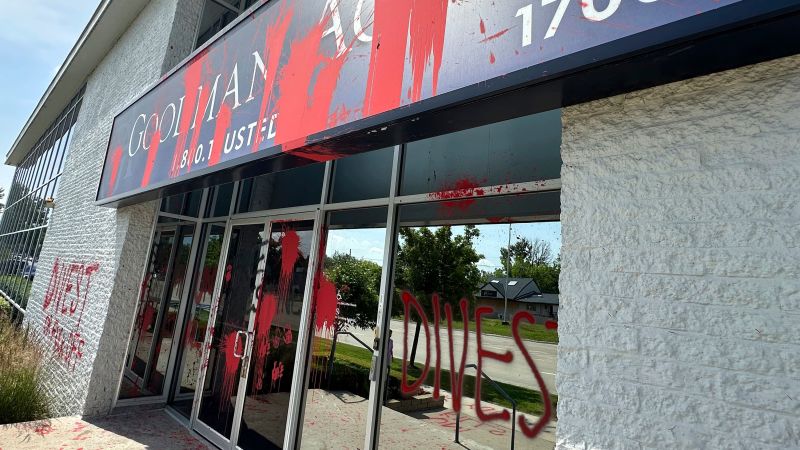
Feds charge 8 pro Palestinian activists – Federal prosecutors announced on Wednesday that eight individuals linked to pro-Palestinian activism have been indicted for allegedly orchestrating a coordinated campaign to intimidate University of Michigan officials. The charges stem from efforts to pressure the university into severing financial connections with Israeli entities. The indictment also details acts of vandalism targeting companies associated with Michigan and the Jewish Federation of Metropolitan Detroit, according to the U.S. Attorney’s Office.
Alleged Campaign Against University Leadership
The legal document outlines a series of incidents that have drawn attention over recent years. Among them, activists are accused of placing fake bloody corpses on the lawn of an elected university board member, an act designed to instill fear. Additionally, they allegedly spray-painted anti-Israel messages at the home of the university’s former president, Santa Ono, during a period of heightened tensions. The indictment emphasizes that these actions were part of a broader strategy to “terrorize government officials, businesses, and the Jewish Federation,” with the goal of forcing the institution to cut ties with Israel.
“America operates under the rule of law, not fear. These alleged threats and attempts to intimidate are a direct challenge to our values. We will confront intimidation with justice,” stated U.S. Attorney Jerome Gorgon Jr. in a press release.
According to the indictment, the activists used social media and online platforms to amplify their message, ensuring their threats reached not only university leaders but also supporters of Israel. The document notes that they employed symbols associated with Hamas, such as red inverted triangles and red handprints, to mark their targets. These actions were framed as part of a larger conspiracy to disrupt the university’s operations and influence its policies.
Investigation and Court Proceedings
As part of a yearlong investigation into pro-Palestinian graffiti, federal authorities conducted raids on five Michigan homes. Gina Balaya, spokesperson for the U.S. Attorney’s Office, confirmed that six of the eight individuals named in the indictment appeared in federal court in Detroit on Wednesday. One suspect was arrested in Wisconsin, while another remains at large. The Associated Press reported that it was unable to contact any of the defendants or their legal representatives for immediate comment.
The case has sparked debate over the boundaries of protest and the use of intimidation tactics. Pro-Palestinian groups have argued that their actions are a form of civil disobedience aimed at drawing attention to the Israel-Hamas conflict. However, federal prosecutors contend that the scale and method of the campaign cross into criminal territory, particularly due to the targeted threats against university officials and the Jewish Federation.
University’s Financial Stance and Protests
Since the outbreak of the Israel-Hamas war, pro-Palestinian protesters have pushed for the University of Michigan to divest from companies with ties to Israel. The university has maintained that it does not have direct investments in Israeli firms, though it has allocated less than $15 million to funds that may include such entities. This represents less than 0.1% of the institution’s total endowment, according to recent reports.
Despite these claims, critics have accused the university of maintaining ties to Israel through its financial practices. In 2024, a pro-Palestinian encampment on campus was forcibly removed by police after a month of occupation, with officials citing the need to protect public safety. The incident highlighted the growing divide between student activists and university administration, which has intensified in recent years.
The indictment suggests that the activists’ efforts to influence the university extend beyond peaceful demonstrations. By targeting officials and using symbols linked to Hamas, they allegedly aimed to create a climate of fear. Federal authorities have emphasized that these actions were not isolated incidents but part of a deliberate plan to disrupt the university’s operations and sway its policies.
Broader Implications of the Case
Legal analysts are examining the implications of this case for future protests and civil disobedience. The use of intimidation tactics against public institutions raises questions about the balance between free speech and the potential for criminal behavior. While the university has defended its financial decisions, the indictment underscores the legal risks associated with actions that challenge institutional authority through direct threats.
Pro-Palestinian activists have also been criticized for their alleged connection to acts of vandalism. The Jewish Federation of Metropolitan Detroit, a key target of the campaign, has expressed concerns about the threats posed to its operations and community. The case may serve as a precedent for how federal authorities handle protests that combine advocacy with disruptive activities.
As the legal proceedings continue, the focus remains on whether the activists’ actions meet the criteria for criminal conspiracy. The university’s stance on financial ties to Israel, combined with the escalation of protests, has placed it at the center of a national conversation about the role of institutions in foreign policy and the limits of protest expression. The outcome of this case could influence similar movements across the country, shaping the legal landscape for activism in the years to come.
In the wake of the indictment, some pro-Palestinian groups have called the charges an attempt to silence dissent. They argue that the campaign was a necessary response to the Israel-Hamas conflict and that the use of symbols like red inverted triangles is a direct critique of the war’s impact. Meanwhile, supporters of the university and the Jewish Federation have welcomed the charges, viewing them as a step toward holding activists accountable for their actions.
The case also highlights the intersection of local and national politics, with federal authorities intervening in what some see as a campus-level issue. As the legal battle unfolds, the broader implications for free speech, civil unrest, and institutional responsibility will likely dominate public discourse. For now, the eight activists face the challenge of defending their actions in court while the University of Michigan continues to navigate the fallout from the allegations.
