
Former Wisconsin judge spared prison for obstructing ICE arrest of Mexican immigrant
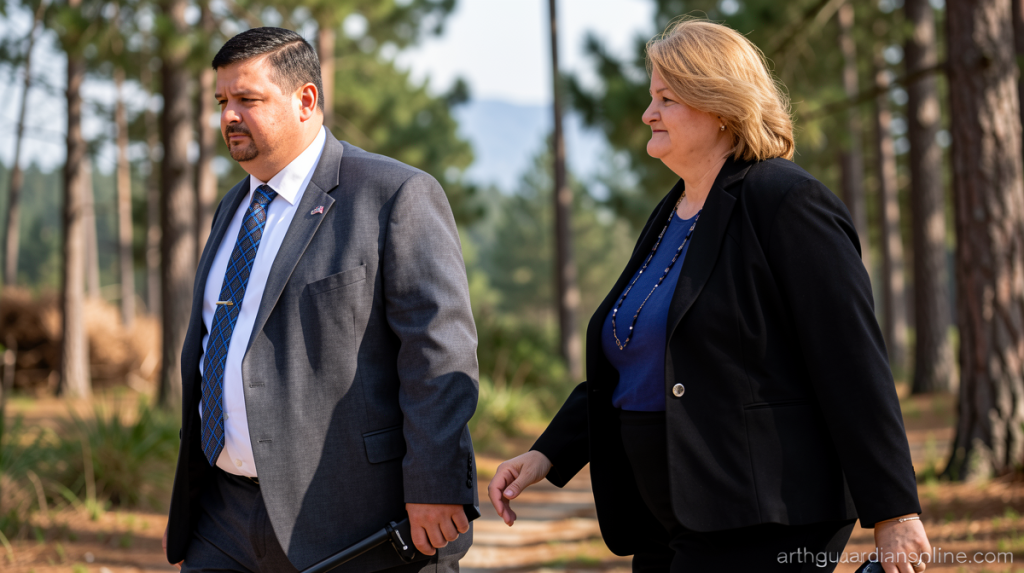
Wisconsin Magistrate Avoids Incarceration After Helping Immigrant Evade Federal Officers
On Wednesday, a federal magistrate in Wisconsin decided against sending former judge Hannah Dugan to prison for her role in helping a Mexican national escape from immigration enforcement officials. The 67-year-old judicial officer received a $5,000 penalty instead, with the court acknowledging her generally compliant history when determining the appropriate punishment.
Dugan faced felony obstruction charges after the April 2025 incident, ultimately being found guilty in December. Her legal team presented arguments suggesting that the Trump administration pursued aggressive action against her to demonstrate compliance with federal immigration enforcement priorities. According to her attorneys, officials wanted to send a message about how judges should handle immigration cases.
Resignation and Political Fallout
During January, Dugan stepped down from her position as Milwaukee County circuit judge, a role she had occupied for nine years. Her departure came amid mounting pressure from Republican legislators who threatened impeachment proceedings, characterizing her as an activist magistrate. In her written resignation, she expressed concern that her legal troubles could undermine judicial independence.
Republican Representative Tom Tiffany, a prominent Trump supporter currently campaigning for Wisconsin governor, took to social media to demand harsher consequences. He called for authorities to imprison Dugan following her conviction.
Support from Legal Scholars
Two professors from Marquette University’s law school testified on Dugan’s behalf during sentencing proceedings. One was a former Wisconsin Supreme Court justice, while the other, Jesuit priest Gregory O’Meara, delivered a statement praising her character.
“Hannah models what it means to be a Christian,” Gregory O’Meara said during his testimony.
O’Meara further expressed his belief that punishment was unnecessary given Dugan’s service to marginalized communities.
The Courtroom Incident
The events unfolded on April 18, 2025, when immigration officers arrived at the Milwaukee County courthouse after discovering that Eduardo Flores-Ruiz, age 31, had returned to the United States without authorization. Flores-Ruiz was scheduled to appear before Dugan for a state battery case hearing.
Outside her courtroom, Dugan confronted the federal agents and instructed them to visit the chief judge’s office, arguing that their administrative warrant lacked sufficient authority to detain Flores-Ruiz. Once the officers departed, she guided both the defendant and his legal representative through a private jury exit. However, immigration personnel spotted Flores-Ruiz walking through the hallway, pursued him outdoors, and apprehended him following a brief foot chase.
Dugan herself was taken into custody by FBI agents one week later inside the courthouse, where she was handcuffed and escorted outside.
Sentencing Decision
During her address to the court, Dugan explained that her actions stemmed from a desire to preserve courtroom order and safety rather than any malicious intent.
“I have been cast as both a scofflaw and a hero. I am neither. I am a public servant who’s just trying to do my job,” Dugan said, noting that threats against her and her relatives forced her retirement from public service.
US District Judge Lynn Adelman delivered the final ruling, characterizing Dugan’s behavior as a momentary departure from her otherwise exemplary record. He emphasized that her conduct lasted only a few minutes and did not ultimately prevent the arrest from occurring.
“This is a few minutes of conduct for someone who has dedicated her life to public service,” the judge explained. “It’s a marked deviation from an otherwise law-abiding life.”
While the jury convicted Dugan of felony obstruction, they found her not guilty of the misdemeanor charge for concealing someone to prevent arrest. Prosecutors had contended that she breached her judicial oath and endangered both law enforcement personnel and citizens.
“Judges are entrusted with tremendous discretion, but there is a line they cannot cross,” Executive Assistant US Attorney Richard Frohling wrote in his sentencing memorandum. “The defendant crossed that line.”
Federal sentencing recommendations suggested 15 to 21 months of incarceration, though judges retain discretion to deviate from these guidelines. Prosecutors noted that typical obstruction sentences average 16 months, though they declined to make a specific recommendation.
Dugan’s legal team maintained that she had already suffered sufficient consequences through her resignation and public scrutiny. The court ultimately determined that a fine and probation would serve as adequate punishment for her actions.
