Gene Shalit, longtime ‘Today’ show movie critic with bushy hair and massive mustache, dies at 100

Gene Shalit, Longtime ‘Today’ Show Movie Critic, Dies at 100
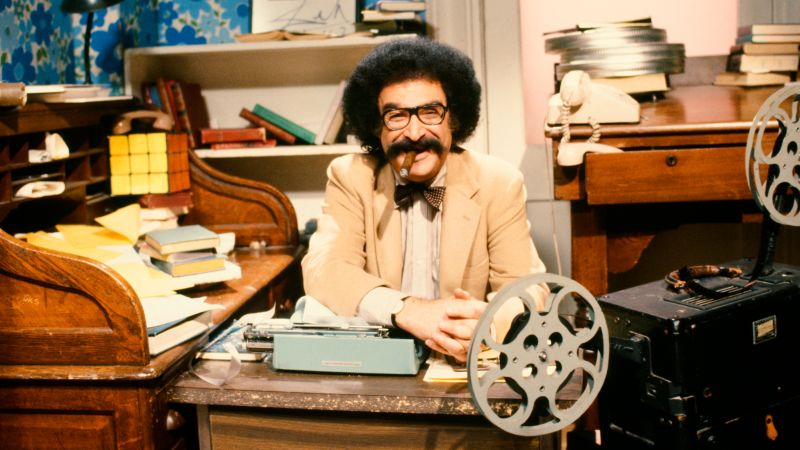
Gene Shalit longtime Today show movie – Gene Shalit, the renowned movie critic who spent over four decades offering insights on the ‘Today’ show, has passed away at the age of 100. His family confirmed the news to NBC News, stating he “passed away peacefully after a lifetime of impactful storytelling.” Shalit’s career was defined by his signature look—thick hair and a bold mustache—as well as his ability to infuse humor into serious film discussions. His critiques, often laced with wit, became a staple of morning television and reshaped how audiences viewed cinema in the early days of the medium.
A Legacy of Print and Broadcast
Shalit’s journey in media began as a columnist for McCall’s magazine, where he honed his craft before transitioning to Look magazine as its senior film critic in 1968. This reputation earned him a spot on the ‘Today’ show, initially as a guest before he was appointed arts editor in 1973. There, he launched the iconic segment “Critic’s Corner,” which became a fixture for viewers seeking sharp, accessible film reviews. His retirement in 2010 marked the end of an era, leaving behind a legacy that bridged print and broadcast criticism.
The shift from print to TV was a defining moment for Shalit. As The Plain Dealer highlighted in 2010, his work “changed the balance of critical power in America,” proving that television could rival traditional media in depth and influence. Collaborations with figures like Roger Ebert and Gene Siskel helped elevate the profile of film analysis on national platforms, while his presence on shows like “Good Morning America” further cemented his role in popularizing cinematic critique through television. Shalit’s unique brand of wit and insight made him a standout figure in the field.
Unconventional Style and Memorable Quips
Shalit’s approach to film criticism was as unconventional as his appearance. He once said, “What resonated above his unusual appearance was his incredible wit, his remarkable intelligence. But he didn’t pound you over the head with it. He amused you. He enlightened and amused whatever subject he was on,” according to his producer Guy Ludwig. This blend of humor and depth allowed him to connect with audiences, making his reviews both engaging and thought-provoking. His ability to inject levity into even the most serious topics earned him a loyal following over the years.
Among his most iconic lines was his critique of “The Men Who Stare at Goats,” which he humorously described as “heard to bleat.” He also famously quipped about “The Lovely Bones,” noting, “There’s no bones about it.” These phrases exemplified his knack for wordplay, a trait that made his reviews memorable. Even when tackling weightier films, Shalit maintained his playful tone, as seen in his praise for Steven Spielberg’s “The Color Purple,” where he declared, “It should be against the law not to see it.” His creativity and accessibility defined his career.
Shalit’s style extended beyond the ‘Today’ show. He often used vivid, unexpected metaphors to describe films, such as labeling a remake of “King Kong” as “gargantuan that I must create new words to describe it: fabularious, a brilliantological humongousness of marvelosity.” This linguistic flair underscored his commitment to making film analysis entertaining. Despite his humor, Shalit’s critiques remained grounded in insightful analysis, earning him respect across the entertainment industry.
Controversies and Cultural Impact
Shalit’s tenure on the ‘Today’ show was not without controversy. In 1993, he referred to Jake Gyllenhaal’s character in “Brokeback Mountain” as a “sexual predator,” sparking criticism from GLAAD. While he later apologized, the incident highlighted the evolving nature of film criticism and its societal influence. His ability to spark debate, even in a lighthearted manner, demonstrated his impact on cultural conversations.
Shalit’s work also touched on broader themes of media influence. The 1994 incident in St. Pete Beach, where he made a notable remark, further illustrated how his presence on television shaped public discourse. Despite occasional backlash, his contributions to film criticism were widely recognized. As a bridge between traditional print and modern TV, Shalit’s career left an enduring mark on the way audiences engage with movies today.