
Georgia school shooter Colt Gray back in court as he awaits sentencing
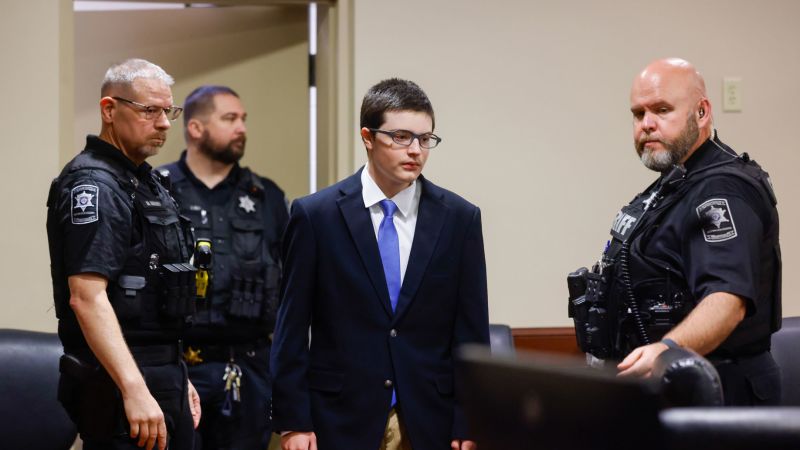
Colt Gray Returns to Courtroom as Sentencing Looms for Georgia School Shooting
Earthguardiansonline.com – The young man responsible for the tragic Apalachee High School massacre has reappeared before a judge, marking another pivotal moment in a legal process that has captivated the state. Prosecutors and defense counsel engaged in vigorous debate regarding whether rehabilitation remains possible for the teenager who took four lives during the September 2024 shooting. Gray, now 16, formally entered a guilty plea on Friday to 55 separate charges, which encompass four murder counts related to the devastating attack.
Following his admission of guilt, numerous victims’ relatives and survivors addressed the court, expressing profound grief alongside lingering anger. Many described emotional and physical wounds that continue to affect their daily lives. The multi-day proceedings resumed on Monday, featuring testimony from Dr. Kevin Richards, a forensic psychologist who conducted an extensive evaluation of Gray’s psychological condition and mindset at the time of the tragedy.
A Father’s Guilt and a Son’s Future
Before the judge imposes his sentence—which will be life imprisonment, potentially with or without parole eligibility—Gray will have the chance to speak directly to the courtroom. This hearing arrives approximately two years following what stands as Georgia’s most lethal school shooting. At just 14 years old, Gray brought an AR-15-style weapon to campus and killed teachers Richard Aspinwall and Cristina Irimie, along with students Mason Schermerhorn and Christian Angulo. Nine additional individuals sustained injuries during the attack.
Colin Gray, the shooter’s father, received a murder and manslaughter conviction in March after a jury determined he purchased the firearm for his son and failed to secure it properly despite being warned about his son’s dangerous tendencies. Colin Gray now faces numerous years behind bars and awaits his own sentencing later this week.
The father’s trial exposed significant details about Colt’s challenging upbringing. His mother battled substance abuse issues, prompting the family to relocate multiple times. Relatives described Colt’s deteriorating mental health, while educational records confirmed he missed substantial time at school, including his complete eighth-grade academic year.
Expert Analysis of the Teen’s Mental State
Dr. Richards presented his findings for the defense, explaining that Gray’s paranoia, depression, and anxiety intensified due to neglect and abuse within his home environment. Additionally, the teenager developed an intense online preoccupation with mass shooters. “He was a lonely, dysfunctional kid who was anxious, paranoid, depressed and immersed in this highly dysfunctional world with these people who were obsessed with folks who had done school shootings,” Richards explained during his testimony.
The psychologist reviewed extensive case documentation and conducted approximately 15 hours of interviews with Colt to formulate his conclusions. While detained, medical professionals diagnosed the teenager with a mood disorder featuring psychotic depression, an unspecified personality disorder, and post-traumatic stress disorder. Richards emphasized that appropriate treatment and medication could help Gray improve significantly.
“He’s still an adolescent. His personality is still not done. His character is still not done. His brain is still developing,” Richards stated. “So there’s, I think, still room to intervene at this point to make some headway to undo some of that stuff.”
However, during cross-examination, Richards acknowledged that Colt may have overstated certain mental health symptoms and fabricated others to secure a more severe diagnosis. The evaluation found no evidence of schizophrenia, bipolar disorder, or actual mania. “They can talk about it until the cows come home, but there was no evidence for it,” Richards noted.
Victims Speak Their Truth
Under Supreme Court precedent, juveniles cannot receive death sentences and may only face life without parole in exceptional situations. Friday’s proceedings centered on those impacted by the violence. Family members and survivors took turns describing their lives before and after September 4, 2024.
Nautica Walton, who was shot in the leg while in ninth grade, delivered an emotional message. “I started to hate myself because I couldn’t truly live anymore, because I let you take every piece of joy I had away from me,” she told Gray. “I hate everything about you. I hate the scars you left on my body. I hate that you took innocent lives in front of innocent people. Most of all, I hate that I let you live in my mind.”
Some attendees recognized the difficult circumstances surrounding Colt’s childhood, as detailed during his father’s trial, yet maintained that these factors never justified his actions. “Two things can be true at the same time,” observed Sarah Beaver, mother of survivor Jaxson Beaver. “He was a child who was failed. He was also the person who failed countless others.”
These dual sentencing proceedings will conclude one phase of the families’ arduous journey while simultaneously beginning another chapter: the extended, unpredictable path toward healing and closure.
Related Reading
Frequently Asked Questions
What is Georgia school shooter Colt Gray back?
Georgia school shooter Colt Gray back is the main topic of this guide. The article explains the context, practical details, and next steps readers should understand.
Why does Georgia school shooter Colt Gray back matter?
Georgia school shooter Colt Gray back matters because readers are looking for a useful answer, not just a short summary. Good content should match search intent and help them decide what to do next.
