
How dangerous is watching the World Cup in Mexico, really?
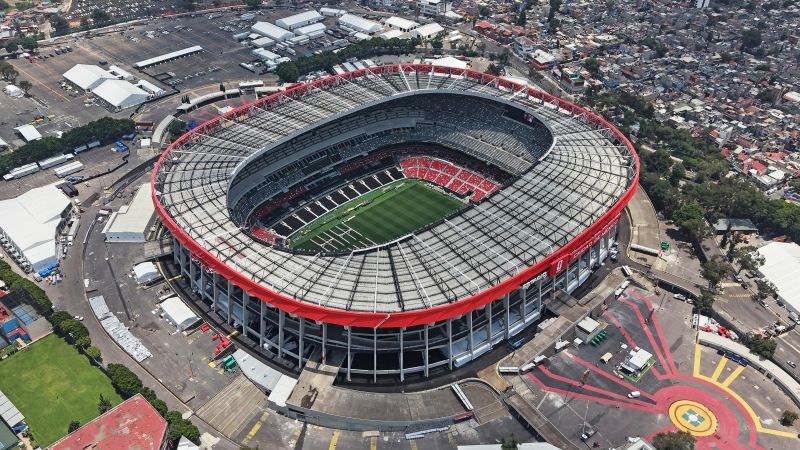
How Dangerous Is Watching the World Cup in Mexico, Really?
How dangerous is watching the World – As the World Cup approaches, millions of international visitors are set to descend on Mexico, drawn by the excitement of the tournament and the country’s vibrant culture. Yet, behind the scenes, authorities are preparing for a significant security overhaul to ensure the event runs smoothly. Mexico City, Guadalajara, and Monterrey—hosting the majority of matches—will see heightened measures, including a massive deployment of security personnel, to shield fans from potential threats. This intensified focus on safety aims to protect not only attendees but also the nation’s reputation as a welcoming destination.
Plan Kukulkan: A Multi-Layered Approach
The government’s plan, named Plan Kukulkan after the Maya mythological serpent, represents a collaborative effort involving federal, state, and local agencies. In addition, the co-hosting nations of Canada and the United States are contributing to the initiative, signaling a transnational approach to safeguarding the event. Nearly 100,000 officers will be stationed across the three host cities and surrounding areas, including training hubs and team bases, to manage crowds and prevent disruptions.
Experts acknowledge that this expansion of security efforts is a critical step forward. However, they note that while the plan may reduce risks for most visitors, certain regions of the country still face lingering dangers. Plan Kukulkan is designed to address these concerns, but its effectiveness will depend on how well it integrates resources and adapts to evolving threats.
Security in Mexico City: A Safe but Watchful Environment
Despite its reputation for cartel activity, Mexico City is widely regarded as one of the country’s safest urban centers. The capital will host five matches, including the opening game on June 11, making it a focal point of the tournament. According to Víctor Manuel Sánchez Valdés, a researcher at the Autonomous University of Coahuila, the city benefits from a high density of police officers and surveillance systems, which create a distinct crime profile.
“There are very large networks of piracy, human trafficking, prostitution, obviously drug dealing, and some extortion, but it’s also the area of the country with the highest per capita police presence and security cameras,” Sánchez said.
However, this doesn’t eliminate the possibility of street-level crimes such as pickpocketing, robberies, and scams. These are common in bustling cities worldwide, and Mexico City is no exception. Teresa Martínez, a professor at the School of Social Sciences and Government of Tecnológico de Monterrey, highlighted that the city’s transportation system will face unique challenges. With a population of nearly 22 million, ensuring safe and accessible movement for all fans—domestic and international—requires more than just police deployment. It demands coordinated planning to maintain functionality during peak hours.
To tackle these issues, authorities have planned an extensive security presence, including specialized units and aerial monitoring. El Zócalo, the capital’s central plaza, will be patrolled by dozens of officers equipped with shields and automatic rifles, while the Fan Festival, starting June 11, will be a priority for crowd management. These measures are intended to create a secure environment for both residents and visitors, though the city’s safety record remains a subject of ongoing debate.
Guadalajara: A City Under Cartel Control
Guadalajara, the second-largest host city, presents a different security landscape. The city is located in Jalisco, a state deeply influenced by the Jalisco New Generation Cartel (CJNG), one of Mexico’s most powerful criminal organizations. This cartel’s dominance has led to frequent violence and a surge in disappearances, making the region a hotspot for organized crime.
In February, the CJNG’s leader, Nemesio “El Mencho” Oseguera Cervantes, was captured by Mexican authorities. The group responded with a wave of retaliation, attacking vehicles, businesses, and security forces. The state government reports over 16,000 missing persons cases, many linked to the cartel’s operations. For years, local groups have conducted daily searches for victims buried in secret graves, uncovering hundreds of bodies. Recently, remains have been found near the city’s main stadium, underscoring the threat posed to the World Cup venues.
“It seems to me that of the three (host cities), Guadalajara deserves particular attention,” said Teresa Martínez.
While major crimes like cartel violence primarily affect residents, tourists are not entirely safe. Martínez warned that visitors may still encounter petty theft, fraud, and opportunistic crimes. These smaller-scale incidents, though less dramatic, could disrupt the experience of fans attending matches in the city. The challenge lies in balancing the need for robust security with the goal of maintaining a festive atmosphere.
Monterrey and Beyond: A Comprehensive Strategy
Monterrey, the third host city, is also under threat from organized crime, though its situation is less intense than Guadalajara’s. The city, which will host four group-stage matches, is home to the powerful Zetas cartel, a group known for its involvement in drug trafficking and armed conflict. While the Zetas have scaled back their activities in recent years, their influence persists, particularly in areas near the World Cup stadiums.
The security plan extends beyond the host cities, incorporating regions hosting training centers and base camps. This broader approach reflects the government’s commitment to mitigating risks in all areas where the tournament will be active. The plan’s success will hinge on its ability to address both visible and hidden dangers, from street-level crimes to organized violence.
Victoria Dittmar, a senior researcher at the InSi think tank, emphasized that the strategy is a necessary investment. “While the security plan is ambitious, it’s crucial to recognize that Mexico has a complex criminal environment,” she said. “The goal is to create a sense of safety for all participants, but vigilance is required in every aspect of the event’s logistics.”
The Balance Between Safety and Experience
As the World Cup draws near, the interplay between security and the fan experience becomes increasingly important. While the measures in place are designed to protect attendees, they may also alter the character of the cities. In Mexico City, for instance, the usual vibrancy of the capital’s streets could be tempered by the presence of armed officers and checkpoints. Similarly, Guadalajara’s historic neighborhoods may see temporary changes as authorities prioritize safety during the tournament.
Yet, these adjustments are seen as a small price to pay for a secure and memorable event. The government’s focus on Plan Kukulkan highlights the importance of regional collaboration and the use of advanced technology to monitor activity. With the potential for both local and international fans to visit, the plan’s effectiveness will be measured not just by the absence of major incidents but by the overall sense of security it fosters.
Ultimately, the World Cup in Mexico represents a blend of cultural celebration and strategic security. While the country has faced challenges related to cartel violence and impunity in the past, the combined efforts of multiple agencies and the presence of over 100,000 officers signal a renewed commitment to safety. Whether this approach will fully address the risks remains to be seen, but the dedication to protecting fans and maintaining Mexico’s image as a secure destination is evident. As the tournament unfolds, the success of these measures will shape the experience of millions of visitors and determine how the nation is perceived on the global stage.
