
Kenya arrests eight students suspected of arson in deadly school fire
Kenya arrests eight students suspected of arson in deadly school fire
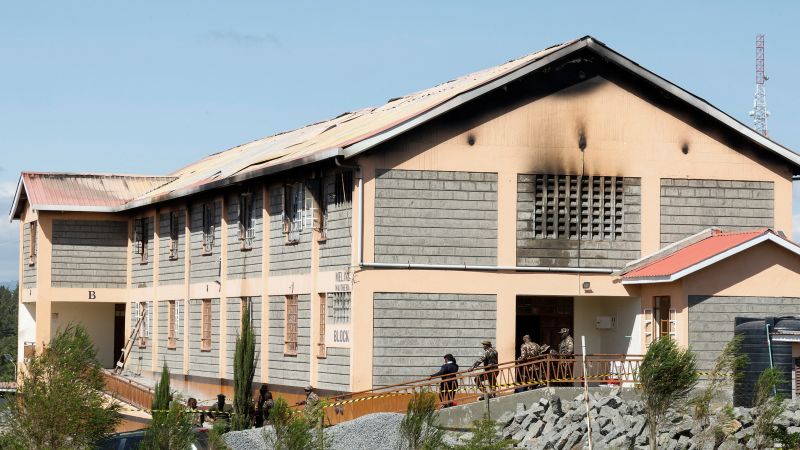
Kenya arrests eight students suspected of arson – On Friday, Kenyan authorities announced the apprehension of eight students accused of starting a fire at a girls’ boarding school in Gilgil, located in the west-central region of the country. The incident, which resulted in the loss of 16 lives and left 79 others injured, occurred in the early hours of Thursday. According to police, the students were identified as persons of interest in the investigation into the suspected arson attack. This marks another tragic chapter in a series of school fires that have plagued Kenya, prompting calls for improved safety measures and accountability.
The Utumishi Girls’ Academy Senior School, where the blaze broke out, has become a focal point for scrutiny as authorities probe the circumstances surrounding the fire. Officials revealed that preliminary findings suggest the fire was not a random event but rather a deliberate act orchestrated by the students. While the exact cause remains under investigation, the police’s Directorate of Criminal Investigations emphasized that the eight individuals were implicated in both planning and executing the attack. These students are currently being held in police custody for further questioning.
“Our initial inquiries have identified eight students as key suspects in the alleged arson incident,” stated the police’s Directorate of Criminal Investigations. “They are being interrogated to determine the full extent of their involvement in the tragic event.”
Education Minister Julius Ogamba highlighted the school’s role in the incident during a press briefing. He noted that two teachers had been aware of the students’ alleged intentions but did not take action to prevent the fire. Ogamba also pointed to systemic lapses in safety protocols, including overcrowded dormitories and a locked emergency exit during the critical moments of the fire. These factors, he argued, contributed to the severity of the disaster, as they hindered a swift evacuation and increased the risk of casualties.
The minister’s remarks underscored the broader issues of safety and oversight in Kenyan educational institutions. “This tragedy has exposed weaknesses in our school management systems,” Ogamba said. “We are taking immediate steps to address these shortcomings, including the dissolution of the school’s board of management and legal consequences for any staff members who failed to uphold their responsibilities.” The decision to disband the board reflects the government’s commitment to holding accountable those responsible for inadequate safety practices.
Kenya’s history with school fires reveals a pattern of preventable tragedies. In 2024, a similar incident at a primary boarding school in Nyeri County claimed the lives of 21 students, though the cause of the fire was never conclusively established. That event, along with the recent Utumishi incident, has reignited debates about the role of student unrest in sparking such disasters. Researchers have noted that many school fires in Kenya are linked to students’ dissatisfaction with strict discipline and subpar living conditions, often leading to acts of protest through fire-setting.
Historically, the worst school fire in Kenya’s recent past occurred in 2001 at Kyanguli Secondary School, situated just outside Nairobi. The incident resulted in the deaths of 67 boys, and authorities initially attributed the blaze to arson. However, the exact cause of that fire was also not definitively determined, highlighting the recurring challenges in investigating such events. The Utumishi fire, while not as severe as Kyanguli’s, has once again brought the issue of school safety to the forefront of public and political discourse.
As the investigation into the Utumishi incident progresses, authorities are under pressure to provide answers and implement reforms. The case has sparked discussions about the need for stricter safety regulations in boarding schools, as well as the importance of addressing student grievances before they escalate into violent acts. With eight students now in custody, the focus shifts to uncovering the motivations behind the fire and ensuring that similar incidents do not occur in the future.
Meanwhile, the school’s board of management faces the consequences of its negligence. Ogamba’s decision to dissolve the board signals a shift toward centralized control, aiming to rectify the failures that led to the fire. The minister also hinted at potential disciplinary actions against staff, emphasizing that accountability must be enforced across all levels of school administration. This step is expected to deter complacency and encourage adherence to safety standards.
Community leaders and parents have expressed outrage over the incident, demanding transparency in the investigation and measures to prevent further tragedies. “The loss of young lives is a stark reminder of the risks our children face,” said one local representative. “We need urgent reforms to ensure that schools are safe spaces for learning, not places of danger.” This sentiment is echoed by educators and activists who have long advocated for better infrastructure and emergency preparedness in Kenyan schools.
Despite the efforts to address the issue, the frequency of school fires in Kenya remains a cause for concern. The country has witnessed several such incidents over the years, each underscoring the need for a comprehensive approach to safety. The Utumishi fire, along with the 2024 and 2001 cases, has highlighted the importance of not only investigating the immediate causes of such events but also addressing the underlying factors that contribute to their occurrence.
Authorities are also reviewing the protocols for handling emergencies in schools, with a particular emphasis on evacuation procedures and the maintenance of emergency exits. The incident at Utumishi has prompted calls for regular safety audits and staff training to prevent similar disasters. “We must ensure that every school is equipped with the necessary resources to protect its students,” Ogamba reiterated, vowing to strengthen regulations and enforce compliance.
As the nation grapples with the aftermath of the fire, the case of the eight students serves as a critical example of the consequences of neglecting safety measures. Their arrest not only holds them responsible for the suspected arson but also brings attention to the broader culture of student dissent and the need for systemic change. The government’s response will be closely watched as it seeks to balance accountability with the recognition of students’ right to protest.
