Russia’s overwhelming manpower advantage against Ukraine is starting to wane

Russia’s overwhelming manpower advantage against Ukraine is starting to wane
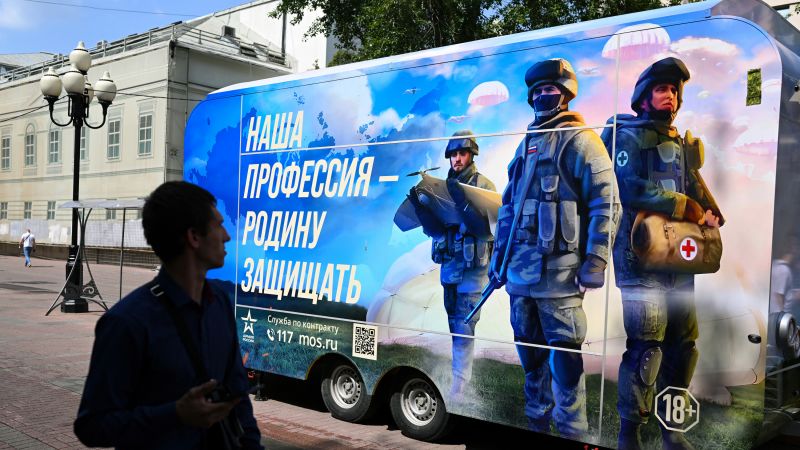
Russia s overwhelming manpower advantage against – Imagine receiving a bonus of $80,000, more than four times the average annual salary in Russia, or being relieved of $140,000 in debt. These are the carrots now dangling in front of young men across the country as the Russian military intensifies its efforts to attract recruits. Advertisements, both on billboards and in social media feeds, promise not only substantial financial incentives but also the status of a “hero” and accelerated citizenship for those who join the front lines. Yet, despite these measures, military enlistment has declined by 20% in the first quarter of 2026 compared to the previous year, according to Russian economist Janis Kluge. The trend suggests the Kremlin’s reliance on voluntary participation may be crumbling.
The Economic Strain of War
For years, the Russian government has positioned itself as a dominant force in the Ukraine conflict, leveraging its vast population and robust military-industrial complex to sustain a protracted campaign. This approach, rooted in attritional warfare, aimed to wear down Ukrainian forces through sheer numbers. However, the financial pressures of maintaining such a strategy are now evident. With the war entering its fifth year, President Vladimir Putin has faced growing challenges in keeping troops motivated and replenishing his ranks.
“Rubles don’t fight wars,” said Nigel Gould-Davies, a senior fellow at the International Institute for Strategic Studies (IISS). “This is the first war in Russia’s history where the state is paying citizens to fight rather than forcing them, and that’s creating economic strain and manpower issues.”
Gould-Davies highlighted that the shift from conscription to financial incentives has exposed vulnerabilities. While the Iran war has indirectly boosted Russia’s economy by raising oil prices, the financial burden of war remains significant. The promise of hefty bonuses and debt relief is meant to offset the risks of combat, but it has not been enough to reverse the trend of declining enlistment. The state is now struggling to meet the demand for soldiers, with reports indicating that Russia is losing more troops than it can replace.
Desperate Measures and Unpopular Decisions
To counter the manpower shortfall, Moscow has resorted to increasingly desperate tactics. Former prisoners of war are being deployed to the front lines, a move that underscores the urgency of the situation. Additionally, the country has received support from North Korean soldiers in three separate waves, adding to the ranks. The government has also incentivized immigrants to join the military, offering to wipe out debts of up to $140,000 in exchange for service. These steps, while necessary, signal a growing reliance on unconventional methods to sustain the war effort.
The impact of the labor shortage extends beyond the military. The Russian economy is grappling with a broader crisis, as the demand for factory workers has surged. Factories are operating at full capacity, with machines running nonstop to meet production targets. However, this has placed additional strain on the civilian workforce, making it harder to maintain normal operations. Gould-Davies noted that the labor shortage is driving up wages, contributing to inflation and compounding the economic challenges.
“It’s not just struggling to find people for the front… they’re struggling to find people to fill jobs in factories and other sectors,” Gould-Davies told CNN. “This is a systemic issue that affects the entire economy.”
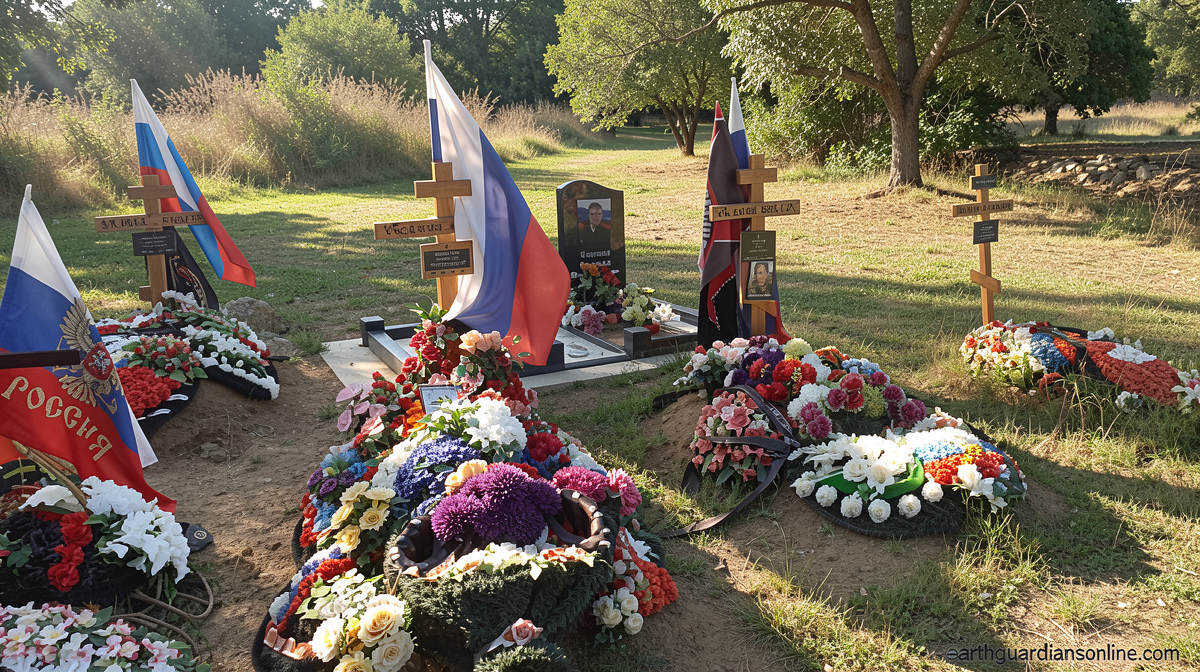
The human cost of the war is also mounting. Western intelligence reports estimate that nearly 500,000 Russian soldiers have perished in the conflict, while hundreds of thousands more have fled the country to avoid being drafted. The exodus has left a gaping hole in the workforce, with industries facing disruptions and labor markets tightening. Gould-Davies emphasized that labor is a scarcer resource than physical capital or financial assets, making it difficult to replenish quickly.
Global Recruitment and the Future of the Conflict
With domestic recruitment faltering, the Kremlin may turn to international sources. Experts suggest that Russia could recruit from India, North Korea, and various African nations to ease pressures on both civilian and military sectors. This strategy reflects a broader shift toward globalizing the war effort, as traditional methods of maintaining a large, homegrown force become less viable. Some reports indicate that African men have been lured into the conflict with promises of financial gain, though concerns about exploitation persist.
The possibility of a second forced mobilization looms large. If voluntary enlistment continues to decline, Putin may be compelled to implement stricter measures, such as limiting citizens’ freedom to leave the country. This could include targeting men of conscription age with new conscription laws or curtailing travel rights. Such steps, while effective in the short term, risk deepening public discontent and accelerating emigration.
“The Kremlin will soon face a fundamental choice: either radically escalate its demands on the economy and society or scale back its war aims,” Gould-Davies predicted. “This is a pivotal moment for Russia’s strategy.”
The economic strain is also affecting the military’s ability to sustain operations. With factories at maximum capacity and the workforce shrinking, Russia is struggling to increase its military output. This is particularly problematic as the war in Ukraine continues to demand more resources. The combination of high casualty rates and a shrinking labor pool has created a crisis that is difficult to resolve without significant sacrifices.
Analysts warn that the Kremlin’s reliance on financial incentives may not last. If men are unwilling to accept the terms of service, the government may be forced to introduce conscription again, a move that could lead to further unrest. The recent partial mobilization, which saw many Russians flee the country, has already tested public tolerance. A second round of conscription could push the population to the brink, potentially forcing the government to adopt even harsher policies.
Long-Term Consequences
The labor shortage has far-reaching consequences beyond the immediate military needs. As industries compete for workers, wages are rising, which could fuel inflation and reduce the purchasing power of citizens. The government is also facing pressure to adjust its economic policies to compensate for the loss of manpower. Gould-Davies pointed out that while it’s possible to build new factories or raise funds, the state cannot control the birth rate or dictate the availability of labor.
The crisis may also lead to a reevaluation of Russia’s strategic objectives. With the economy under strain and manpower dwindling, the Kremlin may need to consider scaling back its ambitions in Ukraine. This could involve negotiating a truce, reducing the number of fronts, or shifting focus to other regions. The decision will depend on the government’s ability to balance the demands of the military with the needs of the civilian population.
As the war enters its fifth year, the challenges facing Russia are becoming more complex. The initial advantage of overwhelming numbers is no longer guaranteed, and the country is now contending with economic and social strains that could reshape the conflict’s trajectory. The coming months will be crucial in determining whether Russia can sustain its war effort or if it must make difficult compromises to avoid collapse.