
Since the camera is always watching, why not snap a surveillance selfie?
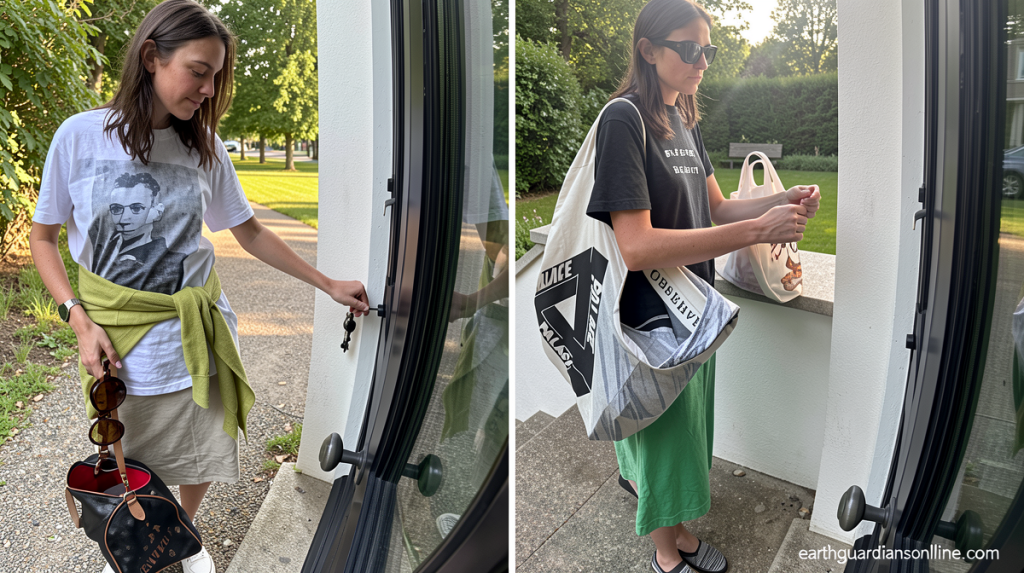
The Rise of the Surveillance Selfie
Since the camera is always watching, why not become part of the picture? In an era where our movements are constantly tracked by digital eyes, a new form of personal expression is taking shape. Rather than viewing the omnipresent camera as a mere tool for security, individuals are beginning to embrace it as a medium for self-portraiture. This phenomenon, often dubbed the “surveillance selfie,” transforms passive observation into active engagement. By positioning themselves within the frame of their own security devices, people are reclaiming the narrative of being watched. The trend has gained particular momentum as Ring doorbell cameras have become ubiquitous in residential neighborhoods across the United States.
Chung and the Paparazzi Connection
One prominent example of this trend involves English model Alexa Chung. Recently, she shared a collection of images on Instagram captured by the security camera installed outside her London residence. Despite the limited resolution and the distinctive curvature of the fisheye lens, the images capture her with effortless style. In one particular shot, she is dressed in a green short-sleeved blouse from Miu Miu, with the brand name clearly visible despite the pixelation. She pairs this with a taupe skirt and white ballet flats. The camera’s positioning offers a unique perspective, allowing viewers to glimpse past the threshold into her front room, revealing her welcome mat and wooden floorboards.
Chung has made this a recurring feature, posting several galleries from her doorbell camera over recent months. Each post showcases her ability to turn an ordinary security moment into something resembling a fashion editorial. The candid nature of the images, combined with the slightly distorted perspective of the camera, creates an aesthetic that feels both intimate and distant. Fans have responded enthusiastically, with many commenting on how the surveillance footage captures her natural beauty without the polish of professional photography.
Why Surveillance Selfies Are Trending
The appeal of surveillance selfies extends beyond mere novelty. For many, they represent a form of digital rebellion against the curated perfection of social media. When you pose for a traditional selfie, you control every element of the composition. But a surveillance selfie is different. The camera is always watching, capturing moments as they happen without your direct intervention. This spontaneity gives the images an authenticity that resonates with audiences tired of overly polished content.
Additionally, the surveillance selfie format offers a unique storytelling opportunity. The camera’s fixed position creates a consistent frame that viewers can return to, creating a sense of continuity. Each new image becomes part of an ongoing visual diary, documenting everyday moments through the lens of security technology. This approach to self-documentation feels both modern and timeless, bridging the gap between traditional photography and digital innovation.
“Since the camera is always watching, we might as well give it something interesting to see,” one photographer noted about the trend. “It’s like having a personal paparazzi that never sleeps.”
The phenomenon has also sparked conversations about privacy and public space. As more people embrace the surveillance selfie, they are redefining what it means to be both observer and observed. The camera that once served solely as a security device has become a collaborator in personal expression. This shift in perspective suggests that our relationship with surveillance technology is evolving, moving from one of passive acceptance to active participation.
