
The newest Air Force One is flying, but is it ready to deal with all the threats a president faces?
The Newest Air Force One is Flying: Is It Ready for Modern Threats?
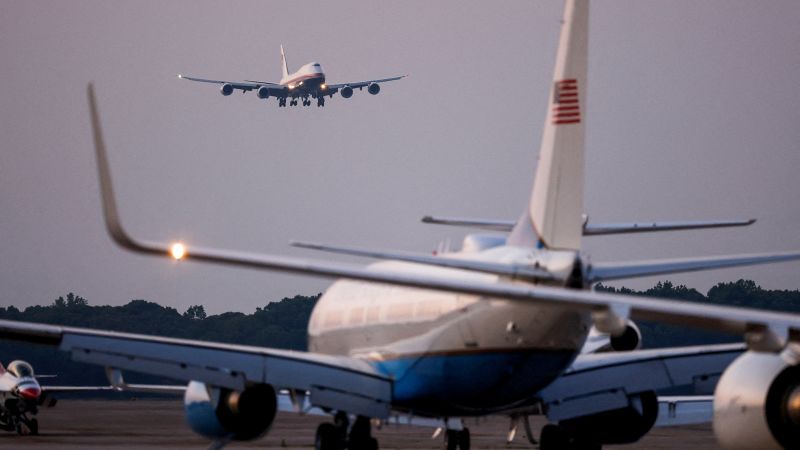
The newest Air Force One is flying, but questions linger about whether this presidential aircraft can withstand the diverse dangers facing the commander-in-chief. When President Donald Trump departed Turkey on a recent trip, he made an unexpected choice. Rather than boarding the newly converted Boeing 747 that had been unveiled with great ceremony just days earlier, he selected a vintage 35-year-old aircraft instead. This decision has drawn attention to the Qatari-donated plane, which underwent an accelerated transformation process. Critics and supporters alike are now examining whether the aircraft contains sufficient communications capabilities, security measures, and defensive systems to serve as the nation’s flying White House.
The timing of this journey proved particularly significant. The United States was simultaneously conducting military operations against Iran, a country that borders Turkey. Following his departure on the older aircraft, Trump addressed concerns about potential threats during his travels. He stated, “Air Force One could be a dangerous plane because of the sleaze bags we have to deal with.” He elaborated further, noting, “These are sick people, so I could see something like that.” While officials confirmed no immediate, specific danger to the president’s safety, Trump had previously expressed worries about a potential assassination attempt from Iran during the NATO summit.
A Rapid Transformation for a Historic Aircraft
The conversion of the new presidential jet occurred on an unusually compressed schedule. Originally donated by Qatar, the Boeing 747-200 underwent extensive modifications to meet the demanding requirements of presidential transportation. These upgrades included enhanced communication systems, improved security features, and advanced defensive capabilities. The accelerated timeline has led some observers to question whether every detail was thoroughly tested before the aircraft entered service. The former Qatari royal aircraft now carries the weight of American presidential security on its wings.
Historical context adds another layer to the current debate. Previous Air Force One aircraft have faced various challenges during their service, from technical malfunctions to security incidents. The current administration has emphasized the importance of having a reliable presidential aircraft that can operate in contested airspace and communicate effectively with ground forces during military operations. The ongoing strikes against Iran have highlighted the need for such capabilities, as the president must be able to coordinate with military commanders while in transit.
“The newest Air Force One is flying, but is it ready to deal with all the threats a president faces?” This question has become central to discussions about presidential aviation security.
Technical experts have examined the aircraft’s systems to determine whether the rapid conversion compromised any critical functions. The communications suite must handle encrypted transmissions across multiple frequencies, while the defensive systems need to protect against both conventional and emerging threats. Security protocols aboard the aircraft have also been reviewed to ensure they meet current standards for presidential protection. These assessments will continue as the aircraft completes its operational testing phase.
The decision to use the older aircraft for Trump’s Turkey departure has sparked renewed interest in the new plane’s readiness. Some analysts suggest the choice was precautionary, while others view it as a signal that the conversion may not have been fully complete. Regardless of the reasoning, the incident has placed the newest Air Force One under increased scrutiny. As the United States faces evolving global challenges, the presidential aircraft must demonstrate it can fulfill its critical role in maintaining command and control during international crises.
