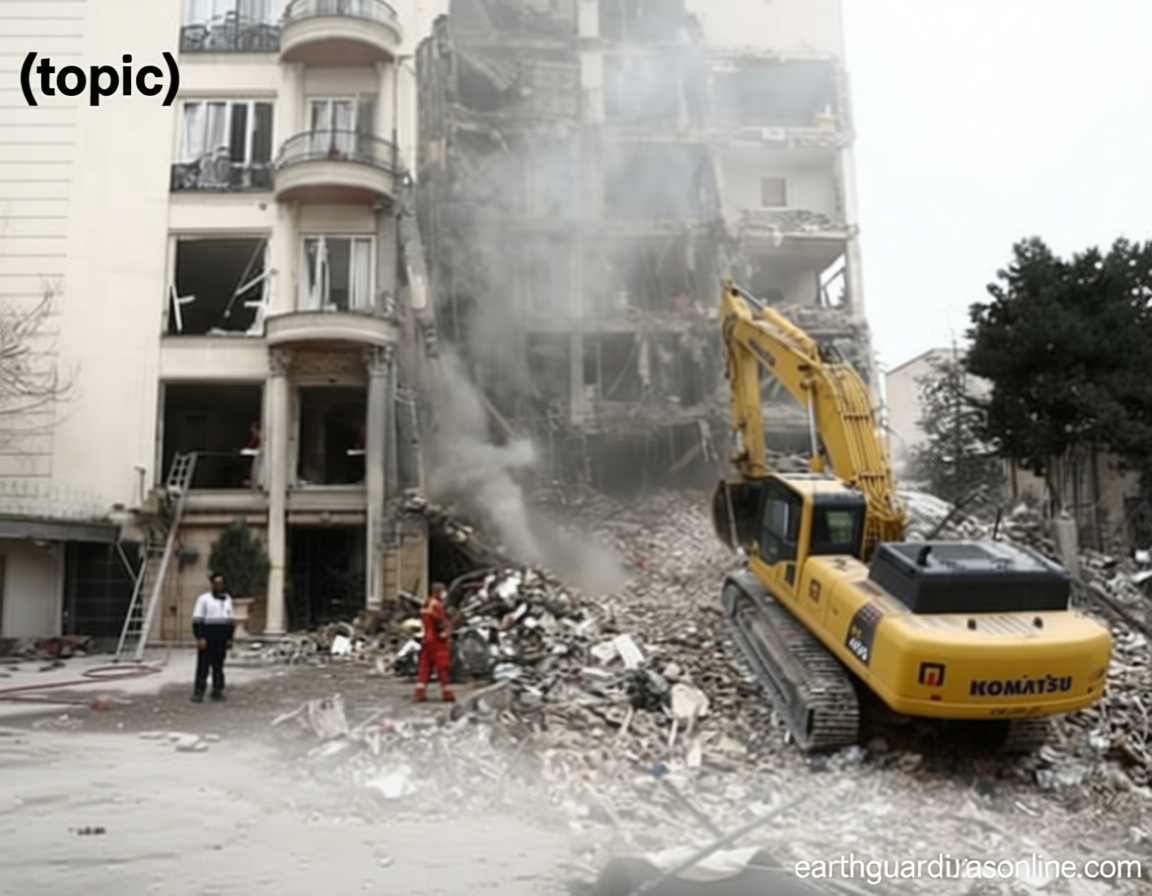
Trump’s agreement with Iran is the moment Netanyahu has been dreading

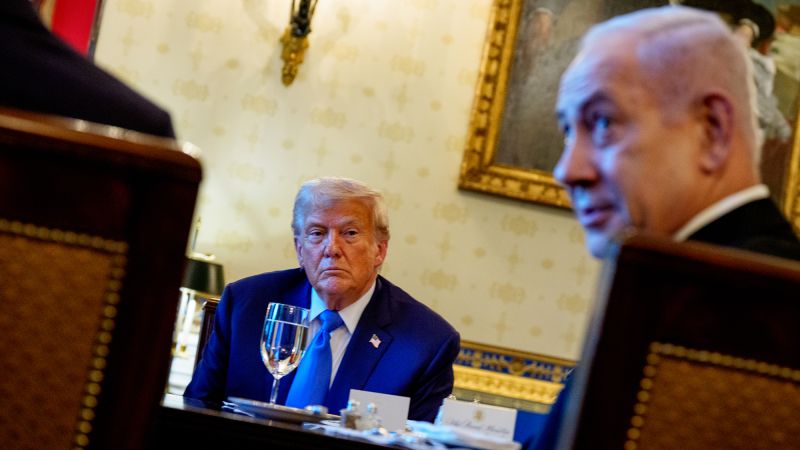
Netanyahu’s Quiet Reaction to Trump-Iran Accord Sparks Political Tension
Trump s agreement with Iran is – In the early hours of Sunday night, Israeli Prime Minister Benjamin Netanyahu convened with his security advisors in a fortified bunker, anticipating the possibility of an Iranian missile strike. Just as the team prepared for potential conflict, a call from President Donald Trump interrupted the tension. The memo of understanding between the U.S. and Iran, announced by Trump, marked a pivotal shift in the region’s dynamics, one Netanyahu had long feared. This was the second conversation of the day between the two leaders, each exchange carrying the weight of strategic decisions and geopolitical consequences.
A Contrast to Obama’s Nuclear Deal
Netanyahu’s recent silence on the Trump-Iran agreement stands in stark contrast to his fierce opposition to the 2015 nuclear accord under President Barack Obama. At the time, he denounced the deal in front of Congress, leveraging the support of Republican allies to criticize both the agreement and Obama’s leadership. His rhetoric then was unambiguous, painting Iran as a threat to Israel’s survival and calling for a strong stance against its nuclear ambitions. Now, however, Netanyahu’s public remarks have been more restrained, even as the new pact opens the door to economic relief for Tehran.
The memorandum of understanding, though not a formal treaty, signals a de-escalation of hostilities that Israeli officials had anticipated for weeks. It effectively halts the military campaign launched in late February, allowing Iran to reclaim some of its strategic advantages. The agreement’s provisions, which delay discussions on Iran’s nuclear program and ballistic missile arsenal, have raised concerns about the long-term implications for regional stability. For Netanyahu, the deal represents a scenario he once warned against: a temporary ceasefire that could ease sanctions and permit Iran to refocus on its nuclear ambitions.
Strained Relations and Unintended Consequences
Trump’s announcement of the agreement has left Israeli officials grappling with its repercussions. While the U.S. administration emphasized that Iran’s control over Hezbollah was not a condition of the deal, the memo leaves room for Iran to assert influence over Lebanon’s militant group. This, in turn, could constrain Israel’s ability to strike Hezbollah targets, a key element of Netanyahu’s security strategy. The agreement’s ambiguity on these matters has fueled debate, with some fearing it may embolden Iran and weaken Israel’s deterrence.
Netanyahu’s reaction to the deal has been measured. After Trump’s announcement, the prime minister addressed the media in a press conference on Monday evening, dedicating only a fraction of his remarks to the agreement. He downplayed the significance of the deal, stating that it was not a final resolution but a step toward broader negotiations. “There are cases in which President Trump and I do not see eye to eye,” Netanyahu said, emphasizing his role in safeguarding Israel’s security interests. His tone, however, suggested a sense of resignation rather than triumph.
“I am responsible for Israel’s security interests, and it needs to be done wisely.”
Netanyahu’s cautious approach has not gone unnoticed by his political opponents. Within Israel, figures from across the ideological spectrum have expressed discontent with the deal. His far-right coalition allies, Finance Minister Bezalel Smotrich and National Security Minister Itamar Ben Gvir, called it a “dangerous deal,” arguing that Israel is not bound by its terms. Former Prime Minister Naftali Bennett, a rival in the upcoming elections, described the agreement as a “dangerous turn in Israel’s security,” highlighting its potential to undermine national priorities.
The deal has also drawn criticism from within Netanyahu’s own administration. Former Israeli military Chief of Staff Gadi Eisenkot, a prominent contender for the premiership, labeled it a “miserable result” stemming from a lack of strategic vision. His remarks underscore the internal division over whether the agreement represents progress or a compromise that weakens Israel’s position. Despite these criticisms, Netanyahu has maintained a low profile, allowing his allies to take the lead in public discourse.
Political Calculations and Electoral Strategy
Netanyahu’s measured response to the agreement reflects both his diplomatic instincts and his electoral calculus. For months, his team had envisioned a clear path to victory: a swift military victory over Iran, a triumphant visit to the White House in September, and a return visit by Trump to Israel in the final stretch of the campaign. These events would have solidified Netanyahu’s image as a strong leader, bolstered by Trump’s endorsement and the symbolism of a U.S.-Israel alliance.
However, the shift toward diplomacy has disrupted this narrative. Trump’s pressure on Israel to cease hostilities and limit its operations in Lebanon has been a point of contention, with Netanyahu finding himself caught between his military objectives and the U.S. president’s diplomatic push. Public disagreements between the two leaders have exposed the strain in their relationship, even as they continue to collaborate on key issues. Trump’s recent comments to ABC News, questioning whether Netanyahu still wants to “continue” in politics, have added to the prime minister’s sense of vulnerability.
Despite these challenges, Netanyahu’s team remains optimistic. Political consultant Nadav Strauchler, who previously advised the prime minister, described the current situation as a “test point” rather than a definitive break. “I wouldn’t eulogize the relationship so fast,” Strauchler said, noting that the October elections—roughly four months away—are still in the balance. For Netanyahu, the agreement may be a temporary setback, but it also provides an opportunity to pivot toward a more diplomatic approach while maintaining his core message of Israeli security.
The memorandum of understanding, while not ending the conflict, sets the stage for future negotiations. It allows Iran to rebuild its nuclear capacity and reassert its regional influence, potentially altering the power dynamics in the Middle East. Yet, for Israel, the deal is a double-edged sword: it offers economic respite but also raises questions about the country’s ability to project strength. Netanyahu’s silence in the face of this development underscores the delicate balancing act he must perform, navigating both domestic and international pressures.
As the political landscape evolves, the implications of the agreement will continue to shape Israeli policy. While Trump’s vision for a deal prioritizes diplomacy and economic incentives, Netanyahu’s legacy as a leader who once championed decisive action may now be tested. The path forward remains uncertain, but one thing is clear: the accord has placed Netanyahu in a precarious position, forcing him to confront the reality that the U.S. may be willing to trade military victories for diplomatic outcomes.
Broader Regional Implications
Analysts warn that the Trump-Iran agreement could have far-reaching effects beyond Israel. By easing sanctions on Iran, the deal may incentivize the country to increase its military and economic activity, potentially spilling over into conflicts with neighboring states. The reopening of the Strait of Hormuz, a critical chokepoint for global oil trade, could also impact international markets, drawing attention to the broader implications of U.S.-Iran relations. For Israel, the agreement is not just a foreign policy decision but a strategic gamble that could influence its security posture and international standing.
Even as Netanyahu adjusts to the new reality, the deal serves as a reminder of the shifting alliances and priorities in the region. Trump’s decision to pursue a diplomatic resolution, rather than a military one, signals a departure from previous strategies. Yet, it also highlights the importance of maintaining a strong partnership with Israel, even as the U.S. seeks to address its own interests in the Middle East. The outcome of this agreement will depend on how both nations navigate the next phase of negotiations, with Netanyahu’s ability to manage the political fallout being a key factor in his upcoming election.