US-Iran agreement takes the heat off Kevin Warsh

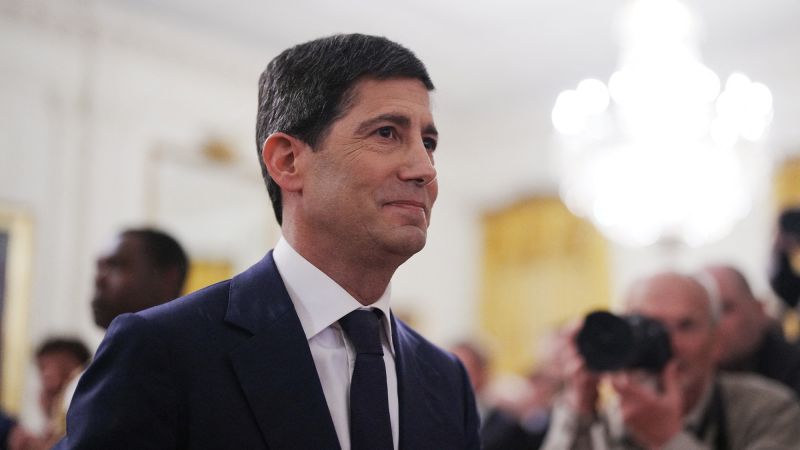
US-Iran Accord Alleviates Pressure on Federal Reserve Nominee Kevin Warsh
US Iran agreement takes the heat – Kevin Warsh, the newly nominated Federal Reserve chairman, faced a daunting array of economic challenges just weeks after his appointment. The US labor market had entered a period of stagnation, with unemployment rates climbing and job creation slowing to a decade-low. Simultaneously, inflationary pressures surged as the conflict with Iran sent oil prices and energy costs skyrocketing, threatening to complicate the Fed’s dual mandate of managing employment and price stability. However, the recent breakthrough in US-Iran relations has significantly eased these pressures, offering a reprieve for Warsh as he prepares to navigate the central bank’s critical decisions.
The Dual Mandate and Rising Tensions
In January 2026, President Donald Trump’s nomination of Kevin Warsh for the Federal Reserve chair position placed him at the center of a turbulent economic landscape. The preceding year had seen the labor market struggle, with job losses and a sluggish recovery from the effects of the previous administration’s policies. Meanwhile, the war in the Persian Gulf disrupted global oil supplies, pushing prices to unsustainable levels and igniting fears of a prolonged inflationary crisis. This dual threat—weak employment growth and soaring energy costs—created a precarious situation for Warsh, who would be tasked with balancing these opposing forces.
“It takes some pressure off Warsh. It means the worst-case for hikes is more off the table than on it,” said Benson Durham, a former Fed official and founder of DASM LLC, an independent research firm.
The US-Iran agreement, which temporarily halted the 15-week-long conflict and ensured the safe passage of oil through the Strait of Hormuz, has shifted the economic narrative. Energy prices, which had spiked due to the war, are now declining, providing relief to both consumers and businesses. This development has reduced the urgency for the Fed to implement immediate rate hikes, a move that would have risked further slowing the already fragile job market.
A Strategic Reprieve for the Fed
Experts have pointed to the agreement as a strategic victory for the Federal Reserve. Krishna Guha, vice chairman and head of economics and central bank strategy at Evercore ISI, emphasized that the stabilization of oil markets has diminished the risk of a severe inflationary surge. “The lower path for oil means a smaller inflation wave than feared… less extended supply chain disruptions and, importantly, much reduced risk of a spike to new highs that would shock inflation expectations,” Guha wrote in a client note on Monday.
While the agreement’s details remain under negotiation, its immediate impact has been palpable. Oil futures, which had reached three-month highs during the conflict, have plummeted to levels not seen in months. Gasoline prices, a key indicator of inflationary sentiment, have fallen for 25 consecutive days, marking a notable decline. These trends suggest that the Fed may have more room to maneuver in its monetary policy decisions, particularly as the central bank aims to avoid abrupt shifts that could destabilize the economy.
The Road Ahead: Uncertainty and Opportunity
Despite the positive developments, the path forward is not without challenges. The formal signing of the US-Iran framework is scheduled for Friday, following the Fed’s upcoming meeting. Eric Rosengren, former president of the Federal Reserve Bank of Boston, described the agreement as “clearly positive news,” but cautioned that its full implications remain uncertain. “It only takes a bomb in Beirut or a ship getting attacked to completely change the environment,” he noted, highlighting the need for continued vigilance in the energy markets.
Analysts agree that the agreement is a step in the right direction but may not immediately restore pre-war conditions. The futures market currently projects that Brent crude prices will not return to $75 a barrel until 2028, indicating that the impact of the deal on inflation will be gradual. Nonetheless, the presence of a structured framework has allowed the Fed to adopt a more measured approach, avoiding overreactions to short-term inflation data.
Internal Dynamics and Policy Challenges
Warsh’s tenure also presents internal challenges, particularly in securing support from his new colleagues. During his time at the Fed, he had previously been critical of certain policies, which has sparked debates among policymakers. “Kevin is very good one-on-one. He’s a smart guy and very personable,” remarked Eric Rosengren, who worked alongside Warsh during the 2008 financial crisis. Rosengren’s comments underscore the nominee’s ability to build rapport, a crucial skill as he seeks to unify the Fed’s diverse perspectives.
While the external pressures have eased, the Fed’s internal discussions continue. A growing number of officials have expressed concerns that rate hikes may still be necessary to curb inflation, even as the energy market stabilizes. The agreement has shifted the focus from immediate action to a longer-term strategy, allowing the central bank to prioritize a balanced approach. “The Fed is on a firmer footing and has a little more certainty about next steps,” Durham noted, emphasizing the institution’s enhanced flexibility.
For Warsh, the situation remains complex. Although the likelihood of a rate hike in his first meeting this week is near zero, the pressure to cut rates persists, particularly from Trump, who has hinted at legal action if the Fed does not lower borrowing costs. This dynamic illustrates the broader tension between the administration’s economic priorities and the Fed’s independent mandate, a challenge Warsh will need to navigate carefully.
Conclusion: A New Chapter for the Fed
The US-Iran agreement has not only mitigated immediate inflationary risks but also provided the Federal Reserve with a strategic advantage. With energy prices stabilizing and the labor market showing signs of recovery, Warsh is in a better position to focus on long-term economic goals. However, the deal’s success will depend on its ability to maintain peace and ensure consistent oil flows, which will require sustained effort from both sides.
As the Fed moves forward, its role in shaping the US economy will remain pivotal. The agreement has allowed officials to temper their responses to inflation, but the road to sustained stability is far from certain. Warsh’s ability to adapt to this evolving landscape will be key, as he balances the expectations of a divided policymaking environment with the realities of global economic conditions.
With the backing of the agreement, the Fed can now take a more measured stance, avoiding knee-jerk reactions that might exacerbate market volatility. The central bank’s wait-and-see approach has gained traction, aligning with the preferences of its dovish members. Yet, the challenges of inflation and employment will persist, demanding careful oversight and strategic decision-making from Warsh and his team.
As the US-Iran framework takes shape, the focus shifts to its long-term implications. While the immediate relief for the economy is evident, the agreement serves as a reminder of the delicate interplay between global events and domestic policy. For Kevin Warsh, this is an opportunity to demonstrate his leadership, but it also underscores the ongoing need for vigilance in a rapidly changing economic environment.