
Visualizing the buckling at an NYC high-rise and how teams are working to stabilize
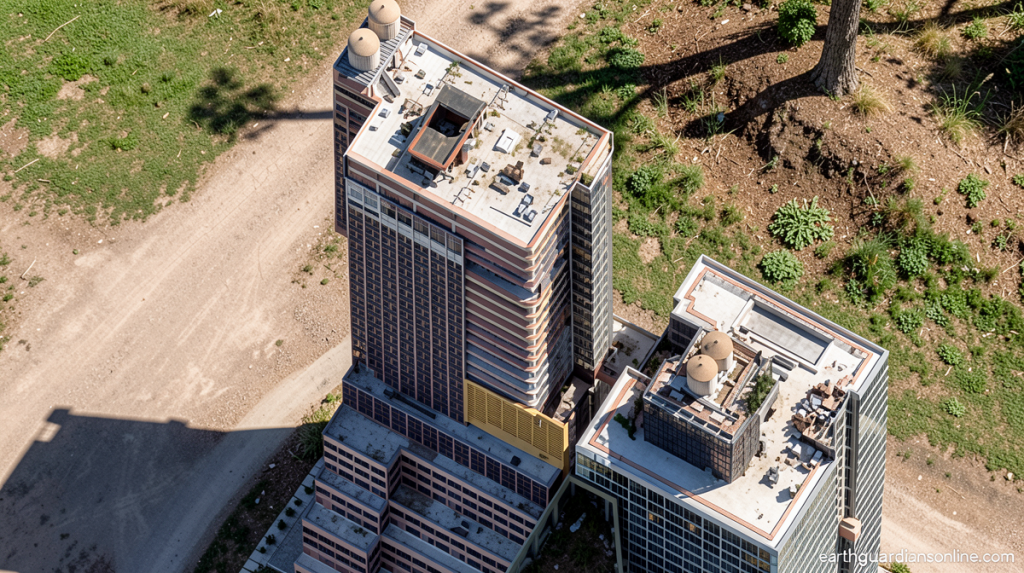
Visualizing the Buckling at an NYC High-Rise: Stabilization Underway
Emergency Response to Structural Instability
Visualizing the buckling at an NYC high-rise has become a priority as emergency teams work to stabilize a Midtown Manhattan construction site following structural column failures on Tuesday. The extensive renovation project located at 219-235 East 42nd Street is transforming the historic Pfizer headquarters into a residential complex with approximately 1,600 apartment units. This ambitious conversion captured public attention when construction workers needed immediate evacuation after the building began showing visible movement. Engineers and safety personnel have been working around the clock to assess the situation and implement measures that will prevent further structural damage while allowing the project to continue.
The visible damage to structural columns on the twenty-first floor can be seen without any specialized equipment. This buckling phenomenon occurs when vertical support elements lose their stability under compressive forces, creating potential risks for the entire structure. Several neighboring buildings in the immediate vicinity were also evacuated as a precautionary measure, ensuring the safety of all occupants in the surrounding area while structural engineers conducted their thorough assessment of the situation.
Timeline of Events and Visual Documentation
The sequence of events unfolded rapidly on Tuesday when workers first detected the building’s unusual swaying motion. Emergency protocols were immediately activated, and construction teams were guided to safety through established evacuation routes. By Wednesday morning, preliminary evaluations suggested that the stabilization measures being implemented were successfully counteracting the structural instability. Visual documentation provides valuable context for understanding this transformation, with before and after photographs capturing the building’s condition at different stages.
The image captured on March 11, 2025, displays the building in its pre-construction state, showcasing the original architectural features of the former pharmaceutical headquarters. In contrast, the photograph taken on April 7, 2026, reveals the structure during active conversion work, with visible modifications supporting its new residential purpose.
These visual records help experts and the public alike track the progress of both the construction work and the emergency response efforts. The comparison between the two images highlights not only the architectural changes but also the structural interventions that have been necessary to address the buckling issue. Such documentation proves essential for future reference and helps stakeholders understand the scope of work required to complete this significant renovation project.
Broader Housing Context in New York City
This high-profile construction project arrives at a critical juncture for New York City, which faces mounting pressure to increase housing supply across all neighborhoods. The city’s real estate market has experienced significant escalation in both rental rates and property values, creating affordability challenges for residents across all income levels. The conversion of this substantial commercial property into residential space represents one of many efforts to address the growing demand for housing in the metropolitan area. Experts note that such conversions play an important role in balancing the city’s housing needs.
The twenty-first floor damage, while concerning to residents and workers alike, appears to be contained within manageable parameters according to structural assessments. Engineers are monitoring the situation closely, implementing reinforcement strategies to prevent further column buckling and ensure long-term stability. The building’s response to emergency measures provides optimism that the renovation can proceed with minimal disruption to the overall timeline, potentially allowing the residential units to open as scheduled.
Technical Details and Future Outlook
The buckling of structural columns typically occurs when vertical supports experience excessive compressive stress beyond their designed capacity. In this case, the failures appear concentrated at a specific level rather than affecting the entire structure uniformly. This localized damage pattern allows for targeted stabilization efforts without requiring comprehensive structural intervention across the entire building. Visualizing the buckling at an NYC high-rise has thus become both a technical challenge and a public relations opportunity for the development team.
As construction teams continue their work, the focus remains on maintaining building integrity while completing the apartment conversion. The successful implementation of emergency measures thus far suggests that the project can move forward with confidence, contributing to New York City’s ongoing efforts to expand housing availability during a period of heightened market pressure. Industry professionals are watching this case closely, as it may set precedents for similar projects throughout the city.
