
What’s in the proposed deal that could end the US-Iran conflict?
What’s in the proposed deal that could end the US-Iran conflict?
What s in the proposed deal – Iran and the United States have taken significant steps toward resolving a months-long standoff, with both nations indicating they are close to finalizing a framework aimed at stabilizing their turbulent relationship. The agreement, currently under discussion, would transform the current ceasefire into a more durable peace settlement. While the details remain fluid, the plan centers on a “memorandum of understanding” designed to outline a path for addressing lingering disputes. According to US Secretary of State Macro Rubio, the deal is still in the development phase, but he expressed confidence in its potential to yield a favorable outcome. “We’re either going to have a good agreement or we’re going to have to deal with it another way,” Rubio stated during a visit to India on Monday.
The Path to a Lasting Resolution
The memorandum represents a strategic pivot from temporary pauses in hostilities to a structured process for long-term reconciliation. If finalized, it would serve as a blueprint for resolving key issues, including Iran’s nuclear ambitions and the control of critical maritime routes. The document is expected to set a 60-day timeline for narrowing differences, with both sides aiming to reach a comprehensive accord. However, the exact terms of the agreement remain opaque, as negotiations continue to refine the proposal.
Rubio highlighted the significance of the Strait of Hormuz, a vital chokepoint for global oil shipments, as a central component of the deal. He noted that the strait would be gradually reopened, with Iran committing to a time-bound negotiation on its nuclear program. “There’s a pretty solid thing on the table regarding the strait and Iran’s willingness to engage in meaningful talks,” Rubio explained. The administration’s official said the framework would ensure Iran’s nuclear capabilities are constrained, with the country agreeing to reduce its stockpile of highly enriched uranium—referred to by Trump as “nuclear dust.” The method for disposing of this stockpile would be decided in the next phase of discussions.
“The important part of how this is structured is, if Iran doesn’t perform, they don’t get anything. No dust? No dollars. As the Strait opens, the blockade loosens proportionately,” the official said. “This is ‘trust but verify’ on steroids.”
The deal’s success hinges on mutual compliance, with the US emphasizing that Iran must demonstrate its commitment to nuclear restrictions before concessions are made. This conditional approach reflects a desire to prevent a repeat of the Obama-era agreement, which Trump criticized as allowing Iran a “clear and open path to a Nuclear Weapon.” The president has consistently portrayed the memorandum as a stepping stone toward a stronger, more enforceable arrangement.
Iran’s Interpretation and Concerns
Iranian officials, however, have offered a more cautious perspective on the proposed agreement. Foreign Ministry spokesman Esmail Baghaei stated that while “understandings on a large portion of the issues under discussion” have been reached, no formal agreement is imminent. “To claim an agreement is about to be signed would be premature,” he remarked. This divergence in interpretation underscores the complexity of the negotiations, with Iran seeking to maintain control over critical aspects of the deal.
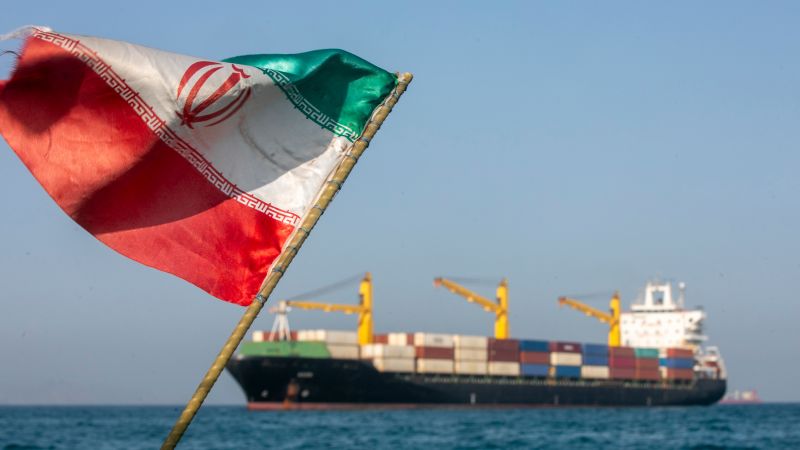
One of the key points of contention involves the management of the Strait of Hormuz. While the memorandum stipulates the gradual resumption of shipping activity, Iranian media outlets, including those aligned with the hardline Islamic Revolutionary Guard Corps (IRGC), reported that the strait would remain under Iranian oversight. Over 30 days, Iran would permit commercial traffic to return to pre-war levels, though the country has not fully committed to relinquishing its authority over the waterway. Baghaei clarified that Iran’s focus is on “navigation services plus necessary measures to protect the environment of the Strait of Hormuz,” rather than imposing tolls on vessels.
Despite this adjustment, Iran appears to be retaining a greater degree of influence over the strait. An Iranian source speaking to CNN on Sunday emphasized that coordination with local authorities is essential for ensuring safe passage. “The strait is already open, but the agreement must include mechanisms to guarantee its continued accessibility,” the source noted. This nuance suggests that while Iran is willing to accommodate commercial flow, it still aims to preserve its strategic leverage.
The US Stance and Timeline
President Donald Trump has reiterated his stance on the deal, emphasizing that the US will not settle for anything less than a strong and fair agreement. In a social media post on Sunday, he stated, “The Blockade will remain in full force and effect until an agreement is reached, certified, and signed,” indicating that the memorandum is not the final resolution but a precursor to a broader accord. Trump has also criticized the previous deal as being too lenient, arguing it granted Iran “a clear and open path to a Nuclear Weapon.” His administration’s position reflects a desire to ensure Iran’s compliance with nuclear restrictions before lifting economic sanctions.
Iran’s demand for the lifting of its port blockade is another critical element of the talks. The country insists that the US must reciprocate by easing restrictions on its trade and energy sectors. However, Trump has not immediately conceded to this point, stating that the blockade will stay until a finalized deal is signed. This condition highlights the US’s prioritization of verifying Iran’s commitments before offering concessions.
The memorandum also includes provisions for addressing other disputes, such as Iran’s ballistic missile program and regional influence. While the nuclear aspect is the most prominent, the agreement aims to establish a broader framework for cooperation. A person familiar with the negotiations confirmed that Iran has agreed to pause new uranium enrichment and commit to discussions on reducing its stockpile. This commitment aligns with the US’s goal of curbing Iran’s nuclear capabilities while maintaining a path for diplomatic engagement.
Implications for the Midterm Elections and Global Stability
The timing of the proposed deal coincides with a pivotal moment for the US, as President Trump prepares for midterm elections later this year. With gasoline prices soaring and Iran’s economy in turmoil, a successful agreement could bolster domestic support for Trump’s policies. Additionally, the reopening of the Strait of Hormuz would ease tensions in the Persian Gulf, which has been a focal point of regional instability. The strait’s strategic importance makes it a linchpin in the negotiations, as both sides recognize its role in global energy markets.
While the memorandum offers a temporary reprieve from conflict, its long-term success depends on the ability of both parties to build trust and maintain accountability. The 60-day negotiation period provides an opportunity to resolve remaining disputes, with the hope of achieving a durable peace. As the talks progress, the focus will shift from immediate concessions to a comprehensive settlement that addresses the core of the US-Iran conflict.
