
Choc horror: Why ‘flavour’ bars and small packs are here to stay
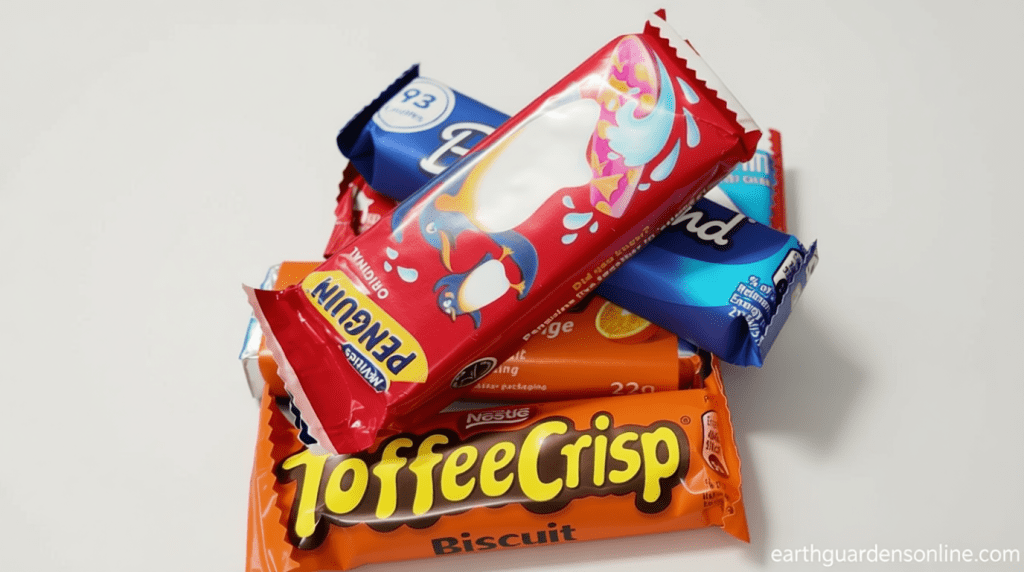
Choc horror: Why ‘flavour’ bars and small packs are here to stay
Despite cocoa prices reaching a near-three-year low and a 20% decline in sugar costs, chocolate-flavored bars and reduced packaging sizes are persisting. The trend began last year when cocoa prices hit record highs, prompting manufacturers to adjust product descriptions and sizes to offset rising expenses.
Shift in labeling and portioning
By December, products such as Toffee Crisp and Blue Riband were rebranded with “chocolate flavour” instead of “chocolate,” as they failed to meet the UK’s minimum requirements for milk chocolate—specifically, 20% cocoa solids and 20% milk solids. This pattern followed earlier rebranding efforts, including McVitie’s Penguin and Club in October, and KitKat White and McVitie’s white digestives before 2025.
Consumers have noticed gradual reductions in product weights over the past year. For example, Celebrations lost 150 grams between 2021 and 2025 while increasing in price. Similarly, Cadbury’s Dairy Milk decreased by 20 grams in four years, and Toblerone was found to be 20 grams lighter in September. Quality Street tubs also dropped from 600 grams to 550 grams at Christmas.
Manufacturer responses and market dynamics
Companies like Nestle, which produces Toffee Crisp, Blue Riband, Quality Street, and KitKat, stated there are no immediate plans to alter recipes or weights. “We have taken every measure to reduce the impact of high cocoa prices and keep products affordable,” Nestle told Sky News. While recent cocoa cost reductions are positive, the market remains unpredictable, prompting ongoing monitoring by the company.
Pladis, maker of Penguin, Club, and White Digestives, also confirmed no changes are anticipated. Meanwhile, Terry’s, Mars (owners of Celebrations), and Mondelez (Cadbury’s parent company) did not respond to inquiries about their adjustments. This inaction highlights a broader trend where major brands continue to maintain their current formulations.
Long-term price implications
Although cocoa costs have fallen since May last year, many suppliers remain bound by contracts that don’t reflect the recent price drops. This delay means the current reductions may not significantly impact Easter egg prices, as manufacturing and purchasing decisions are still influenced by higher cocoa costs. The war in the Middle East is expected to further complicate price trends.
“For smaller chocolatiers with higher cocoa percentages, like Playin Choc, I think we’ll see price reductions, especially for products with greater cocoa content,” said Dominic Simler of Playin Choc. “But for the big seven chocolate companies, their largest cost is sugar, not cocoa.”
London sugar futures, which track wholesale sugar prices, have dropped by 20% compared to this time last year due to surplus production in India and anticipated higher output in Brazil. However, this trend has not yet translated into lower Easter egg prices, with industry data from Worldpanel showing a 9% increase from 2025.
