How this conservationist fought to bring an elusive monkey back from the brink of extinction

Daftar Isi
A Rare Nigerian Monkey’s Remarkable Recovery Through Community-Led Conservation
Earthguardiansonline.com – Deep within the tangled wetlands of southern Nigeria, a remarkable ecological comeback is unfolding. The Niger Delta red colobus, a striking primate distinguished by its vivid black, orange, and white fur, has pulled back from the precipice of extinction. Once on the verge of disappearing entirely, this elusive monkey now thrives in four separate groups, each nurturing new generations in restored forest habitats.
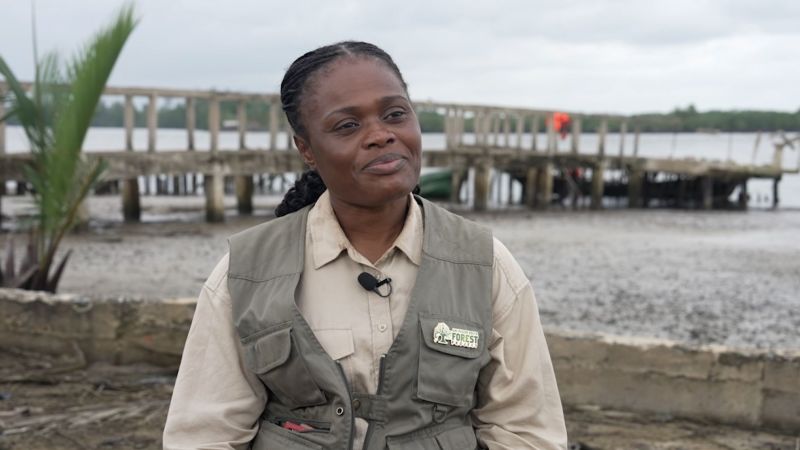
The story of this species’ near-disappearance and subsequent recovery centers on Rachel Ikemeh, a dedicated Nigerian conservationist whose innovative approach transformed local communities from perceived threats into vital guardians of biodiversity.
Discovery and Decline of an Elusive Species
Scientists remained unaware of the Niger Delta red colobus until 1993, when researchers first documented the primate in the region. Despite being well-known to indigenous forest dwellers, the monkey was already considered rare at the time of scientific discovery. Researchers estimated approximately 10,000 individuals inhabited the vast Niger Delta landscape.
Within just twenty years of its scientific documentation, devastating changes threatened the species’ survival. Intensive hunting combined with rapid habitat destruction pushed the population toward collapse. Tree clearing for agriculture, coupled with oil extraction infrastructure including roads and canals, fragmented the once-continuous forest canopy. By 2010, the Niger Delta red colobus had earned a place among the world’s most critically endangered primates.
The ancestral territory spanning 27,000 square miles represents Africa’s second-largest swamp forest and hosts the third-most expansive mangrove ecosystem globally. This rich landscape also contains essential coral reefs and marine habitats that once formed part of the primate’s natural range.
A New Conservation Philosophy Takes Root
When Ikemeh first arrived in the region during 2013, she recognized the urgency of immediate intervention. The surviving monkey population had retreated into isolated forest pockets scattered across just 77 square miles of the southern Nigerian landscape.
In my line of work, I was given the impression that communities were always to blame. They’re the culprit, the problem to the natural environment. The ones hunting animals to extinction and the ones driving deforestation.
Despite this prevailing mindset, Ikemeh chose a different path. She established the South-West/Niger Delta Forest Project, a community-driven conservation initiative that brought her to the Apoi Creek Forest to engage directly with local residents.
Through education programs focused on wildlife conservation, animal requirements, and scientific data collection methods, Ikemeh gradually won community support. By 2021, her efforts had secured a 2,500-acre conservation zone actively monitored and protected by the Apoi people.
From Crisis to Recovery
The transformation has been substantial. Ikemeh recalled that the species stood “right at the edge of becoming extinct” when she began her work. Population estimates had plummeted to approximately 200 individuals at their lowest point.
But today, as I speak to you, we have the records of four thriving groups, nursing and nurturing their babies. They’re repopulating where conservation areas were created, where habitat restoration is ongoing, and where the forest is now being restored.
Current estimates suggest the monkey population has doubled since the conservation program’s inception. This outcome exceeded Ikemeh’s expectations for what began as a short-term initiative but evolved into a decade-long community partnership.
Expanding the Mission Beyond Forests
The success of SWNDFP prompted significant expansion. The organization now safeguards more than 20,000 acres of forest habitat and protects at least sixteen threatened species across the region.
Earlier this year, Ikemeh—recognized as a Rolex Awards Laureate—extended her conservation work into marine environments. She established Nigeria’s first locally managed marine area within the Foropa Middleton Kingdom, a coastal settlement along the Atlantic shoreline.
The coastal region has experienced dramatic ecological shifts over recent decades. Sharks, dolphins, sea turtles, and abundant fish populations once characterized these waters but have significantly declined. Multiple pollution sources compound the crisis: aging oil infrastructure, militant sabotage, illegal artisanal refining operations, and black sand mining activities have transformed the delta into one of Earth’s most heavily polluted environments.
This environmental degradation has created cascading effects for local communities. Fishing populations in areas like Foropa Kingdom have increasingly turned to logging and poaching activities, further threatening the red colobus habitat.
Sustainable Solutions Through Local Stewardship
Ikemeh’s approach recognizes that long-term conservation success requires community ownership. When addressing marine conservation challenges outside her primary expertise, she again emphasized local involvement as the foundation for sustainability.
The conservationist’s vision extends beyond immediate recovery goals. She advocates scaling successful models to surrounding regions, ensuring the Niger Delta red colobus and other threatened species have secure habitats for future generations.
As climate pressures intensify and development demands grow, the community-led conservation model pioneered in the Niger Delta offers valuable lessons for global biodiversity preservation. The red colobus’s journey from near-extinction to recovery demonstrates how combining scientific understanding with local knowledge can create lasting environmental change.
Related Reading
Frequently Asked Questions
What is How this conservationist fought to bring?
How this conservationist fought to bring is the main topic of this guide. The article explains the context, practical details, and next steps readers should understand.
Why does How this conservationist fought to bring matter?
How this conservationist fought to bring matters because readers are looking for a useful answer, not just a short summary. Good content should match search intent and help them decide what to do next.