
Iran names slain supreme leader’s son as successor, in a defiant message to Trump
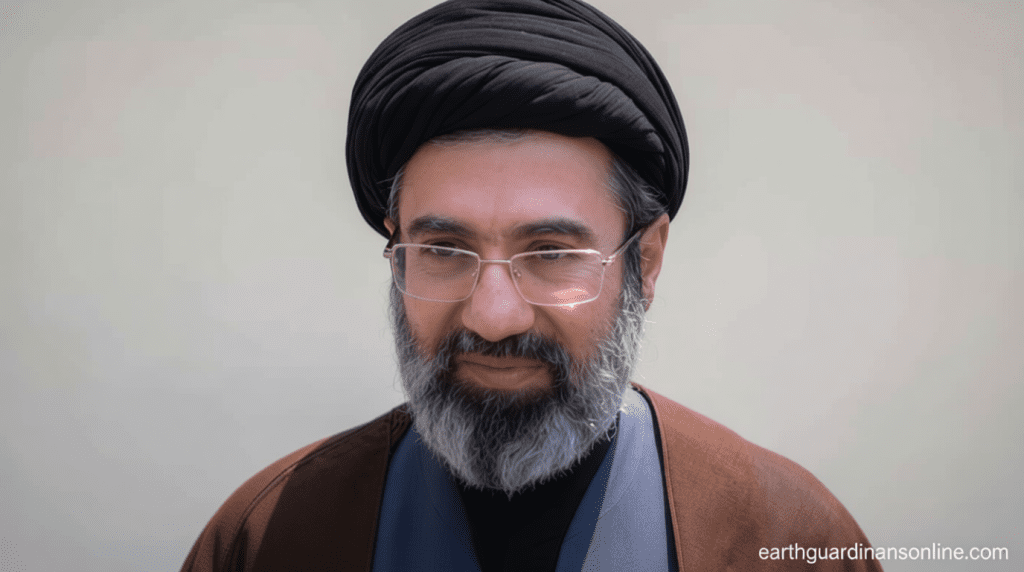
Iran Names Slain Supreme Leader’s Son as Successor, Reinforcing Hardliners’ Grip
Iran’s leadership has made a decisive move, appointing Mojtaba Khamenei, the son of the late Supreme Leader Ali Khamenei, to the role once held by his father for nearly 40 years. This selection has been hailed as a symbolic continuation of the hereditary power structure, despite the 1979 revolution that initially seemed to break that tradition. The 88-member Assembly of Experts, which oversees the selection of Iran’s top cleric, has now solidified the Islamic Republic’s transformation into a dynastic model.
A Defiant Statement to Trump
The choice of Mojtaba Khamenei, a figure once labeled “unacceptable” by President Donald Trump, was framed as an act of defiance against Western influence. It signals Iran’s leadership remains resolute in its stance, unyielding to American pressure. By elevating the slain supreme leader’s offspring, the regime aims to reinforce its ideological and military core, bolstering the Revolutionary Guards’ dominance in the nation’s political landscape.
Reinforcing the System’s Authority
As news of the appointment spread, state media swiftly launched a campaign to legitimize Mojtaba’s ascension. A four-minute documentary was released, highlighting his early life, seminary education, and his wartime experiences during the Iran-Iraq conflict. The film portrays him as a natural heir to his father’s legacy, emphasizing his readiness to lead. Critics had previously questioned his scholarly qualifications for the supreme leader role, but the documentary seeks to preempt such doubts.
Within hours, a cascade of loyalty pledges followed. The president, parliament, and Revolutionary Guard Corps all publicly reaffirmed their commitment to the new leader, reinforcing the unity of Iran’s “nezam” or system. This ritualistic display underscores the regime’s determination to maintain stability and continuity, even under intensified international scrutiny.
Mojtaba’s Background and Rise
Born in 1969, Mojtaba Khamenei received religious training like his siblings, though he never achieved the status of Mujtahid, a title many loyalists view as essential for the supreme leader role. His marriage to Zahra, daughter of former parliament speaker Gholam Haddad Adel, links him to the political elite. For years, he operated discreetly, yet his influence within the father’s administration was evident. He cultivated strong ties to the Revolutionary Guards and economic networks that sustain the regime’s power.
Despite his low public profile, Mojtaba’s hand in shaping policy was unmistakable. In 2005, he was instrumental in supporting Mahmoud Ahmadinejad’s bid for president, a hardline candidate who challenged reformist rivals like Akbar Hashemi Rafsanjani. By 2009, his political acumen was further demonstrated as protesters, disillusioned by Ahmadinejad’s re-election, chanted “Mojtaba bemiri Rahbari ro Nabini,” meaning “May Mojtaba die so you don’t assume the leadership role.”
2019 Sanctions and Regional Ambitions
In 2019, Mojtaba was sanctioned by the US Treasury for his alleged collaboration with the Revolutionary Guards’ commander to advance his father’s “destabilizing regional ambitions and oppressive domestic goals.” This move, however, has not deterred Iran’s hardliners, who see his elevation as a strategic reinforcement of their control. The recent US-Israel strike that killed his father has only intensified the focus on Mojtaba as the next custodian of the regime’s vision.
