
Iran says it will show ‘zero restraint’ if energy infrastructure is targeted again
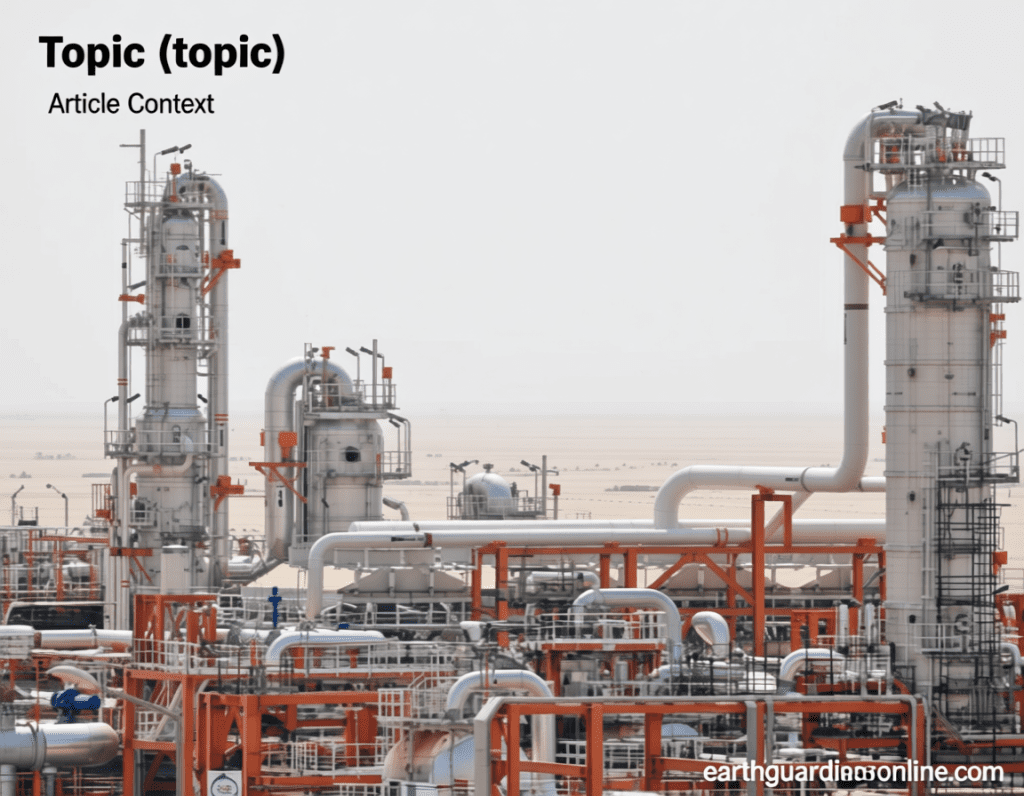
Iran Warns of Unrestricted Retaliation
On Thursday, Iran issued a strong warning, vowing to take ‘zero restraint’ in response to any further attacks on its energy infrastructure. This followed Qatar’s announcement that nearly 20% of its liquefied natural gas export capacity had been disabled by an Iranian strike, potentially causing long-term disruptions. The Iranian foreign minister, Abbas Araghchi, emphasized the threat, stating that the previous retaliation had only used a fraction of Iran’s power. He attributed the restraint to respect for the requested de-escalation, but warned that any future strikes would result in full-scale retaliation.
Iranian Retaliation Targets Gulf Neighbors
The warning came after Israel struck Iran’s South Pars gasfield, a shared facility with Qatar, which sparked Iranian retaliatory actions against Qatar’s Ras Laffan complex and other Gulf nations. These strikes led to global stock market declines and a sharp surge in gas prices. Ras Laffan is a key supplier, accounting for approximately 20% of global liquefied natural gas production. Israel also confirmed that the Bazan Group refinery in Haifa had been damaged during an Iranian strike.
“Our response to Israel’s attack on our infrastructure used only a fraction of our capabilities. The restraint was due to respect for the requested de-escalation. If our infrastructures are struck again, we will show zero restraint,” Araghchi stated on X.
Trump’s Contradictory Claims on Coordination
Amid rising fears of a global energy crisis, and widespread panic in international capitals, Israeli officials refuted Donald Trump’s assertion that their attack on the gasfield had not been coordinated with Washington. Trump had previously requested Congress for an additional $200 billion to fund his war efforts. On Thursday, Trump revised his stance, claiming he had advised Israeli Prime Minister Benjamin Netanyahu not to launch another strike on Iranian gasfields. However, he struggled to explain how the alliance’s junior partner could act independently, causing significant international repercussions.
When asked if Israel had informed Trump about the attack, Netanyahu responded: “Israel acted independently … President Trump asked us to delay future strikes, and we did.”
Possible Next Steps in the Campaign
Despite the deployment of 2,000 US marines to the region, Trump suggested he would not send ground troops to Iran, contradicting reports that he was considering deploying thousands to support operations in the Middle East. Potential next moves in the campaign against Iran involve securing safe passage for oil tankers through the Strait of Hormuz, a task expected to rely mainly on air and naval forces. This could also entail sending US troops to Iran’s coastal areas.
Market Reactions to Escalating Crisis
Global energy markets saw significant fluctuations, with Brent crude rising as high as $119 a barrel before settling at $110, a 3.3% increase. Crude prices have surged by 60% since the war began on February 28. European and UK gas prices also rose sharply, peaking at 24% before easing, with rates more than doubling compared to pre-war levels.
Stock markets experienced heavy sell-offs, with steep declines in Japanese, South Korean, and Hong Kong markets spilling over into Europe. The UK’s FTSE 100 closed down 2.35% at 10,063 points, while similar drops were recorded in Germany’s Dax and France’s CAC. Airlines warned that the fuel price hikes would increase ticket costs, advising passengers to book early. Major carriers like Air France-KLM and Lufthansa planned to add more flights
