
Iran vows to destroy Middle East water and energy facilities if US attacks power plants
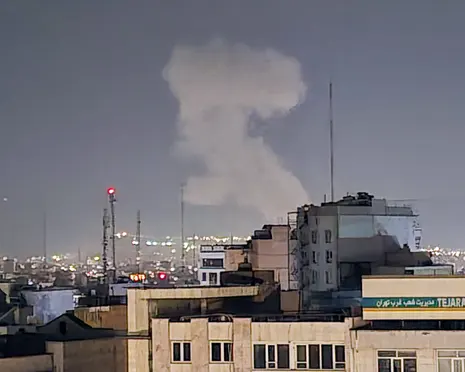
Iran Threatens to Target Middle East Energy and Water Systems in Response to US Power Plant Strikes
The United States has warned Iran that it will “obliterate” the country’s power plants if Tehran does not fully open the strait of Hormuz within 48 hours. In response, Iran has vowed to retaliate by “irreversibly destroying” critical infrastructure across the Middle East, including water systems and energy facilities, should the threat be executed.
Overnight attacks by Iranian missiles on two southern Israeli cities injured dozens, marking a significant escalation. This move, coupled with the deployment of long-range missiles, highlights the growing tension in the fourth week of the ongoing conflict. The Iranian parliament speaker, Mohammad Bagher Ghalibaf, declared that Iran would strike “all energy, information technology, and desalination infrastructure” of the US and Israel if attacked.
“Vital infrastructure in the region would be considered a legitimate target,” Ghalibaf stated on Sunday. “It would be irreversibly destroyed.”
Amnesty International highlighted the risks of such strikes, noting that attacks on essential services like electricity and water could breach international law and, in some cases, constitute war crimes due to the potential for massive civilian casualties.
Iran’s representative to the International Maritime Organisation, Ali Mousavi, emphasized that the strait was open to all vessels except those associated with “Iran’s enemies,” requiring coordination with Tehran for safe passage. However, Iranian strikes have effectively closed the strait, which handles a fifth of global oil and gas supplies, worsening the world’s worst oil crisis since the 1970s.
Iranian attacks have also driven European gas prices up by 35% last week. Only 5% of prewar shipping volume, from nations like China, India, and Pakistan, continues to pass through the strait. Over 2,000 people have been killed in Iran since 28 February, when the US and Israel began their operations, prompting Tehran to strike back at Israel and Gulf states.
Lebanon became involved after Iran-backed Hezbollah launched attacks on Israel. Air-raid sirens echoed across Israel on Sunday morning, signaling incoming Iranian missiles that had injured scores in Arad and Dimona. The Israeli army announced it would retaliate by targeting Tehran, while Prime Minister Benjamin Netanyahu vowed to pursue “senior IRGC commanders” in his speech at Arad.
“We’re going after the regime. We’re going after the IRGC, this criminal gang,” Netanyahu declared. “We’re going after them personally, their leaders, their installations, their economic assets.”
Iran’s health ministry spokesperson, Hossein Kermanpour, reported that patients were evacuated from Imam Ali hospital in Andimeshk after an airstrike the day prior. Israel confirmed it could not intercept the missiles that hit Dimona and Arad, the closest towns to its nuclear center. The US president reiterated his stance, insisting that Iran’s infrastructure was key to its war efforts and that attacks would begin with its largest power plants.
