
Nature’s cleanup crew: Stunning photos show vultures in a different light
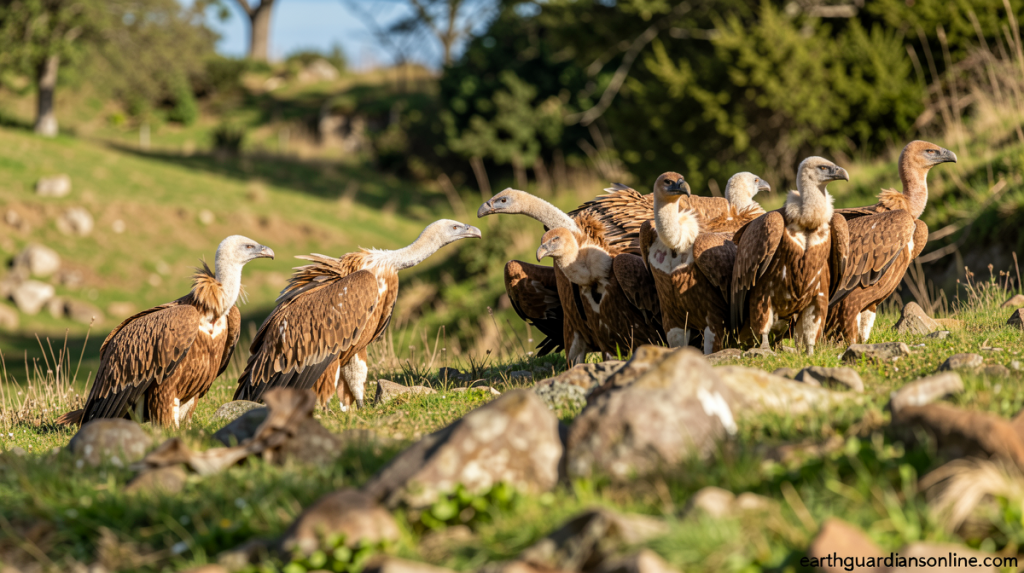
Photography Contest Illuminates the Vital Role of Vultures in Ecosystems
Earthguardiansonline.com – CNN’s editorial initiative, known as Call to Earth, focuses on environmental challenges and their corresponding solutions. Through a partnership with Rolex’s Perpetual Planet Initiative, the series aims to educate audiences and motivate meaningful action regarding sustainability concerns. One particular challenge involves shifting public attitudes toward vultures, creatures often overlooked despite their critical ecological functions.
Overcoming Negative Perceptions
Convincing people to value vulture conservation presents unique difficulties. These birds lack the endearing qualities associated with many beloved wildlife species, and their consumption of decaying flesh contributes to unfavorable impressions. Conservation organizations believe a dedicated photography competition might transform how society views these remarkable birds.
André Botha, who serves as Africa Projects Manager for the Hawk Conservancy Trust, noted that many individuals consider vultures unattractive. The Hawk Conservancy Trust helped establish International Vulture Awareness Day, which sponsors the photography competition. Botha explained that public affection drives conservation efforts: when people dislike something, they are less likely to protect it.
A Global Comeback Story
The Vulture Interactions photography contest, now in its second iteration, revealed its winning images on July 20. These photographs capture diverse vulture species engaged in natural behaviors. Among the winners were images featuring the bearded vulture, recognized as Europe’s most uncommon vulture, alongside the California condor, with approximately 600 individuals remaining worldwide.
Across the globe, twenty-three distinct vulture species inhabit every landmass except Antarctica and Australia. Despite their widespread distribution, numerous populations encounter significant survival challenges. Botha emphasized that Asian and African species experience particularly intense pressures. Among the sixteen Old World species distributed throughout Africa, Asia, and Europe, seven face critical endangerment while two additional species are classified as endangered.
Ecological Services and Growing Threats
Vultures provide essential environmental services by consuming dead animals, which prevents disease transmission from decomposing carcasses and reduces human labor requirements for waste management. Botha, who additionally serves as co-chair of the International Union for Conservation of Nature’s vulture specialist group, stated that no other creature possesses the specialized adaptations that enable vultures to perform their unique ecological function.
Modern infrastructure poses substantial risks to vulture populations. Power lines and wind turbines create collision hazards, while habitat fragmentation isolates breeding groups. Poachers also target these birds, selling various body parts on the black market. Vultures possess extraordinary vision capabilities, allowing them to detect a three-foot-long carcass from distances reaching four miles. Some buyers purchase vulture heads, convinced they possess prophetic properties.
Poisoning: The Primary Danger
Intentional poisoning represents the most significant threat to vulture survival. Poachers sometimes deploy toxins to eliminate vultures that circle overhead and reveal their illegal activities. Secondary poisoning occurs when people poison predators such as lions and hyenas, subsequently killing vultures that consume the contaminated carcasses.
India’s Diclofenac Crisis
The devastating impact of veterinary drugs on vulture populations became particularly evident in India during the 1990s. Diclofenac, an anti-inflammatory medication introduced for animal treatment, caused kidney failure in vultures consuming carcasses of treated livestock. This pharmaceutical disaster eliminated ninety-five percent of India’s wild vulture population within the latter half of the decade.
Research indicated that the vulture decline may have contributed to five hundred thousand additional human fatalities over five years during the early 2000s. Without vultures to dispose of carcasses, feral dogs and rats proliferated, transmitting diseases to human communities. Botha expressed hope that the photography competition will enhance public understanding of vultures’ indispensable ecological contributions, even if aesthetic appreciation remains limited. He acknowledged that people might develop reluctant respect for these birds based on their functional value rather than their appearance.
Beyond raising awareness, Botha emphasized the importance of engaging younger generations in conservation work. He believes cultivating new advocates will ensure that vulture protection efforts continue advancing into the future.
