
Starmer distances UK from Iran war as EU leaders rule out sending warships
Starmer distances UK from Iran war as EU leaders rule out sending warships
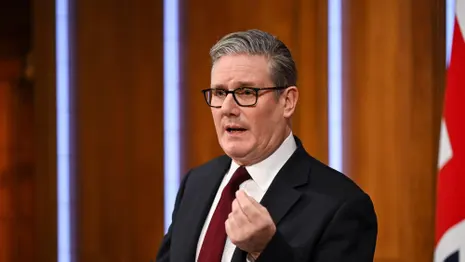
Prime Minister Keir Starmer has reaffirmed the UK’s commitment to avoiding full involvement in the broader Middle East conflict, as European leaders collectively declined to deploy naval vessels to the Strait of Hormuz. His statement marked a clear departure from the U.S. approach under Donald Trump, who had previously urged allies to support military actions against Iran. Starmer acknowledged the challenge of resisting American pressure, stating, “It’s a difficult decision, there’s no denying that,” while emphasizing the UK’s focus on protecting its own interests.
With domestic concerns rising over U.S. demands for British military assistance in maintaining shipping routes, Starmer declared, “While taking necessary steps to defend ourselves and our allies, we will not be drawn into the wider war.” This stance aligns with Germany and Italy, which also expressed no intention to send warships. Similar positions were echoed by Australia, France, and Japan, prompting Trump to criticize the UK’s inaction, calling it “terrible” and highlighting his frustration with Starmer’s refusal to provide minesweepers.
“I was very surprised with the United Kingdom, because two weeks ago, I said, why don’t you send some ships over? And he really didn’t want to do it,” Trump remarked. “We’ve been with you. You’re our oldest ally, and we spend a lot of money on, you know, NATO and all of these things to protect you.”
Starmer’s resolve to resist U.S. pressure came after a phone call from Trump on Sunday night, during which the president insisted on British support to secure the Strait of Hormuz. The prime minister said he was “exploring options” but stressed that the decision would hinge on the UK’s national interests. Meanwhile, ministers are preparing to send aerial minesweeping drones to the region, aiming to address concerns that sending ships could worsen the crisis.
The UK’s last operational minesweeping ship, HMS Middleton, departed Bahrain for maintenance just before the conflict began, sparking internal debate over whether the government adequately prepared. Iran’s threat to block oil shipments through the strait—critical for a fifth of global oil supplies—has already pushed prices from $65 (£49) per barrel to over $100, prompting economists to forecast increased inflation and slower economic growth.
Starmer’s refusal to join the initial U.S. strike on Tehran has strained relations with Trump, who argued the UK’s absence allowed the conflict to escalate. The prime minister defended his choice as rooted in “principles shared by the British people,” prioritizing a measured assessment of national interest over immediate action. He also reiterated efforts to collaborate with allies across Europe, the U.S., and the Gulf to find a solution, though no immediate plan was announced.
Amid soaring energy costs, Starmer announced £53 million in aid for low-income households relying on heating oil. Officials warn that without a negotiated resolution, the war’s economic impact will persist, urging caution in how maritime traffic is safeguarded moving forward.
