
Trump again tries to curb birthright citizenship and ‘birth tourism’ through executive action
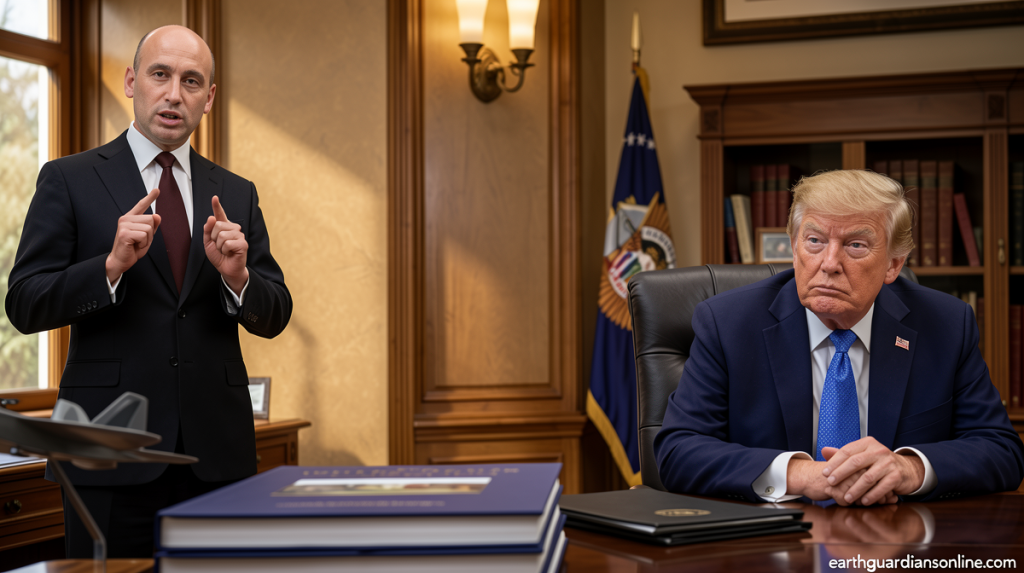
Executive Orders Aim to Narrow Birthright Citizenship After Supreme Court Rejection
Earthguardiansonline.com – President Donald Trump has launched a fresh initiative to restrict birthright citizenship and what critics call “birth tourism,” responding directly to a recent Supreme Court ruling that invalidated his previous attempt. The president signed two executive orders on Thursday, measures that appear designed to strengthen existing legal frameworks while narrowing the categories of people who qualify for automatic citizenship at birth.
This approach represents a more restrained strategy than the sweeping executive order Trump issued last year, which sought to fundamentally alter the constitutional guarantee for children born in the United States to non-citizen parents. The Supreme Court struck down that broader effort in June, emphasizing that the Fourteenth Amendment protects the citizenship rights of anyone born on American soil, regardless of their parents’ immigration status.
“We had a very unfortunate decision in the Supreme Court concerning birthright,” Trump told reporters gathered in the Oval Office on Thursday.
Targeting Specific Categories of Foreign Nationals
One of the executive orders signed by Trump on Wednesday specifically addresses what the administration describes as “alien enemies.” This order targets members of foreign terrorist organizations and individuals who lobby or act on behalf of foreign governments. According to White House deputy chief of staff Stephen Miller, who helped design the administration’s immigration policies, children born to people falling into these categories would no longer automatically receive birthright citizenship.
The second executive order concentrates on birth tourism, a phenomenon that has drawn significant attention from immigration advocates. Current United States law already prohibits individuals from obtaining visas when their primary objective is securing U.S. citizenship for a child through birth on American soil. Miller characterized the new executive order as a comprehensive ban on birth tourism, though legal experts note uncertainty about how this measure would enhance provisions already codified in federal statute.
Supreme Court’s Robust Defense of Constitutional Rights
The Supreme Court’s ruling on June 30 provided an extensive affirmation of birthright citizenship as it has been understood throughout more than a century of American history. The court determined that children born on American territory are citizens even when their parents reside in the country illegally or on temporary visas. A majority of five justices concluded that the Fourteenth Amendment secures this right, despite objections from conservative justices who argued the decision failed to address the specific type of birth tourism that concerned the president.
“Citizenship, then and now, was the right to have rights — to freely participate in our political community,” Chief Justice John Roberts, a conservative, wrote for the court. “The Framers of the Fourteenth Amendment extended that promise to ‘every free-born person in this land.’ We keep that promise today.”
Justice Brett Kavanaugh, serving as the sixth justice in this matter, determined that Trump’s original executive order limiting birthright citizenship violated federal law rather than the Constitution itself.
Historical Exceptions and Ongoing Dissent
The court has historically acknowledged certain exceptions to the birthright citizenship rule, and it reaffirmed these limitations in its summer decision. These exceptions apply exclusively to children born to diplomats and individuals classified as “enemies” during periods of “hostile occupation.”
Despite these narrow exceptions, several conservative justices expressed concern that the June 30 ruling would permit the birth tourism practices Trump sought to prevent. Justice Clarence Thomas articulated this position forcefully in his dissenting opinion.
“The court has repurposed the Fourteenth Amendment to protect its own set of preferred rights that the Reconstruction Congress never contemplated and that cannot find support in its text,” Justice Clarence Thomas wrote in a dissent. “Today, the court does so again by recognizing a constitutional right to citizenship for the children of all foreign birth tourists and illegal aliens.”
Justice Neil Gorsuch joined Thomas’s dissenting opinion. Justice Samuel Alito authored a separate dissenting opinion addressing the issue.
“As interpreted by the court today, the Fourteenth Amendment confers citizenship on virtually everyone who happens to be born in this country, including the children of ‘birth tourists,’ women who come here solely for the purpose of giving birth to a child and then promptly return home,” Justice Samuel Alito wrote in a solo dissent.
Implications for Immigration Policy
The executive orders represent the administration’s effort to work within the constitutional boundaries established by the Supreme Court while still pursuing its policy objectives. By targeting specific categories of foreign nationals and strengthening existing visa restrictions, the administration hopes to reduce the number of non-citizens who can claim citizenship for their children through birth on American soil.
Legal scholars note that the effectiveness of these measures will depend largely on how they are implemented and whether they withstand potential legal challenges. The orders may face scrutiny from civil rights organizations and immigration advocacy groups that view birthright citizenship as a fundamental protection for vulnerable populations.
The administration’s approach reflects a broader strategy of using executive authority to shape immigration policy while navigating the constraints imposed by judicial interpretations of constitutional provisions. As the implementation of these orders proceeds, their impact on American families and the broader immigration landscape will become increasingly clear.
Related Reading
Frequently Asked Questions
What is Trump again tries to curb birthright?
Trump again tries to curb birthright is the main topic of this guide. The article explains the context, practical details, and next steps readers should understand.
Why does Trump again tries to curb birthright matter?
Trump again tries to curb birthright matters because readers are looking for a useful answer, not just a short summary. Good content should match search intent and help them decide what to do next.
