What does Trump mean when he says the US is ‘low-keying’ negotiations with Iran?

Trump’s ‘Low-Keying’ Iran Talks: What It Means for Diplomacy
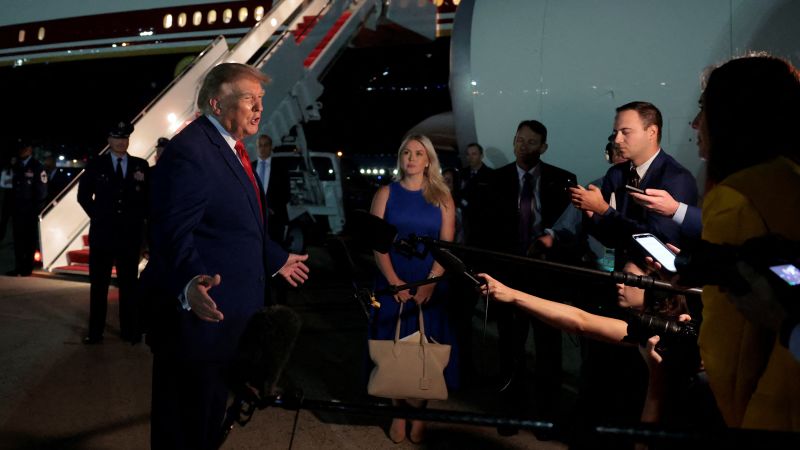
Earthguardiansonline.com – What does Trump mean when he says the United States is “low-keying” negotiations with Iran? The president’s latest diplomatic phrasing signals a shift away from his traditional high-stakes approach. Rather than threatening immediate military action, Washington is applying economic pressure while maintaining a measured posture toward Tehran. This strategy emerged as Iran increased demands regarding the Strait of Hormuz reopening over the weekend.
“We are low-keying it,” Trump explained to Axios. “We are only semi-negotiating with them. We are just watching Iran with its huge inflation and the fact they have no money.”
This statement represents a departure from the president’s typical Iran rhetoric. Historically, Trump has followed a predictable cycle: announcing breakthroughs, threatening consequences, then backing down from strikes before restarting the process. The new approach suggests patience and restraint rather than dramatic escalations.
Understanding the New Diplomatic Language
The president’s usage transforms “low-key” from a traditional adjective into an active verb. This isn’t the first time Trump has employed this distinctive phrase. In early April, while Israel’s bombardment of southern Lebanon affected Iran negotiations, Trump referenced the term during discussions with Prime Minister Benjamin Netanyahu.
“I spoke with Bibi and he’s going to low-key it,” Trump told NBC News at that time. “I just think we have to be sort of a little more low-key.”
The word’s history reveals its evolution. The earliest documented form appears as “low-keyed” in 1786, describing voices or musical compositions performed in lower keys. By the nineteenth century, the term expanded to describe visual artworks with subdued coloration. English poet Peter Bayley used the expression in 1803 when describing a painting of Jesus.
From Subtlety to Modern Slang
The mid-twentieth century brought new meanings to “low-key,” associating it with subtlety and restraint. A 1941 Frederick Post article discussed filmmaker Orson Welles’ theatrical tendencies, noting that “low-key acting is used mostly because it’s the only way Hollywood knows of avoiding clashes in emotional continuity.”
This understated interpretation offers one lens through which to view Trump’s comments. American officials suggest Iran’s strategic position in the Strait of Hormuz will ultimately yield to substantial economic pressure. However, contemporary slang usage provides additional layers of meaning.
As “low-key” entered Black cultural vocabulary, it acquired connotations of secrecy and discretion. Usher’s 2004 hit song “Yeah!” captures this sense, with the artist attempting to “keep it down on the low-key” so his girlfriend wouldn’t discover his nightclub activities. The term also developed an adverbial function as a mitigator, meaning “somewhat” or indicating something “modest.”
Gen Z Communication and Diplomatic Hedging
These linguistic developments spread beyond Black English and were embraced by younger generations throughout the 2010s and 2020s. Adam Aleksic, a linguist recognized online as Etymology Nerd, describes contemporary “low-key” as part of Gen Z communication characterized by deflection and ironic detachment.
When someone says, “I low-key like Drake,” they express appreciation while acknowledging that openly admitting such affection might seem uncool. Conversely, declaring “I high-key like Drake” represents an unapologetic proclamation of admiration.
Trump’s assertion that the United States is “low-keying” conversations with Iran functions as a form of diplomatic hedging. This aligns with his statement about “semi-negotiating.” According to Aleksic, the president’s language conveys confidence that Iran’s economic vulnerabilities will eventually force concessions without requiring dramatic threats or military posturing.
Frequently Asked Questions
What does “low-keying” mean in Trump’s Iran context? In this diplomatic setting, “low-keying” means maintaining a restrained, patient approach to negotiations while applying steady economic pressure rather than making dramatic threats or announcements.
When did Trump first use “low-key” as a verb? Trump began using “low-key” as a verb in early April 2026 during discussions with Israeli Prime Minister Benjamin Netanyahu about Israel’s actions in southern Lebanon.
How does “low-keying” differ from Trump’s previous Iran strategy? Unlike Trump’s traditional cycle of announcing breakthroughs, threatening consequences, and then backing down, “low-keying” represents a more consistent, measured approach without dramatic escalations.
What is the historical origin of “low-key”? The term dates back to 1786 as “low-keyed,” originally describing musical compositions performed in lower keys. It later expanded to describe visual artworks with subdued coloration and eventually evolved into modern slang.