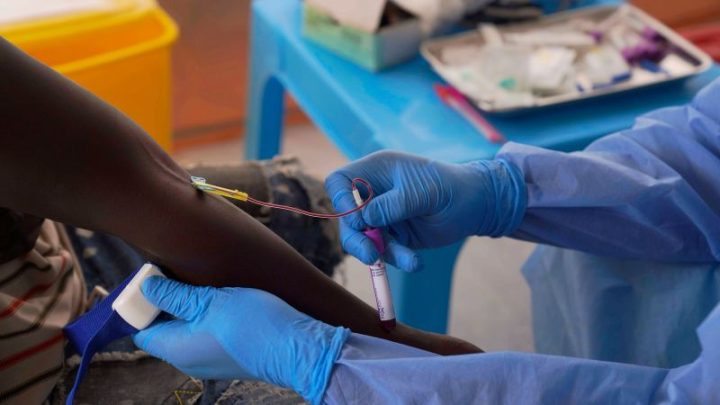
It’s not just a gut feeling: Foodborne illness outbreaks are especially bad this summer

Daftar Isi
Summer 2026: A Perfect Storm for Foodborne Illnesses Across America
Earthguardiansonline.com – Shoppers navigating grocery aisles and diners selecting lunch options this season face an unusually high-stakes environment. Food recalls and contamination events have dominated news cycles, reflecting a genuine public health concern. Federal statistics indicate that the United States is experiencing one of its most challenging summers for foodborne illness outbreaks in recent memory.
Unprecedented Outbreak Numbers
The U.S. Food and Drug Administration has documented a significant spike in contamination investigations. Between 2021 and 2025, the agency typically examined approximately 25 foodborne illness outbreaks annually. In 2026, investigators have already recorded 20 separate cases and continue monitoring 18 active clusters. Remarkably, twelve of these investigations emerged within just two months.
While summer traditionally represents peak contamination season, the current volume of cases within such a compressed timeframe stands out. At least over the past half-decade, no comparable surge has occurred during this period.
Multiple Factors Converge
Several compounding challenges explain the current situation. Unusually high temperatures create ideal conditions for bacterial growth in food products. Simultaneously, certain pathogens have proven difficult to identify and track through traditional methods.
Government budget reductions have further complicated efforts. Federal funding cuts implemented under the Trump administration diminished resources for two critical areas: federal food inspection operations and grants supporting state and local health departments. These local agencies conduct traceback investigations essential for identifying contamination sources.
“We’re seeing the public health system tested right now as it relates to foodborne illness,” said Dr. Manisha Juthani, president of the Association of State and Territorial Health Officials.
Improved Detection, Higher Numbers
The FDA acknowledges that enhanced monitoring capabilities contribute to rising figures. In a statement to CNN, the agency explained that improved laboratory detection methods and strengthened surveillance efforts frequently result in increased case identification.
“Ensuring the safety of the food supply is a shared responsibility among many different points in the global supply chain. All stakeholders must actively participate in food safety efforts, as foodborne illness outbreaks affect both consumers and the entire industry.”
The Cyclospora Crisis
Current active investigations center on four primary pathogens responsible for outbreaks over the past five years: cyclospora, E. coli, listeria, and salmonella. Among these, cyclospora has generated the most dramatic results.
The cyclosporiasis outbreak involving iceberg lettuce has become the largest such event on record in the United States. Taylor Farms, a major food distributor, has been at the center of this contamination event. The lettuce affected restaurants including Taco Bell before spreading through broader distribution channels.
As of last week, at least 6,358 illnesses connected to this single outbreak—surpassing the total cases from all outbreaks combined over the previous four years. Thousands additional cases remain under investigation.
Beyond the Numbers
Food safety specialists caution that simply counting outbreaks or recalls does not fully capture consumer risk. A single recall often encompasses multiple products distributed across various retail locations and restaurants simultaneously.
“It’s not really incorporating the severity and impact,” said Darin Detwiler, a food safety advocate and former professor of food policy and corporate social responsibility at Northeastern University.
Experts recommend measuring five key indicators: severity, frequency, scale, public health burden, and systems performance. The critical question involves whether identical preventable failures continue occurring despite existing regulatory frameworks.
What the Data Reveals
A more meaningful metric focuses on total illness cases rather than outbreak counts. Current projections suggest 2026 could rank among the worst years on record. Approximately 7,400 foodborne illness cases have been associated with outbreaks so far this year, according to FDA and Centers for Disease Control and Prevention data. This figure represents nearly five times the annual average of 1,500 cases recorded between 2021 and 2025.
While the cyclospora outbreak accounts for the vast majority of cases, other contamination events accumulate rapidly. FDA data shows more than 1,000 additional illness cases beyond the cyclospora outbreak in 2026. With approximately four months remaining in the year, the United States appears positioned to exceed the average annual case count from the previous five years combined.
Consumer Implications
The current situation underscores the importance of understanding food safety systems and their vulnerabilities. Consumers may benefit from awareness of which products and establishments have been affected, though experts note that individual risk varies based on multiple factors including geographic location and dietary habits.
Food industry stakeholders face ongoing pressure to strengthen safety protocols and improve communication during contamination events. The cyclospora outbreak, in particular, has highlighted challenges in tracking contamination through complex distribution networks that span multiple states and retail formats.
As investigations continue and new cases emerge, public health officials remain focused on identifying patterns and implementing preventive measures. The summer 2026 outbreak season serves as both a stress test for existing systems and an opportunity for improvement in food safety infrastructure nationwide.
Related Reading
Frequently Asked Questions
What is It s not just a gut feeling?
It s not just a gut feeling is the main topic of this guide. The article explains the context, practical details, and next steps readers should understand.
Why does It s not just a gut feeling matter?
It s not just a gut feeling matters because readers are looking for a useful answer, not just a short summary. Good content should match search intent and help them decide what to do next.