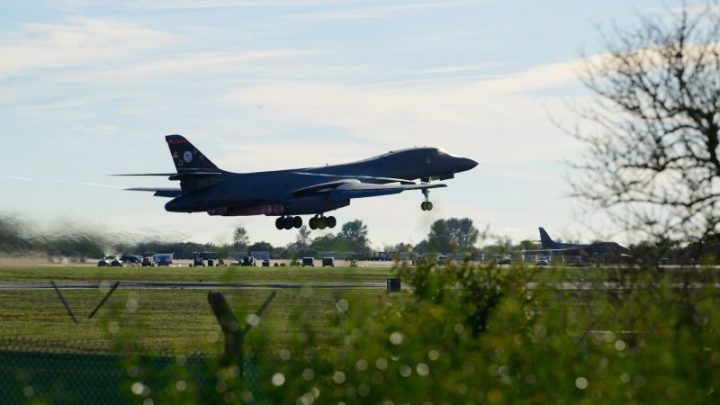
Sailors on carriers like the USS Abraham Lincoln feel the strain as Navy deployments stretch longer

Daftar Isi
Carrier Crews Face Mounting Pressure as Extended Sea Tours Test Navy Resilience
Earthguardiansonline.com – Warriors aboard the USS Abraham Lincoln are navigating uncharted territory, enduring a deployment that has stretched beyond six months and is reshaping life at sea. The aircraft carrier’s extended stay away from home port has created a perfect storm of challenges, from dwindling supplies to mounting psychological strain among the crew. This unprecedented duration could soon surpass the longest carrier deployment since the Vietnam era—a milestone previously claimed by the USS Gerald R. Ford following its 326-day mission that encompassed operations targeting both Iran and Venezuela.
Human Cost of Extended Deployments
Life aboard the Lincoln has grown increasingly difficult as sailors confront not only combat conditions but also deteriorating living amenities. Toilets and water fountains frequently shut down, while hot water becomes an occasional luxury rather than a daily certainty. Food supplies run intermittently low, and hygiene products that once flowed freely now face strict purchase limitations.
Everyday we wake up and listen to our Captain speak, we are desperately hoping and anxious for updates on our return.
One crew member, speaking on condition of anonymity due to concerns about potential repercussions, described a stark contrast to previous deployments. The sailor noted that port calls—once opportunities for rest and resupply—have been largely absent due to ongoing combat operations. “You used to be able to go to the ship store and get as many items as you want, with every hygiene product consistently available,” they explained. “Now there are limits on purchases and hardly any hygiene products are readily available.”
Beyond material hardships, emotional distress runs deep. Crew members have reported hearing repeatedly about suicidal thoughts among their peers, creating an atmosphere of concern that extends throughout the vessel. Two sailors from the Lincoln strike group have already jumped overboard in recent months, though both were successfully rescued according to United States officials. Additional incidents involving crew members attempting to leave the ship have been documented by Navy Times and Stars and Stripes publications.
Systemic Challenges and Family Impact
The trend toward longer deployments reflects a broader shift in naval strategy. Analysis of deployment announcements and fleet tracking data reveals that carrier groups are increasingly asked to exceed the Navy’s recommended seven-month deployment window. Admiral Daryl Caudle has outlined plans for predictable three-year cycles featuring seven-month or 210-day deployments, yet reality increasingly diverges from these targets.
Kate Kuzminski, a defense analyst at the Center for a New American Security think tank, emphasizes that the Navy must recalibrate its approach to match actual conditions. She questions how extended absences affect families newly assigned to vessels like the Ford. “What does it do to a family who’s newly assigned to the Ford?” Kuzminski asked, noting that such circumstances could influence decisions about remaining in or departing from naval service.
We have not observed an increase in suicidal ideations or attempts aboard the ship. We take every service member’s well-being seriously and have religious, medical and mental health professionals available to assess and address concerns as they arise.
The Navy’s official position maintains that deployment length does not correlate directly with self-harm considerations, and that man-overboard incidents remain consistent with historical patterns across different fleets. However, the father of a Lincoln sailor expressed frustration that relief efforts have been delayed, wondering whether some psychological burden could have been mitigated through earlier intervention.
Political Response and Future Outlook
President Donald Trump addressed deployment duration during a Friday press interaction, suggesting the Lincoln’s tour had been “not nearly long enough.” This comment drew immediate reaction from families aboard the carrier. One service member’s wife, speaking to CNN’s Jake Tapper, criticized the President for speaking without reflection and called for greater empathy from both Trump and Secretary of Defense Pete Hegseth.
Take some accountability for what’s going on with your military, your ships, in your war. In your war. It’s infuriating.
Data reviewed by CNN shows that median deployment lengths for United States-based aircraft carriers have climbed steadily since 2020. Experts warn that without structural adjustments, the current trajectory could accelerate sailor burnout and influence retention rates across the fleet. The intersection of operational demands, material shortages, and psychological stress creates a complex challenge that extends beyond individual ships to encompass the entire naval establishment.
As the Lincoln continues its historic deployment, the experiences of its crew serve as a barometer for broader questions about sustainability in modern naval operations. Whether the Navy can maintain readiness while preserving the wellbeing of its sailors remains one of the most pressing concerns facing maritime leadership today.
Related Reading
Frequently Asked Questions
What is Sailors on carriers like the USS Abraham?
Sailors on carriers like the USS Abraham is the main topic of this guide. The article explains the context, practical details, and next steps readers should understand.
Why does Sailors on carriers like the USS Abraham matter?
Sailors on carriers like the USS Abraham matters because readers are looking for a useful answer, not just a short summary. Good content should match search intent and help them decide what to do next.