Five years after the Taliban won, Afghanistan is still losing

Daftar Isi
A Nation in Crisis: Afghanistan’s Women Face Unprecedented Hardship Five Years After Taliban Takeover
Earthguardiansonline.com – Half a decade has passed since the dramatic American departure from Kabul, yet Afghanistan continues to deteriorate into one of the most severe humanitarian catastrophes globally. The country that once commanded attention in American foreign policy circles—where citizens contributed $2.3 trillion toward two decades of military engagement—has faded from international consciousness. This neglect occurs despite overlapping disasters that have driven millions of young people toward starvation and systematically dismantled the fundamental freedoms of women and girls across the nation.
The Humanitarian Emergency Deepens
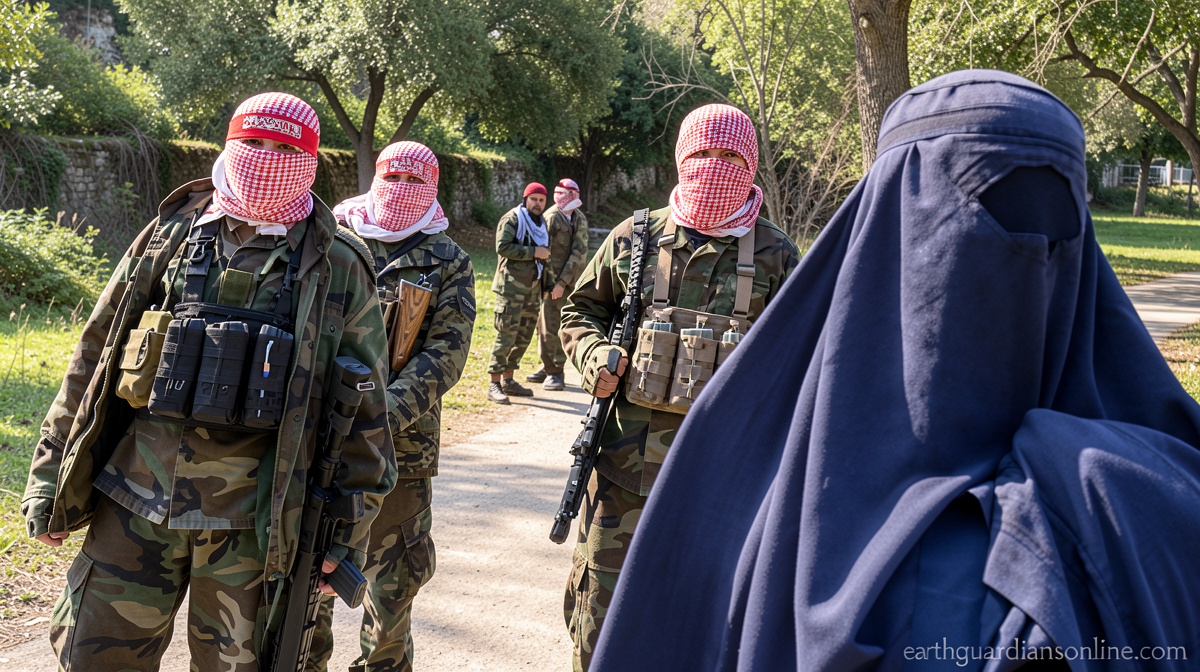
International support for Afghanistan has collapsed dramatically since the Taliban reclaimed control. Approximately forty-five percent of the population requires assistance, yet donor nations have significantly reduced their contributions. The United States, formerly the leading provider of aid, has fallen outside the top five donor countries entirely. This reduction in funding coincides with what experts characterize as “gender apartheid”—a systematic erosion of women’s legal protections and personal agency under Taliban rule.
“To be very blunt, it’s hell if you’re a woman in Afghanistan,” John Sopko, the former Special Inspector General for Afghanistan Reconstruction, explained. “And I don’t see the international community, I definitely don’t see this government – the Trump administration – doing anything, anything at all about it. If anything, they’re creating a bigger mess for the poor people of Afghanistan.”
Sopko’s criticism references a pivotal moment in early 2025 when the American president terminated nearly all USAID humanitarian and development contracts operating within Afghanistan. This decision eliminated more than $1.7 billion in anticipated assistance, compounding existing challenges for vulnerable populations.
Education and Daily Life Under Restriction
Afghanistan stands alone as the sole nation prohibiting girls from continuing their education beyond sixth grade. This prohibition has persisted long enough that an entire generation of young women has navigated adolescence without ever entering a secondary school classroom. UNESCO estimates that 2.4 million girls remain excluded from formal education entirely.
Women face comprehensive restrictions across multiple dimensions of daily existence. Most employment opportunities have been closed to them, public face coverings are now mandatory, and long-distance travel requires a male companion. UN Women documents that fifty percent of Afghan women now exit their homes only once or twice each month. This profound isolation has triggered what the organization describes as a mental health crisis, with seven out of ten women characterizing their psychological wellbeing as either “bad” or “very bad.”
Voices from Within Afghanistan
“I cannot continue working this way because I haven’t been any help to any one of the Afghan women that needed me. I haven’t been able to do it because nobody allows me to. And the women… all of their rights have been taken away from them. And if anybody says anything about it, we are wrong. We are not supposed to say it, but this is exactly what has happened,” Mahbouba Seraj, one of the few Afghan women activists who remained in Kabul following the Taliban’s return, told CNN on Thursday.
Seraj’s words reflect a growing sentiment among local activists who feel increasingly powerless to effect change. Her consideration of leaving the country underscores the deteriorating conditions that have made sustained advocacy increasingly difficult.
Legal Framework and Economic Consequences
Violence against women has received formal legal sanction through recent Taliban decrees. A March ruling permits men to physically discipline their wives provided the action does not fracture bones or produce lasting visible injuries. A separate decree complicates women’s ability to exit marriages while simultaneously eliminating the minimum legal marriage age of sixteen. Human rights organizations including Amnesty International and the UN Committee on the Rights of the Child caution that these measures effectively legitimize child marriage, which has increased steadily since the Taliban regained control.
The legal repression unfolds alongside severe financial constraints. Overall humanitarian funding for Afghanistan has declined nearly seventy percent since 2022. UN Women calculates that more than 10.7 million Afghan women and girls depend on humanitarian assistance for survival. Recent surveys indicate that over half of women-led organizations anticipate closing or suspending operations within the coming year due to insufficient resources. One northern Afghanistan organization, requesting anonymity, described its current operations as running on a “limited scale” with its continued existence “at serious risk.”
Children Bear the Hidden Cost
Children are paying the heaviest price for this convergence of crises. Malnutrition rates have climbed dramatically, with millions of young Afghans facing food insecurity. The education ban has created a “lost generation” of girls who will enter adulthood without basic literacy or numeracy skills. Child labor has increased as families struggle to survive, with many children forced into work rather than school. The psychological toll on children is substantial, as they witness their mothers’ suffering and absorb the uncertainty of daily life under increasingly harsh conditions.
The international community’s response has been characterized by what critics describe as selective attention. While other global crises receive substantial media coverage and funding, Afghanistan’s emergency has diminished in visibility despite worsening conditions. The combination of legal restrictions, economic hardship, and reduced humanitarian support has created a perfect storm for Afghan families, particularly women and children who constitute the most vulnerable segments of society.
As five years of Taliban governance continue, the question remains whether the international community will reengage meaningfully or allow Afghanistan to slip further into crisis. The human cost of continued neglect is measured not only in statistics but in the daily struggles of millions of people fighting for basic dignity and survival.
Related Reading
Frequently Asked Questions
What is Five years after the Taliban won Afghanistan?
Five years after the Taliban won Afghanistan is the main topic of this guide. The article explains the context, practical details, and next steps readers should understand.
Why does Five years after the Taliban won Afghanistan matter?
Five years after the Taliban won Afghanistan matters because readers are looking for a useful answer, not just a short summary. Good content should match search intent and help them decide what to do next.