Screwworm is squeezing ranchers on both sides of the border

Daftar Isi
A parasitic fly, a reopened border, and a cattle industry caught between two economies
Earthguardiansonline.com – The New World screwworm — a small, unassuming fly whose larvae burrow into living tissue and consume flesh from the inside out — has become the unlikely fulcrum of a transborder trade dispute that now pits American ranchers against Mexican producers, meatpackers, and federal policymakers alike. On Monday, the United States will reopen a segment of its southern border at Douglas, Arizona, allowing cattle from Sonora, Mexico, to cross again after more than a year of intermittent closures imposed to contain the parasite’s spread. The decision lands amid record-high beef prices, a shrinking domestic herd, and a political landscape in which the cost of a steak has become a campaign talking point heading into the 2026 midterms.
What the screwworm actually does
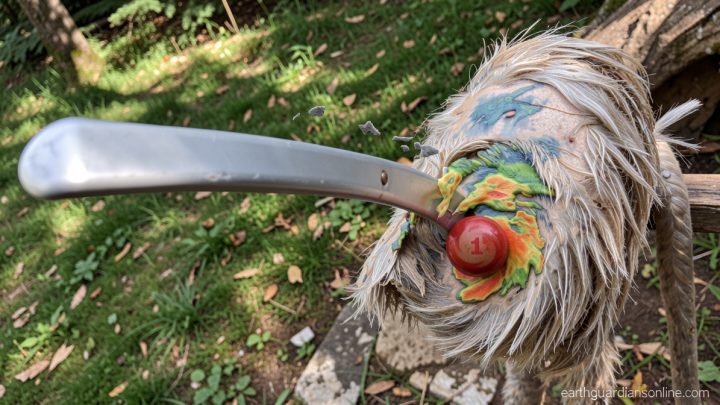
Unlike common house flies, the New World screwworm (*Cochliomyia hominivorax*) lays eggs directly in open wounds or mucous membranes of warm-blooded animals. The resulting maggots feed on living muscle, often killing livestock if untreated. The parasite has been eradicated from most of North America through decades of sterile-insect programs, but recent incursions in Texas and across the Mexican border states have reignited fears that a single infested animal could undo years of containment work. In Chiapas, Mexico, facilities now sterilize wild-caught flies in bulk as part of a broader eradication campaign aimed at protecting the country’s cattle sector.
The Mexican side: families on the line
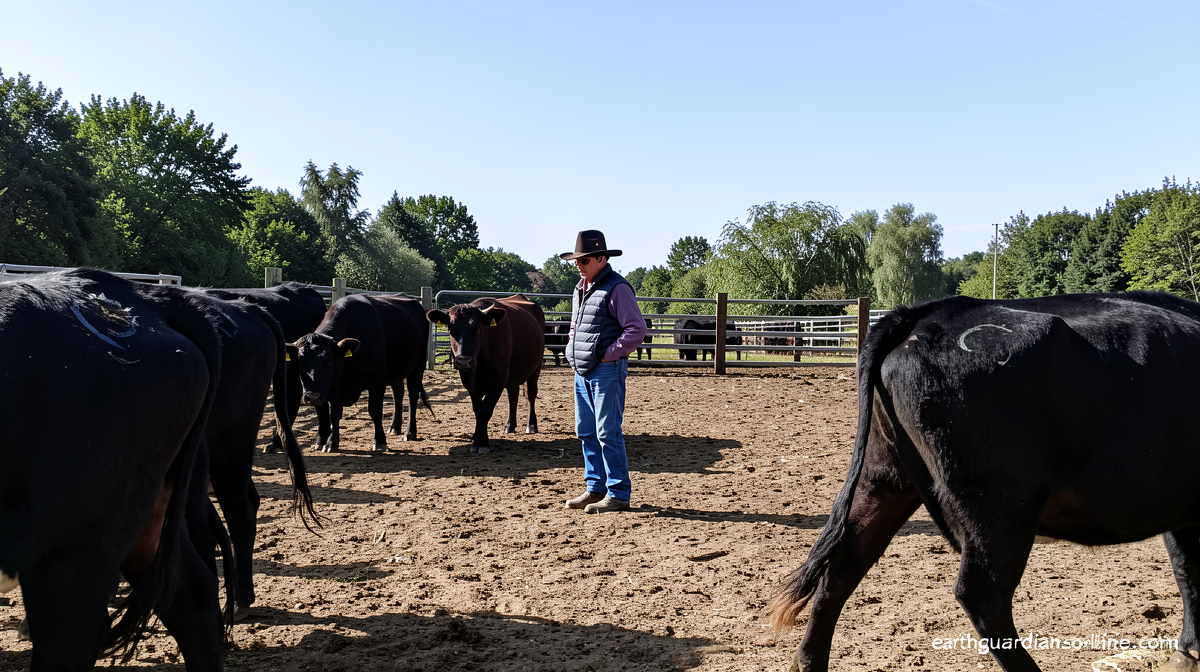
For ranchers in northern Mexico, the border closure that began in November 2024 — tightened again in July 2025 — has been an existential financial shock. Alvaro Bustillos, who leads the rancher’s union in the state of Chihuahua, says the shutdown nearly destroyed his operation. He spent years assembling his workforce and cultivating the buyer relationships that keep a cattle outfit solvent.
“I had to fire people. It took me years to build my team. It took me years to build relationships. This is not only about the cattle trade. This is about families bonded together.”
Bustillos is watching the Sonora reopening closely, hoping that a smooth restart there will eventually extend to his own region. For producers in Chihuahua and neighboring states, the closure has meant months of stranded inventory, lost contracts, and cash-flow crises that small operations cannot absorb.
The American side: a shrinking herd and a bruised industry
On the Colorado side of the ledger, Johnny Mestas, a 74-year-old cattleman working the dry high country of the San Luis Valley, has spent decades fighting what he calls three adversaries: the market, the weather, and his neighbors. Two heart attacks over the course of his career have not dulled his pragmatism.
“Not everybody is meant to be a farmer. You’ve got to be half-crazy. There’s three elements you fight: the market, the weather and your neighbors.”
Mestas has nonetheless been relieved by the current price environment. After years of operating at break-even, he says the past few years have finally produced real profit. That relief, however, is fragile. Ranchers who do not depend on Mexican cattle worry that flooding the domestic market with cheaper foreign livestock will compress prices back toward the margins that made farming economically unviable for a generation.
Bill Bullard, a former South Dakota rancher now serving as CEO of R-CALF, the national association of independent cattle and sheep producers, frames the issue in broader structural terms. He argues that successive administrations have allowed foreign supply to displace domestic production to the point where the country’s food base is exposed.
“In just over a generation’s time, we wiped out half (of) our cattle producers in this country. It’s because we have been growing our dependence on foreign sources, displacing our domestic production in the United States. It is a threat to national security.”
Political pressure and the Argentine beef wildcard
The border question does not exist in a policy vacuum. The White House has already moved to quadruple low-tariff imports of Argentine beef in an explicit effort to cool retail prices. On Friday, the president announced a plan to bring in 300,000 metric tons of additional beef, describing the move as a way to “reduce prices for Americans while giving space for our Great American Beef.” The framing underscores how tightly cattle policy is now entangled with consumer-cost politics.
Jenna Stanton, director of policy at the US Cattlemen’s Association, told reporters that many ranchers interpret the administration’s push to reopen the border as a market-intervention tactic aimed at easing price pressure ahead of the midterms. For producers who have finally seen prices recover, the prospect of a sudden supply influx feels like a reversal of hard-won gains.
The Sonora complication
US officials selected Sonora for the reopening partly because the state had maintained high biosecurity standards and reported no screwworm cases. Days before the scheduled restart, however, Sonora confirmed its first infestation. The single case has not, so far, derailed the Department of Agriculture’s timetable; the agency confirmed Thursday that it intends to proceed with the Douglas crossing. Whether that calculus holds if additional cases emerge remains an open question, and one that will shape whether the border stays open or snaps shut again within weeks.
For ranchers on both sides of the line, the stakes extend beyond a single fly species. They concern the viability of small-scale livestock operations, the integrity of a decades-long eradication program, and the political economy of a commodity whose price tag now sits at the intersection of farm policy, trade law, and electoral strategy.
Related Reading
Frequently Asked Questions
What is Screwworm is squeezing ranchers on both?
Screwworm is squeezing ranchers on both is the main topic of this guide. The article explains the context, practical details, and next steps readers should understand.
Why does Screwworm is squeezing ranchers on both matter?
Screwworm is squeezing ranchers on both matters because readers are looking for a useful answer, not just a short summary. Good content should match search intent and help them decide what to do next.