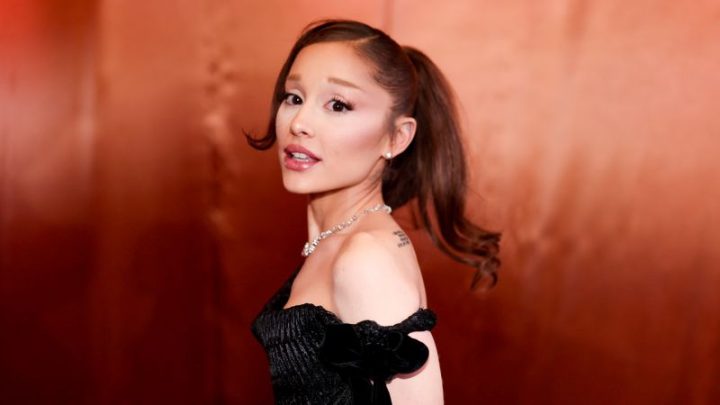
After lots of therapy, Raygun is ready to talk

Daftar Isi
Two Years After Paris, Rachael Gunn Steps Back Into the Spotlight — On Her Own Terms
Earthguardiansonline.com – The internet’s appetite for spectacle rarely fades on schedule, but for Australian breakdancer Rachael Gunn — known worldwide by her stage name Raygun — the two-year cycle of viral infamy has finally cooled enough for her to look back without flinching. On September 1, Netflix will premiere Untold Raygun: Breaking Badly, a documentary that traces her journey into breakdancing, the turbulent road to the Paris Olympics, and the psychological aftershock of becoming the most mocked athlete on the planet almost overnight.
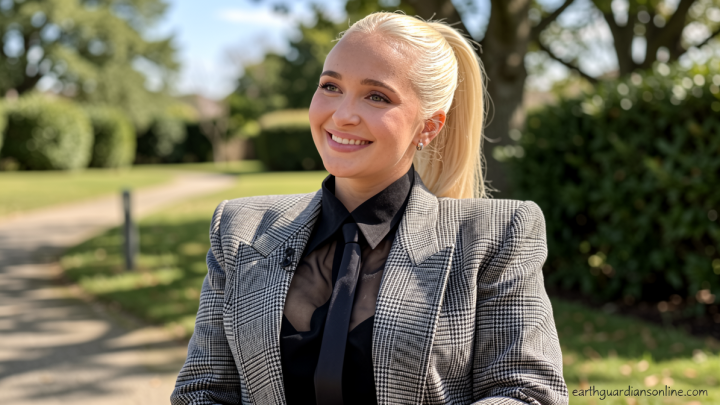
Gunn, speaking from her Sydney home ahead of the film’s release, framed her recovery in language that blends athletic pragmatism with hard-won emotional honesty. She credits extensive therapy sessions with helping her reframe what happened at the Games from a defining humiliation into one chapter among many.
“Paris is now just a part of my story,” Gunn said. “For me, it’s more about radical acceptance of everything that’s happened and just one foot in front of the other, just trying to move ahead.”
From Sydney Streets to the Olympic Podium — Almost
Breakdancing made its Olympic debut in Paris in 2024, and Gunn was one of four competitors in the women’s event. She entered the competition fully aware that her physical ceiling sat below that of her rivals. The documentary captures her anxiety in the Olympic Village in the hours before competing, including a panic attack that left her shaken. Her stated goal, as revealed in the film, was not gold but dignity: to perform her own creative vision without collapsing under pressure.
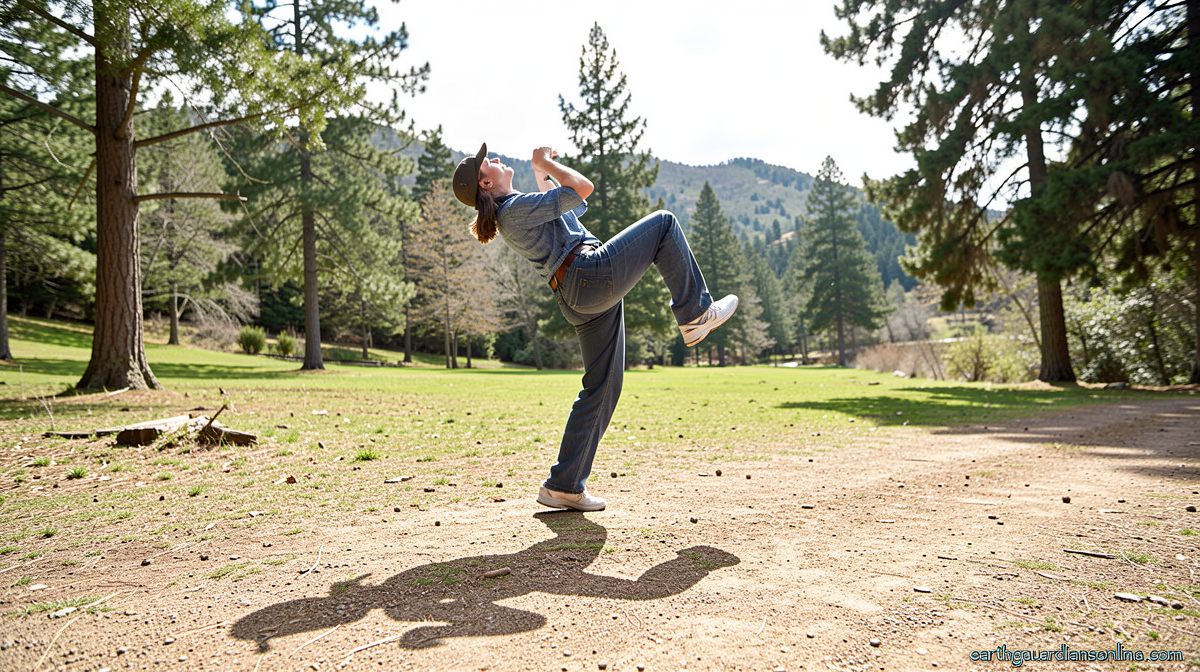
She delivered exactly that. Her routine wove in distinctly Australian flourishes — a sprinkler dance, a movement tradition born in Australian street culture, and a kangaroo hop — alongside freestyle elements meant to showcase individuality. The judges, however, scored her 18-0 across all three rounds. She placed last. Within hours, clip after clip was circulating online, and the tone was merciless.
The Meme Machine Engages
What began as a handful of viral clips escalated into a full-blown cultural phenomenon. Gunn’s name appeared on TMZ and on Joe Rogan’s podcast. Rachel Dratch performed a parody sketch on The Tonight Show. Adele paused a concert mid-set to reference the performance to a stadium audience. Each mention, however well-intentioned, added another layer to what Gunn describes as a sensation of “falling into a dark pit.”
Compounding the ridicule were unfounded conspiracy theories alleging that Gunn and her husband and coach, Samuel Free, had manipulated qualification criteria to secure her Olympic berth. No evidence supported these claims, but the noise was relentless, and Gunn says the cumulative weight became genuinely overwhelming.
“I can’t just be a meme,” she tells viewers in the documentary.
Why Now? The Case for Distance
In a condensed interview conducted ahead of the documentary’s launch, Gunn explained her decision to tell her side of the story only now. She emphasized that the intervening months allowed the initial storm of speculation and misinformation to subside, giving her the mental space to process events without re-triggering the acute distress of the moment.
“I’ve really focused on my mental health, and I feel like I’m in a good place to share my side of the story,” she said. “There was a lot of misinformation, conspiracy theories and speculation. There was a lot of noise, and I think there’s something to be said for waiting for that noise to die down.”
Asked whether she had viewed the finished documentary, Gunn confirmed she had — with “a nice glass, or few, of champagne” in hand. She noted that the temporal distance made the footage feel “less raw” and “less immediate,” a marked contrast to earlier attempts at watching her own performance, which she had long avoided.
No Regrets, No Rewrites
Despite what felt to her in the moment like a “slow-motion car crash,” Gunn insists she is proud of the routine she performed. She wanted to be creative, to be herself, and to refuse the fear of being different in front of a global audience.
“It was important to me to go out there and be myself, to be creative and to not be afraid to be different,” she said. “No regrets.”
Gunn also addressed what she perceives as a gendered dimension to the scrutiny she received, noting that other dancers’ less polished performances at the same Games drew comparatively little public attention. The documentary explores this disparity alongside broader questions about how audiences consume athletic failure, particularly when the athlete is a woman performing a physically demanding art form.
For viewers who encountered Raygun only as a looping GIF or a punchline, Untold Raygun: Breaking Badly offers something rarer: the full arc. The training, the doubt, the panic, the performance, the aftermath, and the slow, imperfect work of rebuilding a sense of self after the world decides you are a joke. Gunn’s message, delivered without bitterness but without pretense, is that the story does not end at the scorecard.
Related Reading
Frequently Asked Questions
What is After lots of therapy Raygun is ready?
After lots of therapy Raygun is ready is the main topic of this guide. The article explains the context, practical details, and next steps readers should understand.
Why does After lots of therapy Raygun is ready matter?
After lots of therapy Raygun is ready matters because readers are looking for a useful answer, not just a short summary. Good content should match search intent and help them decide what to do next.