Trump asks Supreme Court to uphold military’s ban on transgender service members

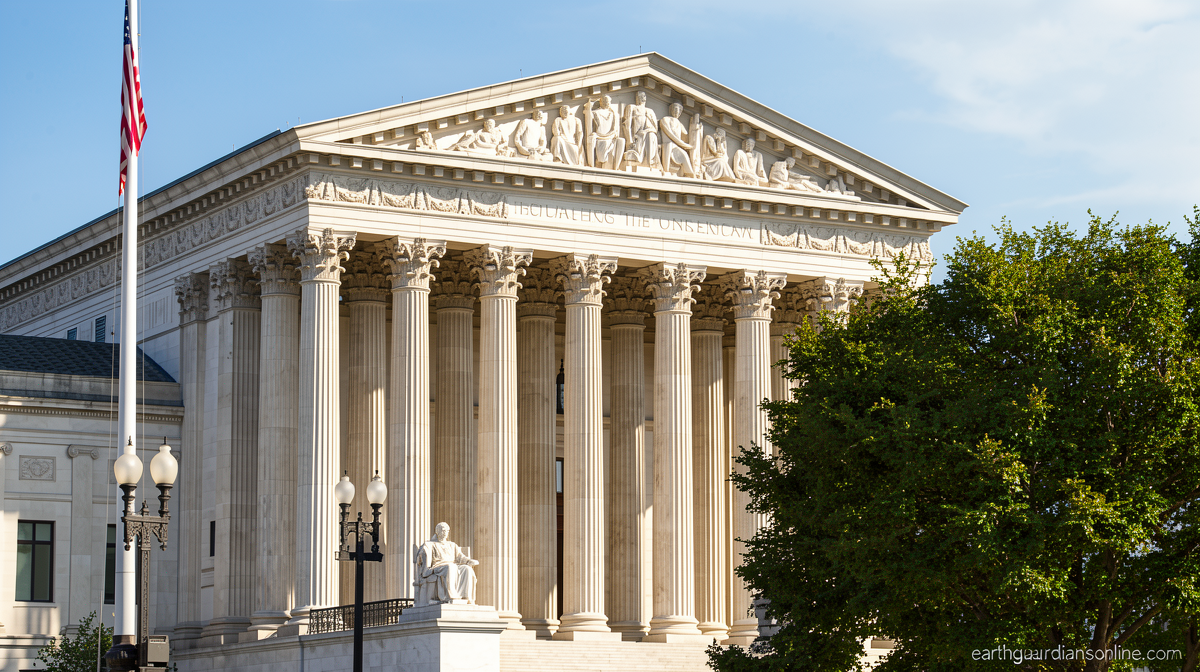
Trump Asks Supreme Court to Uphold Military Ban
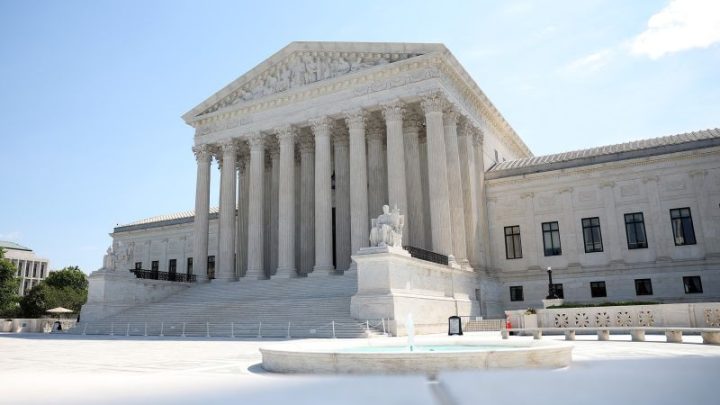
Earthguardiansonline.com – The White House has formally asked the Supreme Court to uphold a sweeping exclusion that bars transgender Americans from serving in the armed forces. The petition, lodged by the current administration, would ask the six-justice conservative majority to confirm that the federal government may categorically remove transgender personnel from active duty, reserve, and National Guard assignments. A decision on whether to grant review is anticipated this fall, with a possible merits ruling as early as next summer.
How the Ban Took Shape
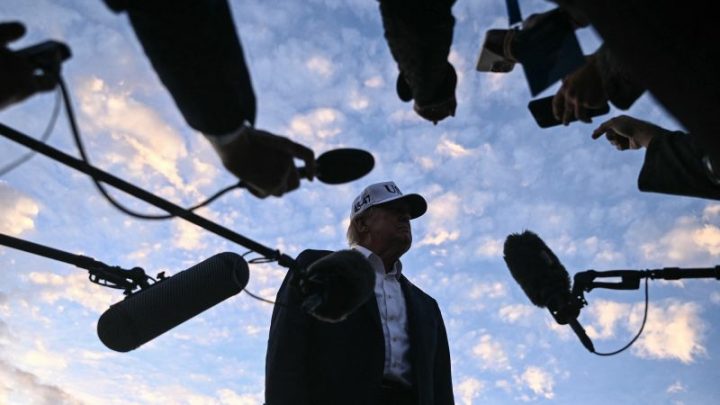
Days after taking office in January 2025, President Trump signed an executive order directing the Department of Defense to treat transgender status as incompatible with military service. The move effectively undid a 2021 action by former President Joe Biden, who had rescinded a comparable prohibition Trump had imposed during his first term. That original ban had drawn fierce debate over medical-readiness standards and unit cohesion before it was ultimately struck down by lower courts.
Under the present framework, service members carrying a clinical diagnosis of gender dysphoria — the distress felt when one’s gender identity diverges from sex assigned at birth — face separation from all components of the military. Defense officials have identified 4,240 such personnel across the three branches. Advocates note that not every transgender individual carries that specific diagnosis, a distinction that has complicated both policy drafting and the litigation challenging it.
A Tangled Lower-Court Record
The ban’s path through the judiciary has been anything but linear. Last year the Supreme Court issued emergency relief permitting the president to enforce the exclusion before any merits hearing could take place. The court offered no written explanation for that order, and the three liberal justices who dissented likewise declined to publish a statement.
Since then, lower tribunals have pushed back. In June, a divided three-judge panel of the U.S. Court of Appeals for the District of Columbia Circuit sustained a preliminary injunction protecting 28 service members who had sued over their separations. The administration is simultaneously appealing a separate district-court ruling in Washington, D.C., that had sided with a cohort of already-serving transgender personnel.
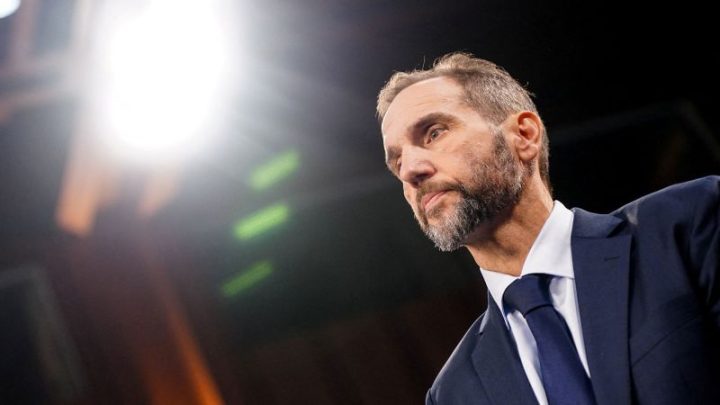
In its appeal brief, Solicitor General D. John Sauer framed the question in broad institutional terms:
“The authority of the US military to determine who may serve in the nation’s armed forces is a matter of exceptional importance.”
The brief, which has not yet been publicly docketed, urges the justices to step in before lower courts continue narrowing the policy’s reach.
A Pattern of Conservative Rulings
The petition lands against a backdrop of repeated setbacks for transgender Americans at the 6-3 court. Earlier this year, a six-justice majority validated state-level rules barring transgender students from competing on girls’ and women’s sports teams. Last year, in another 6-3 decision, the court permitted a Tennessee statute restricting puberty blockers and hormone therapy for minors seeking to medically transition. Together, those rulings have compressed the legal space available to transgender individuals in schools, healthcare, and now the uniformed services.
Trump campaigned forcefully on anti-transgender positions throughout the 2024 election cycle and, once back in office, moved quickly to dismantle protections accumulated over the preceding decade. The military ban stands among the most visible of those rollbacks, given the public profile of the armed forces and the practical consequences for thousands of career servicemembers.
Advocates Press for Due Process
Legal advocates representing affected service members argue the administration is seeking a shortcut through the appellate process. Shannon Minter, legal director of the National Center for LGBTQ Rights, characterized the filing as an attempt to short-circuit ordinary judicial review:
“The Trump administration wants the Supreme Court to rush in and bless the expulsion of proven, decorated soldiers before a single court has issued a final judgment. There is no circuit split, no emergency, and no merit – only a policy that multiple courts have now found was driven by prejudice rather than military need.”
That framing underscores a procedural point: the Supreme Court ordinarily intervenes only when lower courts have produced a genuine conflict of authority or when a matter of exceptional national urgency demands immediate resolution. Neither condition, advocates contend, is present here.
Frequently Asked Questions
What exactly is the administration asking the Supreme Court to do? The White House is asking the Court to uphold the executive-order ban that categorically excludes transgender service members from military service, effectively ending the lower-court litigation before a final merits judgment is reached.
How many service members are affected? Defense officials have identified 4,240 service members across all branches who carry a gender-dysphoria diagnosis and are therefore subject to separation under the current policy.
When will the Court decide whether to hear the case? A ruling on whether to grant review is expected this fall. If the justices accept the petition, a final merits decision could arrive as early as next summer.
What happened in the lower courts so far? A divided D.C. Circuit panel sustained a preliminary injunction protecting 28 service members in June, and a federal district court in Washington, D.C., ruled in favor of another group of serving transgender personnel. The administration is appealing both decisions.