Google Maps changes Lake Ontario to ‘Lake America’ in US searches

Daftar Isi
Google Maps Drops “Lake Ontario” for American Users After Trump Executive Order
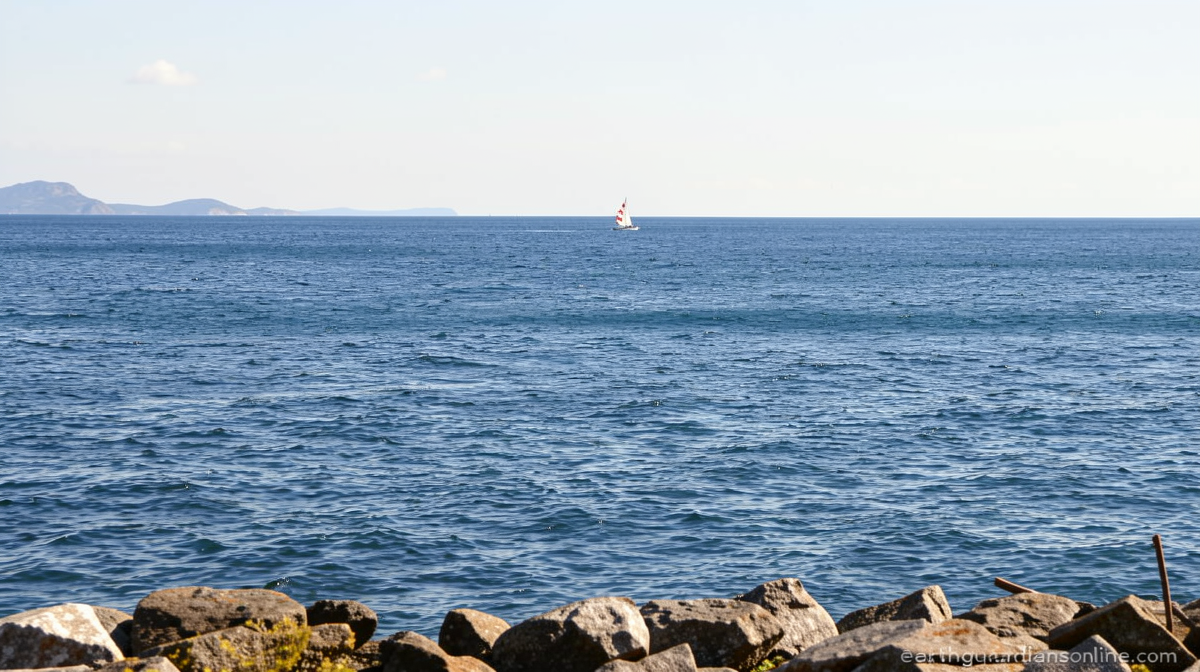
Earthguardiansonline.com – The smallest of the five Great Lakes has acquired a new identity for millions of Americans. Beginning this weekend, anyone opening Google Maps from within the United States and searching for the waterway that borders Ontario, New York, and the surrounding provinces will encounter a label they have never seen before: “Lake America.” The shift follows a Thursday executive order signed by President Donald Trump, which directed federal agencies to adopt the new designation as part of an ongoing trade confrontation with Canada.
The rebranding is not merely cosmetic. It flows through the U.S. Geographic Names Information System (GNIS), the federal database that catalogs official place names across American territory. Once GNIS registers a new name, mapping platforms that track government sources update their displays accordingly. Google confirmed the mechanism in a Saturday statement, explaining that its maps now mirror the GNIS entry for users located in the United States while leaving the Canadian display untouched.
How the Map Display Works by Region
Google outlined a three-tiered approach to the naming split. American users see only “Lake America.” Canadian users continue to see “Lake Ontario” without alteration. Viewers in every other country receive a hybrid rendering: “Lake Ontario (Lake America),” with the American designation tucked into parentheses after the traditional name. The company framed the update as consistent with its “long-standing policy for bodies of water with names that vary from country to country,” a clause that has previously governed how it handles disputed or dual-named geographic features.
Ottawa and Toronto Push Back
The Canadian response has been swift and pointed. Prime Minister Mark Carney stated plainly that his country would “forever” refer to the shared waterway by its historical name. The message was reinforced on Saturday by Ontario Premier Doug Ford, who staged a small ceremony on the Canadian shoreline. He unveiled a large sign bearing the words “Lake Ontario” in bold type, followed by the tagline “Now and Always.” Ford then recorded a short video in which he stood before the placard and addressed the camera directly:
“Let’s be clear: Long before President Trump, this lake was called Lake Ontario. And long after President Trump is gone, it will still be called lake Ontario.”
The gesture underscores a legal reality: the lake sits under the Boundary Waters Treaty, an accord dating to the early twentieth century that established joint stewardship and dispute-resolution mechanisms for waters shared between the two nations. While a sitting president holds broad authority over how U.S. federal documents and agencies label geographic features, that authority does not extend across the border. Canada retains full sovereignty over its own naming conventions, and no executive order in Washington can compel a Canadian municipality, province, or federal body to adopt an American designation.
White House Celebration
Administration officials treated the map update as a small victory worth publicizing. White House Communications Director Steven Chueng took to social media on Sunday to announce the change with capital-letter emphasis:
“It’s official! LAKE AMERICA on Google Maps.”
Trump himself shared a link to coverage of the renaming, posting it to his personal social-media account without additional commentary. The episode fits a pattern that began on his first day back in office in January 2024, when he directed the renaming of the Gulf of Mexico to “Gulf of America.” Google issued a comparable compliance statement at that time, confirming it would reflect the new federal label for U.S.-based users.
What Other Mapping Services Are Doing
Not every digital map has followed suit. As of Sunday afternoon, both Waze and Apple Maps continued to display “Lake Ontario” without modification. MapQuest took a more vocal stance, issuing a brief social-media post on Thursday that read simply: “We’re not changing it.” The divergence among platforms means that American drivers and travelers will encounter inconsistent labels depending on which navigation app they open—a practical inconvenience that may outlast the political moment that prompted the change.
Broader Implications
The Lake Ontario episode sits at the intersection of domestic naming authority, international treaty obligations, and the commercial logic of tech companies that must choose which government source to mirror. For cartographers, hydrologists, and the millions of residents who live along the lake’s 712-mile shoreline, the practical impact is limited: shipping channels, water-quality monitoring, and municipal services all operate under established treaty frameworks that reference the lake by its treaty-recognized name. Yet the symbolic weight of the change is considerable. It signals that geographic identity—something most people assume is fixed and apolitical—can be repurposed as a lever in trade negotiations, and that the companies mediating everyday access to maps now function as de facto arbiters of which nation’s label prevails in which jurisdiction.
Whether “Lake America” persists beyond the current administration remains an open question. The Gulf of Mexico precedent suggests that such designations can be reversed by a subsequent president with equal ease. Until then, American map users will navigate a lake whose name, at least on their screens, belongs to no province, no treaty, and no history they recognize.
Related Reading
Frequently Asked Questions
What is Google Maps changes Lake Ontario to Lake?
Google Maps changes Lake Ontario to Lake is the main topic of this guide. The article explains the context, practical details, and next steps readers should understand.
Why does Google Maps changes Lake Ontario to Lake matter?
Google Maps changes Lake Ontario to Lake matters because readers are looking for a useful answer, not just a short summary. Good content should match search intent and help them decide what to do next.