Ukraine defies Trump and launches one of its biggest drone attacks on Russia this year

Daftar Isi
Ukraine Defies Trump and Launches Major Drone Attack on Russia
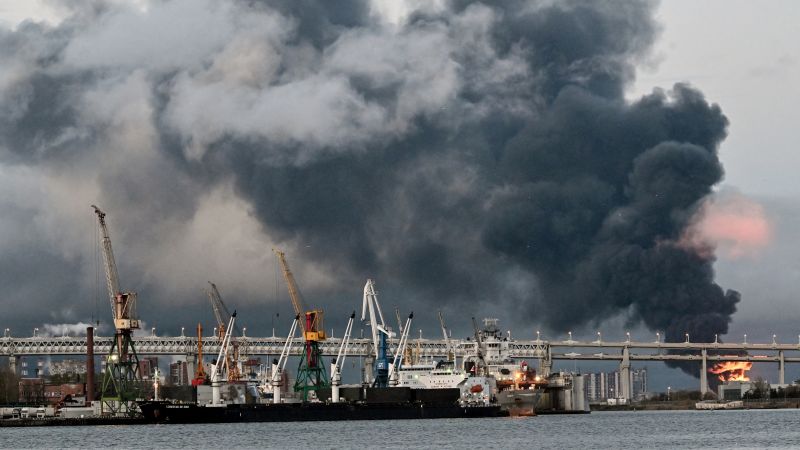
Earthguardiansonline.com – Ukraine defies Trump and launches one of its largest drone operations of the year against targets inside Russia, including a major oil terminal in St. Petersburg. The overnight attack came as Kyiv faces growing pressure from US President Donald Trump to halt strikes on Russian energy infrastructure.
The operation highlighted Ukraine’s determination to maintain long-range strike capabilities while Russia continues attacks on Ukrainian cities, energy systems and fuel facilities. Ukrainian officials have argued that Moscow has not shown restraint despite discussion of a possible pause in attacks on energy targets.
St. Petersburg Oil Terminal and Logistics Site Hit
Russia’s defense ministry said its air defenses destroyed 1,015 Ukrainian drones across several regions during the assault. Among the reported targets was the St. Petersburg Oil Terminal, a key facility capable of processing up to 12.5 million tons annually.
Fire Point, the Ukrainian company that makes drones used in the attack, said a fire broke out on the terminal’s grounds. Ozon, a Russian distribution company, also said that a logistics center in St. Petersburg had been attacked.
Local authorities reported that one person was killed and five others were injured. Residential buildings were also damaged, underscoring the risks for civilians as drone warfare expands far beyond the front line.
Ukraine defies Trump and launches these long-range strikes as it seeks to disrupt infrastructure that can support Russia’s military campaign. Kyiv has repeatedly targeted refineries, depots, industrial sites and logistics networks using domestically produced drones.
Trump Criticizes Strikes on Russian Energy Infrastructure
The drone campaign follows Trump’s criticism of Ukrainian attacks on Russian oil facilities. He described strikes on Russian oil refineries as a “disgrace” and urged an end to attacks on energy infrastructure.
Trump said a week earlier that Russia and Ukraine had agreed to stop attacking each other’s energy systems. Neither government confirmed that such an agreement had been reached. Ukraine temporarily paused its attacks, but later resumed them, while Russia continued strikes on Ukrainian energy sites and urban areas.
The White House has also sought to reduce pressure on oil and diesel prices before key midterm elections. That concern has added another layer of tension to Washington’s relationship with Kyiv as Ukraine tries to sustain its defense against Russia’s invasion.
Russian Strikes Continue Across Ukraine
Ukraine faced another deadly wave of Russian missile and drone attacks in the 24 hours through Sunday morning. Ukrainian authorities said 11 people were killed and nearly 50 were wounded across the country, including during what officials described as a major assault on energy facilities in the Odesa region.
President Volodymyr Zelensky said Russia had not taken reciprocal steps after the proposed energy ceasefire. In a message posted on X, he said Russian forces had deliberately attacked Ukraine’s energy, oil and gas sectors 76 times since Trump announced the ceasefire a week earlier.
“Since the American President announced the energy ceasefire a week ago, Russia has deliberately attacked Ukraine’s energy and oil and gas sectors 76 times,” Zelensky wrote on X.
“America should see that Russia is not taking any reciprocal steps in response to sanctions relief or agreements,” Zelensky said. “On the contrary, they take every signal of an opportunity to make money as proof that their bet on war is paying off and they can keep fighting.”
Ukraine defies Trump and launches attacks on Russian targets amid this broader dispute over whether energy infrastructure can be protected while the war continues elsewhere. Damage to fuel, electricity and industrial facilities can affect military operations as well as civilian services, particularly as Ukraine approaches another winter under sustained attack.
Sanctions and Drone Technology Add to Kyiv’s Concerns
Trump has waived sanctions on imports of Russian diesel and used a waiver to exempt Russia from wide-ranging economic penalties required by the US Congress. The decision drew criticism, including from members of his own Republican Party.
Zelensky has also raised concerns about limits affecting Ukraine’s access to Starlink for some drone operations. He said short-range and battlefield drones can lose their connection once they reach a certain speed.
The latest exchange reflects the difficult choices facing Kyiv: protecting its energy system and population from Russian attacks while preserving the ability to strike targets that it says help sustain Moscow’s war effort.
Frequently Asked Questions
What did Ukraine target in Russia?
Ukraine targeted sites in and around St. Petersburg, including the St. Petersburg Oil Terminal and a logistics center. Russian authorities also reported damage to residential buildings.
Why is the St. Petersburg Oil Terminal significant?
The terminal is an important oil-processing facility with capacity of up to 12.5 million tons annually. Energy and logistics infrastructure can be strategically important because it supports fuel supplies, industry and military operations.
Why is there disagreement over energy strikes?
Trump has called for an end to attacks on energy infrastructure and said Russia and Ukraine had agreed to stop such strikes. Kyiv and Moscow did not confirm an agreement, and Ukraine says Russia continued attacking Ukrainian energy facilities.
How many drones did Russia say it intercepted?
Russia’s defense ministry said it destroyed 1,015 Ukrainian drones during the overnight attack across multiple regions.