‘Miracle’ boy expected to be paralysed due to spina bifida able to walk after ground-breaking surgery in the womb

‘Miracle’ Boy Expected to Be Paralysed Due to Spina Bifida Now Walks After Groundbreaking Womb Surgery
A three-year-old boy, Tobi Maginnis, has defied medical predictions after undergoing a revolutionary procedure to repair his spinal condition while still in the womb. Doctors had anticipated he would be born with spina bifida, a condition that disrupts normal spinal development, leaving parts of the cord exposed. However, the innovative stem cell treatment has enabled him to walk independently.
Life-Changing Procedure
At 20 weeks of pregnancy, an ultrasound revealed Tobi’s diagnosis. Spina bifida, which affects around 500 infants in the UK annually, often leads to severe mobility issues and complications with bladder and bowel control. But this case took an unexpected turn when surgeons opted for a novel approach—injecting rejuvenating stem cells from the placenta into the affected spinal area before birth.
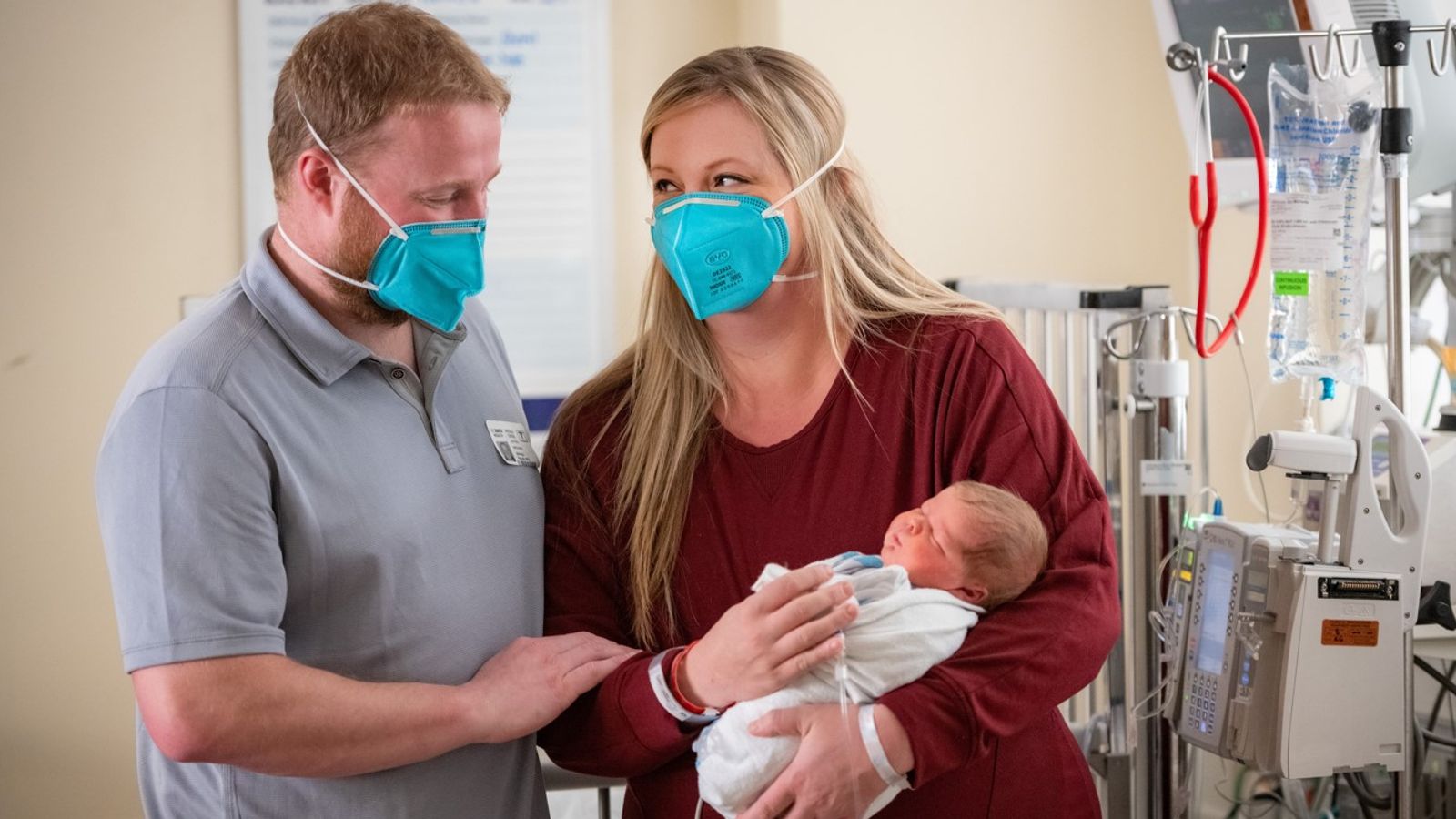
“He runs, he walks, he jumps, he is all over the place,” said Michelle Johnson, Tobi’s mother, in an interview with Sky News.
Tobi became the second child in a global trial led by the University of California Davis Children’s Hospital to receive this experimental treatment. The procedure involved creating a small abdominal incision at 25 weeks, applying a stem cell patch over the exposed spinal cord, and sealing the wound to promote tissue regeneration. All six participating infants were born healthy, with no adverse effects reported.
“He’s the second human to go through this surgery with stem cells. So there was a lot of uncertainty, a lot of unknowns,” remarked Jeff Maginnis, Tobi’s father. “We’re just blessed every day when we see how Tobi’s reacted and been affected by this very successful surgery.”
Medical Breakthrough
Dr. Diana Farmer, who spearheaded the trial, described the outcome as “nothing short of a miracle.” The team initially expected the first treated baby—a girl named Robbie—to have limited leg movement, but she surprised them by kicking and wiggle her toes at birth. “We’re just making sure there are no unexpected things from having stem cells in the spinal cord of a foetus,” she added, expressing cautious optimism.
Spina bifida occurs when spinal tissue fails to close properly in early pregnancy, leaving the cord vulnerable. While in-utero surgery is becoming more routine, previous studies showed only about half of affected babies could walk without assistance. The UC Davis team aims to improve these outcomes through stem cell therapy, launching a larger trial involving 35 expectant mothers.
With more data from long-term monitoring, the technique could reshape treatments for this condition. As the first child to benefit from this method, Tobi’s progress highlights the potential of early intervention in overcoming congenital spinal abnormalities.