
Hungary’s $82 million bank transit swoop deepens spat with Ukraine
Hungary’s $82 Million Bank Transit Operation Escalates Ukraine Dispute
On Friday, Hungarian authorities announced the arrest of seven Ukrainian nationals while they were transporting approximately $82 million in cash and gold, alleging involvement in money laundering. This incident follows Kyiv’s accusation that Budapest had detained bank workers as part of a broader conflict over oil supplies. The National Tax and Customs Administration (NAV) collaborated with counter-terrorism units to seize two armored vehicles, marking a significant intensification of the dispute.
Detainees and Financial Assets
The NAV disclosed that the seven individuals, including a former Ukrainian intelligence general, were apprehended on March 5, 2026, while moving $40 million, 35 million euros, and nine kilograms of gold from Austria to Ukraine. The operation targeted cash-in-transit vehicles, which were part of a routine logistics arrangement. It remains unclear whether the detained workers will be released or expelled, as highlighted by government spokesperson Zoltan Kovacs.
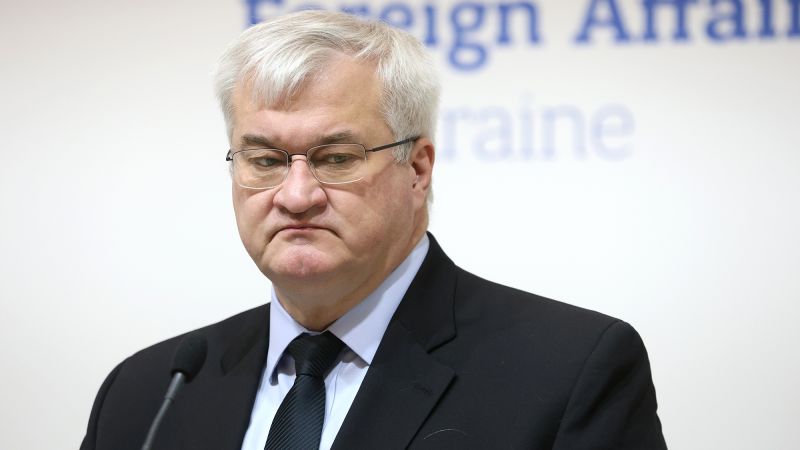
“In fact, we are talking about Hungary taking hostages and stealing money,” wrote Ukrainian Foreign Minister Andrii Sybiha on X, describing the situation as “state terrorism and racketeering.”
Ukraine’s ambassador to Hungary, Sandor Fegyir, attempted to visit the Counter-Terrorism Centre in Budapest to secure the detainees’ release, according to Reuters sources. Kyiv claims the arrested individuals were employees of Oschadbank, a Ukrainian savings bank, and asserts that Hungary is interfering in its domestic affairs through this act.
Meanwhile, Hungary and Slovakia accuse Ukraine of deliberately slowing oil deliveries via the Druzhba pipeline, which was damaged in a Russian drone strike on January 27. Kyiv denies the allegation, stating it requires time to repair the infrastructure. Hungarian Prime Minister Viktor Orban, facing a critical election on April 12, has framed the war in Ukraine as a key issue in his political strategy, while also vetoing EU sanctions on Moscow and a major loan for Kyiv.
“We have stopped diesel exports to Ukraine, we still maintain power exports, and we will halt transit shipments through Hungary until Ukraine approves the oil flows,” Orban stated during a state radio address, without mentioning the detention of the bank staff.
The European Union has indefinitely frozen Russian assets, enabling Hungary and Slovakia to redirect funds to Ukraine. Ukraine’s Foreign Ministry warned citizens against traveling to Hungary, citing potential risks due to “arbitrary actions” by local authorities. Oschadbank emphasized that its employees were conducting a standard operation under an international agreement with Raiffeisen Bank, Austria, with similar trips occurring weekly since the invasion began.
Raiffeisen International did not comment on the matter, citing banking secrecy protocols. This incident underscores the deepening rift between Hungary and Ukraine, with both sides accusing each other of using the crisis to advance political agendas.
