
‘We can’t take it anymore’: How Trump is pushing Cuba to the brink
‘We can’t take it anymore’: How Trump is pushing Cuba to the brink
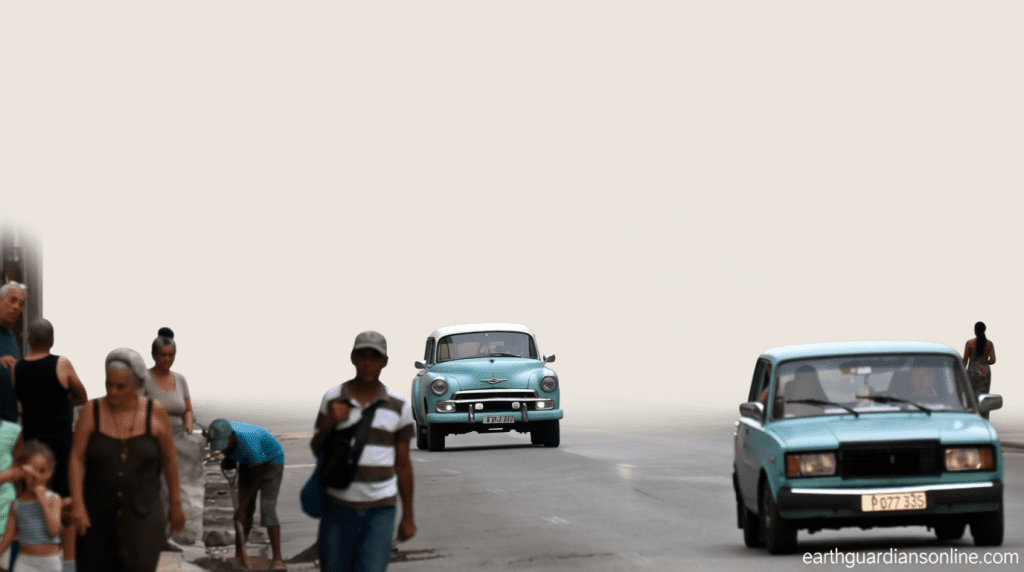
In the heart of Havana, a man approached me on a bustling street, his voice a hushed murmur. “Let the Americans arrive, let Trump arrive, it’s time to end this,” he said, as if revealing a closely guarded truth. This sentiment is perilous in Cuba, where the specter of U.S. presidential pressure looms larger than ever since the Cold War era. I glanced around, wary of potential eavesdroppers, and checked if my cameraman—filming a segment on the transportation shortfall—was nearby to capture his words. The man, a bicycle-taxi operator, continued: “People can no longer sustain their households.”
The Enduring Struggle
For over six decades, since Fidel Castro’s revolutionaries seized Havana and reshaped history, the island has weathered persistent challenges: botched CIA interventions, nuclear standoffs, and mass departures. Now, Donald Trump’s administration has intensified these pressures, threatening Cuba in a manner unseen since the 1960s. During a recent interview with CNN’s Dana Bash, Trump declared, “Cuba is set to collapse soon,” a claim that resonates differently in the current context, where his embargoes have crippled the nation’s already fragile economy with surgical precision.
Striking the Economy
Unlike the 1962 missile crisis, which restricted maritime access, Trump’s measures have no naval blockade—yet their impact is equally severe. Following the U.S. intervention in Venezuela and sustained pressure on Mexico, Havana’s remaining allies have halted oil deliveries. This has left many government-funded hotels standing vacant, their doors closed. Staff have been laid off, and tourists, once a vital lifeline, have disappeared. The absence of jet fuel means no flights to carry them away, plunging the island into a deeper economic freeze.
Life in the Shadows
Blackouts, which used to last hours, now stretch for days. When power flickers on briefly at night, Cubans scramble to prepare meals and iron clothes. During a recent 36-hour outage, a group of men cooked a simmering pot using burning branches on a Havana sidewalk. “We’ve regressed to the Stone Age,” one man remarked, his tone oddly buoyant. With fuel scarce, only government-leased T-Plate vehicles remain on the roads, their tanks siphoned for resale on the black market. A single tank costs more than $300—surpassing the annual income of most Cubans.
The Cuban Resolve
Despite the hardships, the Cuban government insists it remains steadfast. “Cuba is not alone,” they proclaim, yet the island feels increasingly isolated, reminiscent of the Soviet Union’s collapse. Officials dispute Trump’s assertion that they seek a deal, stating the U.S. will never again dictate terms to their nation. Still, many Cubans are weary, yearning for change—whatever form it may take. When my cameraman returned, I asked the taxi driver if he wished to share his thoughts. He hurried away, reluctant to voice his frustrations above a whisper, at least for now.
