
Iran escalates attacks on infrastructure and transport networks across the Gulf
Iran Escalates Attacks on Gulf Infrastructure and Transport
On Wednesday, Iran intensified its assaults on civilian infrastructure and transportation systems across the Gulf, launching strikes on commercial vessels and hitting Dubai’s international airport. These actions coincided with continued operations by US and Israeli warplanes, which targeted key sites within Iran. Senior officials in Tehran vowed a prolonged “war of attrition,” warning that sustained attacks could disrupt global energy flows and trigger economic instability.
Regional Conflict Enters New Phase
The 12-day conflict has entered a deadlock, with Israeli air strikes focused on Hezbollah-linked positions in Lebanon and Iranian-backed missile barrages hitting Israeli territory. The UN refugee agency reported over 759,000 internally displaced individuals in Lebanon and more than 92,000 fleeing to Syria. Meanwhile, Kuwait confirmed its air defenses shot down eight Iranian drones, while Saudi Arabia intercepted five heading toward its Shaybah oil field.
“I have heard that he was injured in his legs and hand and arm … I think he is in the hospital because he is injured,” said Tehran’s ambassador to Cyprus, Alireza Salarian, in a statement to the Guardian.
Leadership Loss and Resilience
In Iranian cities, mourners gathered for the funerals of military leaders killed in recent strikes, carrying flags and portraits of Ayatollah Ali Khamenei, the supreme leader, and his son Mojtaba. Iranian officials revealed for the first time that the new leader sustained injuries during the initial US-Israeli onslaught, which also claimed his mother, wife, and a son. The 56-year-old has remained absent from public view since the conflict began.
Global Economic Fears Intensify
World leaders expressed concerns over rising oil prices, fearing potential upheaval in global markets. Despite calls for restraint, US and Israeli officials showed no signs of halting their operations. Israel’s defense minister, Israel Katz, declared the campaign would continue “without any time limit” until all objectives were met. Meanwhile, President Donald Trump oscillated between describing the war as a “short-term excursion” and asserting that “we haven’t won enough,” according to remarks in Washington.
Oil Supplies Under Threat
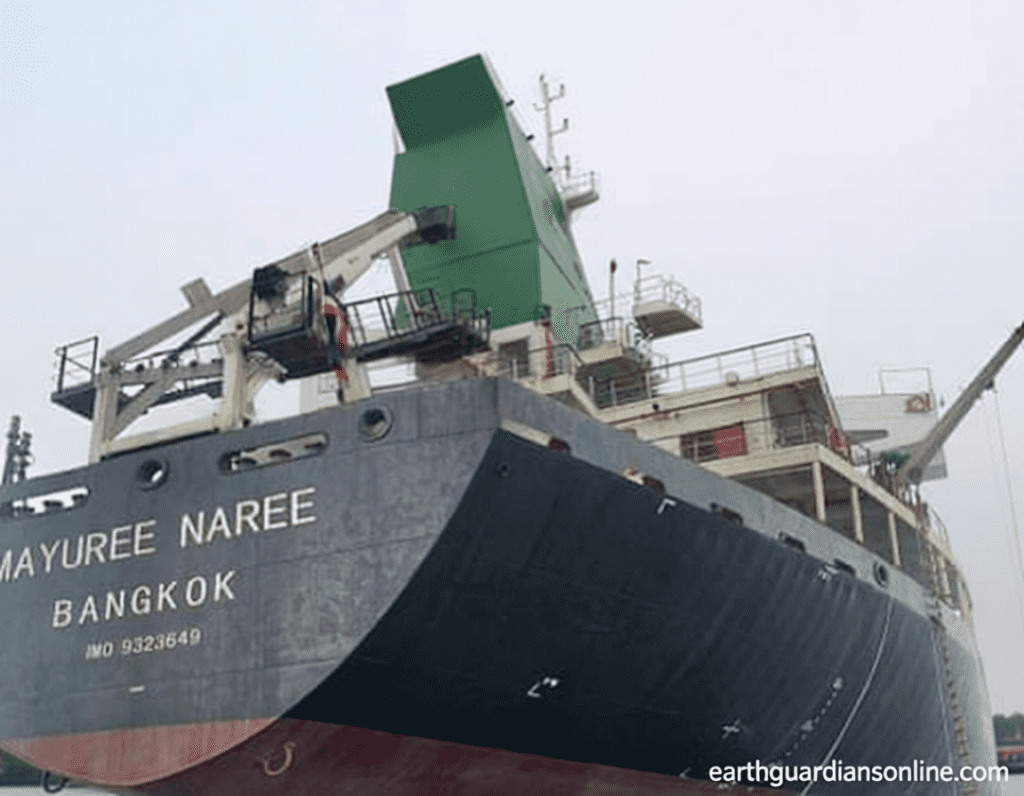
Trump claimed that oil tankers navigating the Strait of Hormuz would soon experience “great safety,” though no specifics were provided. However, the strait remains a critical battleground, with 14 ships reportedly damaged since the war began. Three vessels were struck on Wednesday, including a Thai-flagged freighter where crew were evacuated after an explosion. The International Energy Agency recommended releasing 400 million barrels of oil to stabilize prices, but the region’s energy networks remain vulnerable to disruption.
Hundreds of tankers are now blocked near Iran’s southern coast, fearing further attacks that could rekindle the energy crisis seen in the 1970s. The Iranian Revolutionary Guards insisted that the waterway would stay closed until the US and Israel ceased their bombing efforts.
